









최신 글
4,483개정렬
 1:37:31EN
 Lex Fridman· 2020년 7월 14일팟캐스트 · 2명The Robot That Brought the Beer Was Being Teleoperated게스트 Sergey Levine · 진행자 Lex FridmanSergey Levine tells Lex Fridman why hardware is almost closed, why common sense has to be lived, and why offline reinforcement learning is the missing on-ramp from logs to robots that keep getting better.
 6:04EN
 Jane Street· 2020년 7월 14일Finals Week and the Expected Number of Snowboards UsedSawyer · Jane StreetSawyer poses a new exam-scheduling puzzle and uses indicator variables in two ways to solve the previous snowboard problem.
 6:16ENJane Street· 2020년 7월 10일Indicator Variables: Marching Bands and SnowboardsSawyer · Jane StreetSawyer uses linearity of expectation to count in-step rows, then poses a six-snowboard challenge.
 1:09:14ENLex Fridman· 2020년 7월 8일팟캐스트 · 2명Suffering Is a State You'd Rather Not Be In — Peter Singer on Animals, Robots, and Us게스트 Peter Singer · 진행자 Lex FridmanOn Lex Fridman's podcast, the Princeton bioethicist defines suffering, extends it from factory farms to possible machine minds, and still puts extreme poverty first.
 9:40ENJane Street· 2020년 7월 7일Real Numbers: A Marching Band Challenge, Expected Damage, and Bayes’ RuleSawyer · Jane StreetSawyer introduces a marching-band expected-value puzzle and uses linearity and Bayesian updating to solve a monster-attack problem.
 10:08ENJane Street· 2020년 7월 3일Expected Damage and a Golden-Ratio Window PuzzleSawyer · Jane StreetSawyer introduces expected value with an unknown video-game monster, then uses geometry to solve a painting-through-a-window problem.
 2:00:32ENLex Fridman· 2020년 7월 3일팟캐스트 · 2명Slow Synapses Grow Fast Learners — Warmth Is the Harder Problem게스트 Matt Botvinick · 진행자 Lex FridmanDeepMind neuroscience director Matt Botvinick tells Lex Fridman how prefrontal cortex, meta-reinforcement learning, and dopamine research meet the human question of what a better life with AI would actually look like.
 45:31ENLex Fridman· 2020년 7월 1일팟캐스트You Are Your Own Existence Proof: Karl Friston on Free Energy, Life, and Self-Awareness진행자 Lex FridmanKarl Friston explains how the free energy principle reframes existence, life, planning, and self-awareness as inference problems.
 7:55ENJane Street· 2020년 6월 30일The Art Thief’s Window and a Toy Boat’s Return JourneySawyer · Jane StreetSawyer poses a geometric window puzzle and solves the previous episode’s river-crossing problem in two ways.
 1:02:14ENLex Fridman· 2020년 6월 30일팟캐스트 · 2명The 28-year wait: Robert Langer on rejection, polymers, and a thousand students게스트 Robert Langer · 진행자 Lex FridmanThe MIT bioengineer talks with Lex Fridman about drug delivery, tissue engineering, patents, and the long path from a Folkman hypothesis to Avastin.
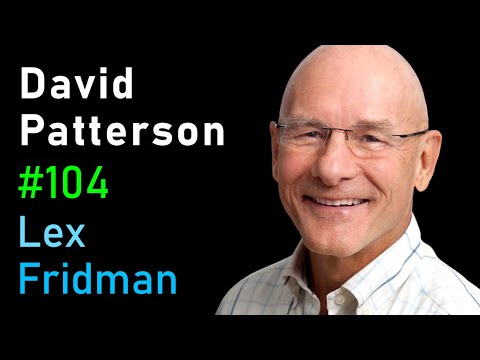 1:49:51ENLex Fridman· 2020년 6월 27일팟캐스트 · 2명The Idea Once Called a Devolution Now Powers Almost Every New Chip게스트 David Patterson · 진행자 Lex FridmanTuring Award winner David Patterson talks with Lex Fridman about RISC, RAID, Moore's Law, open hardware, and why chips without a software stack die.
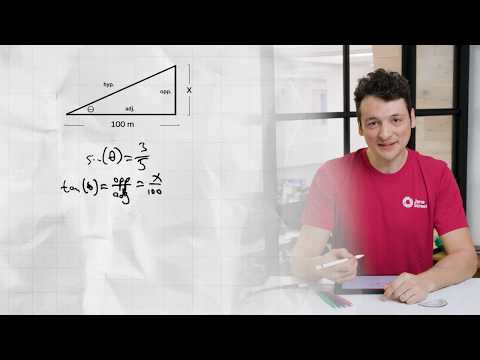 5:38ENJane Street· 2020년 6월 26일Wavey’s Return: Solving a River-Crossing PuzzleSawyer · Jane StreetSawyer solves the first toy-boat crossing with a 5:3 speed ratio, then asks how the answer changes when the return journey starts 60 meters downstream.
 6:37ENJane Street· 2020년 6월 23일Crossing the River: A Toy Boat Puzzle and a Snow-Cone SolutionSawyer · Jane StreetA toy boat drifts downstream in a steady current. Sawyer poses a navigation puzzle and solves the previous episode’s cone-and-hemisphere problem.
 4:08:58ENLex Fridman· 2020년 6월 22일팟캐스트 · 2명The Man Who Named AGI Wants Superintelligence Raised on Compassion게스트 Ben Goertzel · 진행자 Lex FridmanLex Fridman talks with Ben Goertzel for four hours about OpenCog, Sophia, SingularityNET, and why a bigger neural net is not a mind.
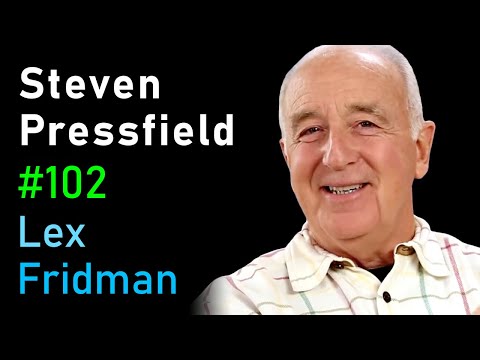 1:27:29ENLex Fridman· 2020년 6월 20일팟캐스트 · 2명Resistance Is How You Know the Work Matters게스트 Steven Pressfield · 진행자 Lex FridmanSteven Pressfield tells Lex Fridman why he writes about Spartans and Alexander — and why the battle that counts is the one against his own ego.
 3:35ENJane Street· 2020년 6월 19일Snow Cones and Spheres: A Volume Solution and a New Geometry PuzzleSawyer · Jane StreetSawyer derives the height of a cone with the same volume as a hemisphere, then asks how to reshape the ice with minimal movement.
 5:39ENJane Street· 2020년 6월 16일A Snow Cone Geometry Puzzle and a Piggy Bank ProbabilitySawyer · Jane StreetSawyer poses a cone-design challenge and solves a conditional probability problem in two ways.
 3:00:18ENLex Fridman· 2020년 6월 13일팟캐스트 · 2명Only a Simulation Can Be Conscious게스트 Joscha Bach · 진행자 Lex FridmanJoscha Bach tells Lex Fridman why a neuron cannot feel anything, why existence is the default, and why this dying world is still the best level of the game.
 7:03ENJane Street· 2020년 6월 12일Grandma’s Secret College Fund: A Bayes’ Theorem PuzzleSawyer · Jane StreetA random $20 bill reveals information about a hidden deposit. Sawyer poses the new puzzle and solves a DMV probability problem three ways.
 7:23ENJane Street· 2020년 6월 9일Bayes' Theorem and a Driver's Test Probability PuzzleSawyer · Jane StreetSawyer derives Bayes' theorem, poses a question about test-takers who studied, and solves an earlier card-game probability puzzle.
 8:03ENJane Street· 2020년 6월 6일Real Numbers: A Taxi Challenge and Two Ways to Calculate a Sleep ProbabilitySawyer · Jane StreetSawyer poses a consecutive-taxi puzzle and solves a five-night dog-sitting problem with a probability table and a counting argument.
 6:50ENJane Street· 2020년 6월 6일The Perils of Dogsitting: A Probability Warm-UpSawyer · Jane StreetSawyer introduces a five-night dogsitting puzzle and reviews independence, overlapping events and complements with coins and dice.
 7:15ENJane Street· 2020년 6월 6일A Balanced Game of War and the Probability of Three TaxisSawyer · Jane StreetSawyer introduces conditional probability through a card-game challenge, then solves an earlier six-car puzzle in two ways.
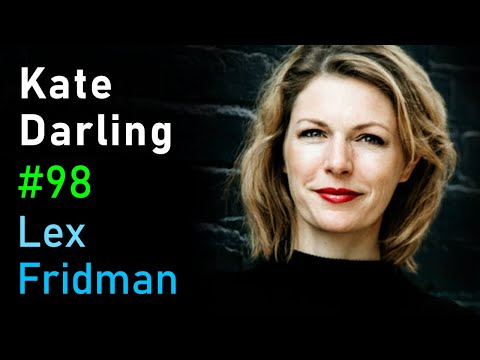 1:12:36ENLex Fridman· 2020년 6월 5일팟캐스트 · 2명Kate Darling on Why We Name the Roomba and Mourn the Bomb Robot게스트 Kate Darling · 진행자 Lex FridmanAn MIT Media Lab researcher argues that our feelings about machines track the history of animal domestication — and that design can steer that instinct for better or worse.
더 보기4,483개 중 24개 표시