30 秒でわかる
Matthew Berman reacts to Node.js creator Ryan Dahl's statement that the era of humans writing code is over. Berman predicts that cheaper code generation will expand software demand and change developer work, while acknowledging uncertainty about new jobs. These are predictions, not proof that manual programming has ended or employment will rise.
- 1A prediction about codingBerman cites Ryan Dahl's claim about the end of humans writing code; the claim is a prediction rather than a demonstrated universal fact.
- 2Systems thinkingBerman believes programming judgment and the ability to direct agents will become more important.
- 3Demand and uncertaintyHe invokes Jevons paradox to argue cheaper code may increase demand, while the actual impact on jobs remains uncertain.
ポイント
- Dahl predicts that directly writing syntax will become less central to software engineering.
- Berman argues that system design and directing agents will remain valuable.
- Cheaper production can stimulate demand, but the effect on total software employment is not automatic.
チャプターごとに整えた全文を読む
Dahl's prediction
Berman introduces the Node.js creator's view of manually writing code.
Matthew Berman cites Node.js creator Ryan Dahl's prediction that the era of people directly writing code is over. Berman says other programmers have voiced similar views. This is a forecast about how software work may change, not evidence that people have already stopped writing code.
Programming beyond syntax
He emphasizes systems thinking and directing agents.
Berman argues that programming as systems thinking remains important even if agents produce more syntax. He expects experienced engineers to direct agents and build more, while less experienced developers and people without coding backgrounds gain new ways to turn ideas into software. The quality of generated code still requires evaluation.
Demand and new work
Berman predicts cheaper software will create demand and possibly new occupations.
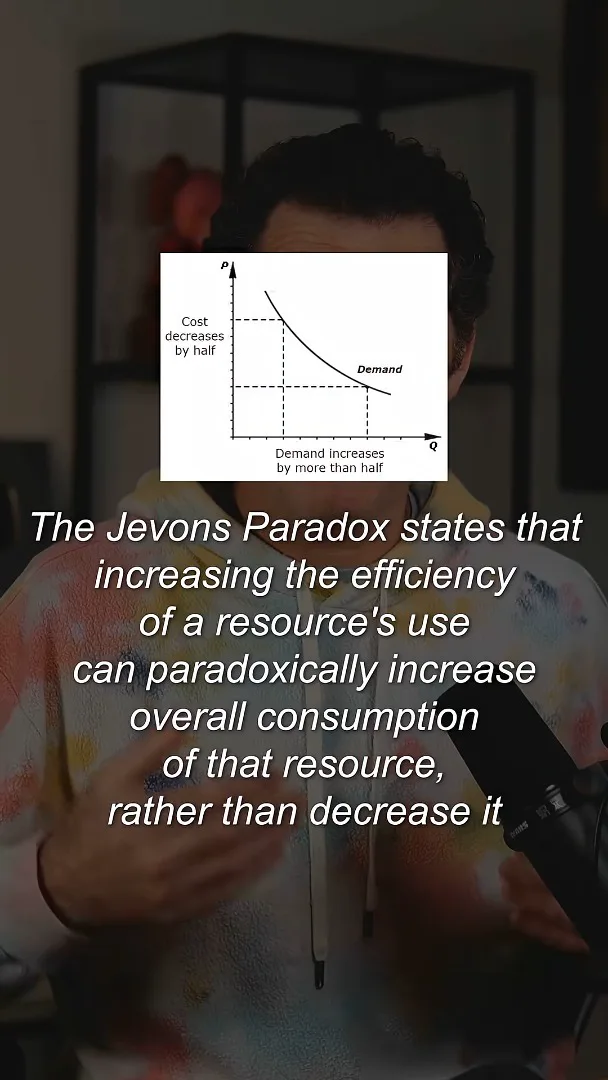
He invokes Jevons paradox: lower cost and greater efficiency can encourage more use, potentially offsetting savings. More demand for software is plausible but not guaranteed, and it does not establish what will happen to developer jobs or wages. Berman expects new kinds of work to emerge, while conceding that their nature is not yet known; the clip cuts off during his final example.
同じチャンネルの記事
 25:50EN
 32:20EN
 1:03:37EN
 0:53EN
 0:22EN
 45:08EN