In 30 seconds
Matthew Berman rapidly lists AI products and model families by use case, from ChatGPT and Claude to image generation, world models, coding agents and audio. His comparisons are personal shorthand, not results of a controlled evaluation. The list reflects March 2026 and mixes models with applications and platforms. Availability, integrations and licenses vary; released weights do not necessarily make a model fully open source. No sponsor is identified in the short.
- 1Chat assistantsBerman summarizes ChatGPT, Claude and Gemini using his own quick judgments about their strengths and integrations.
- 2Open-weight familiesHe lists Llama, DeepSeek, MiniMax, Qwen, gpt-oss, NeMo-Megatron and Gemma; access and licensing vary by release.
- 3Image, video and worldsHe names image and video tools and examples of world models, which address different kinds of generation and simulation.
- 4Coding and audioThe final list includes coding agents such as Cursor and Claude Code, and audio products such as ElevenLabs and Suno.
Takeaways
- Chat assistants combine capabilities such as writing, coding, search, media and integrations, with strengths depending on the task and version.
- Model families with available weights have different licenses and disclosure practices, so their terms should be checked individually.
- Image generation, video generation and interactive world generation are related but distinct categories.
- Coding agents and audio products are applications or services, not necessarily standalone models.
Read the edited text by chapter
Assistants and model families
Berman offers quick impressions of chat products and lists model families with available weights. The products and licenses differ.
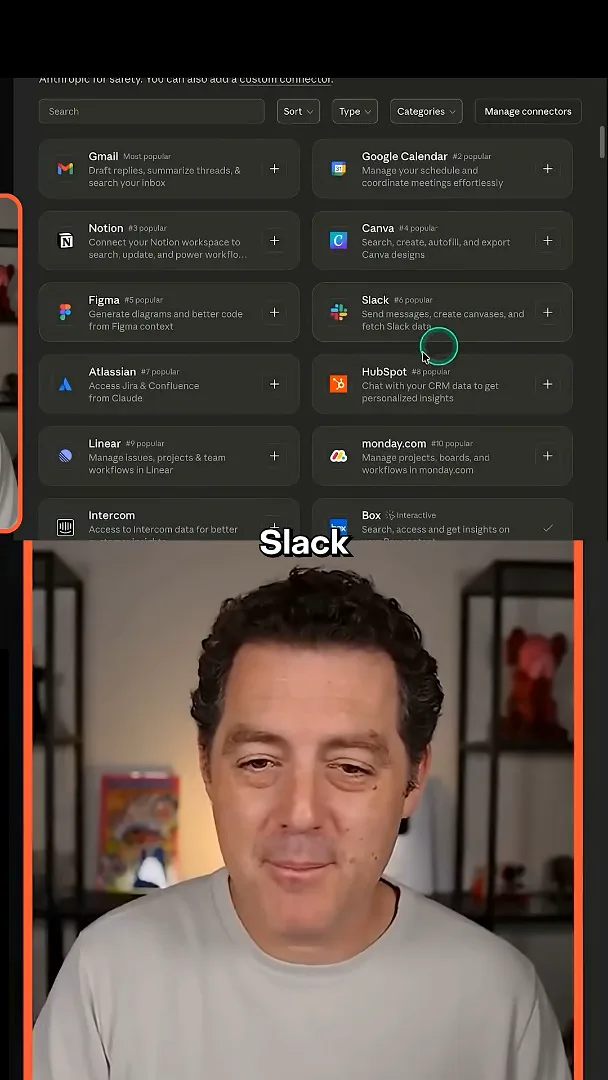
I start with ChatGPT for writing, coding and image generation, then Claude for coding and writing, with connectors to tools such as Notion, Figma, Slack and HubSpot. I describe Claude as better at some tasks; that is my judgment, not a measured ranking, and integrations depend on the product and configuration.
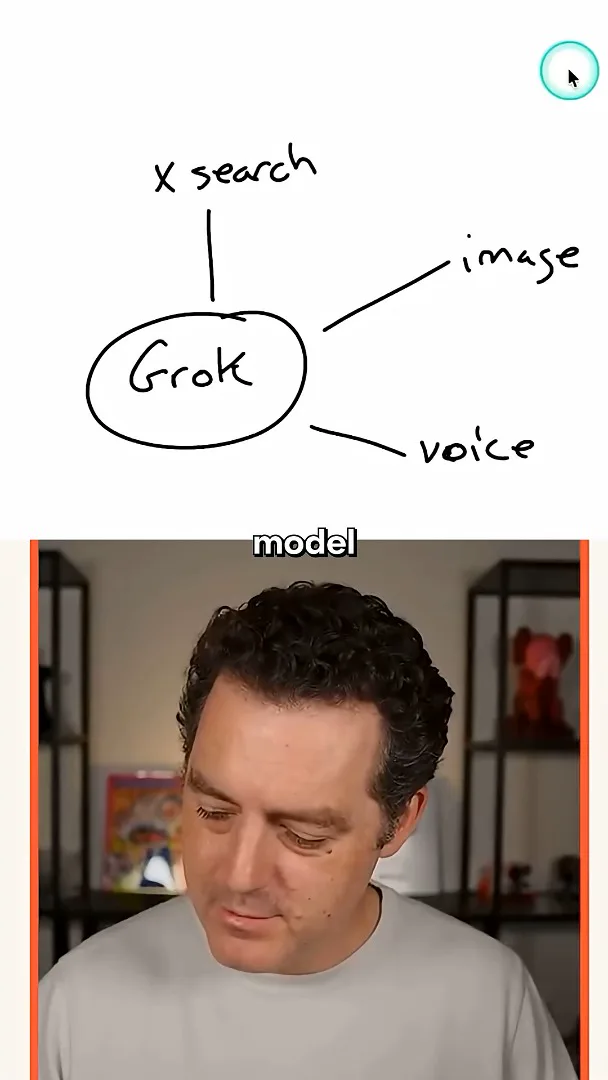
I describe Gemini as fast, able to take in video and generate images, and strong at integrations and search. I also mention Perplexity for search; the accompanying diagram shows Grok with X search, image and voice. These are brief impressions from March 2026, not a current feature comparison.
For models I call open source, I list Meta's Llama, DeepSeek, MiniMax, Qwen, OpenAI's gpt-oss, NVIDIA's NeMo-Megatron and Google's Gemma. Open weights and fully open-source training are different things, and individual releases carry different terms. For example, OpenAI describes [gpt-oss](https://help.openai.com/en/articles/11870455-openai-open-weight-models) as open-weight under Apache 2.0.
Media, worlds and agents
He names examples for image, video and world generation, then coding and audio tools. It is a quick orientation rather than a comparative test.
For image generation I name Midjourney, DALL-E, Stable Diffusion, Flux and Ideogram. For video I list Sora 2, Veo 3, Gen-4 and Kling. These are examples rather than an exhaustive list or a test of the current best model.

For world models I mention Genie 2, Marble, full self-driving and Cosmos. These represent different approaches and products: for example, World Labs describes [Marble](https://www.worldlabs.ai/blog/marble-world-model) as a multimodal world model, while full self-driving is a driving system rather than a single named world model.
For coding, I list Cursor, Claude Code, Codex, Devin and Factory. For audio, I name ElevenLabs, Voicemod, Suno and Udio. These names include applications and services as well as underlying models; the short is an orientation, not a demonstration that each is best for every use.
More from this channel
 34:21EN
 Matthew Berman· Oct 27, 2026Matthew Berman Examines Anthropic’s IPO Filing, AI Growth and GovernanceMatthew Berman, Sam Altman · Forward FutureThe presenter reviews the S-1’s financial metrics, compute strategy and voting structure while questioning the tension between rapid AI development and safety.
 0:26ENMatthew Berman· Oct 25, 2026Sam Altman on Human Values and Problem-Solving in an AI WorldSam Altman · OpenAIIn a short interview excerpt, Altman considers the enjoyment of solving hard problems and the human role in interpreting results.
 0:36ENMatthew Berman· Oct 25, 2026Kimi K3.1 and a Rubik’s Cube Solver DemonstrationMatthew Berman · Forward FutureMatthew Berman shows a scrambled virtual cube being solved and gives the Kimi K3.1 test a favorable assessment.
 0:21ENMatthew Berman· Oct 24, 2026An AI-Generated Kimi Benchmark Chart Used Invented ScoresMatthew Berman · Forward FutureMatthew Berman asks for a graph of Kimi K3.1 Pro benchmarks, then discovers that the displayed figures are illustrative placeholders.
 25:50ENMatthew Berman· Oct 24, 2026Kimi K3.1 Pro Tested: Strong 3D Demos, Uneven Results and Competitive PricingMatthew Berman · Forward FutureMatthew Berman tests the open-weight model on coding, 3D rendering and visual explanations, then compares benchmark results and prices.
 32:20ENMatthew Berman· Oct 23, 2026Who Is Local AI For? The Costs, Trade-offs and a Hybrid FutureMatthew Berman · Forward FutureMatthew Berman weighs data control and independence against hardware cost, setup complexity and inference speed.