In 30 seconds
Matthew Berman reviews the SDXL 0.9 preview using Stability AI examples and hands-on Clipdrop generations, then compares selected images with Midjourney. He likes the visual detail and demonstrates relighting. The free-tier figures and hardware guidance are historical; SDXL 0.9’s research license also restricted use, despite the video’s broad open-source characterization.
- 1Beta versus 0.9Selected example pairs show more detail in the newer model, including an alien, a wolf and a hand holding coffee.
- 2Editing and architectureBerman discusses image-to-image, inpainting and outpainting, plus the base and ensemble parameter counts reported by Stability AI.
- 3Hardware and licensingThe 2023 hardware guidance distinguishes system RAM and GPU memory. Version 0.9 had a research-only license rather than unrestricted open use.
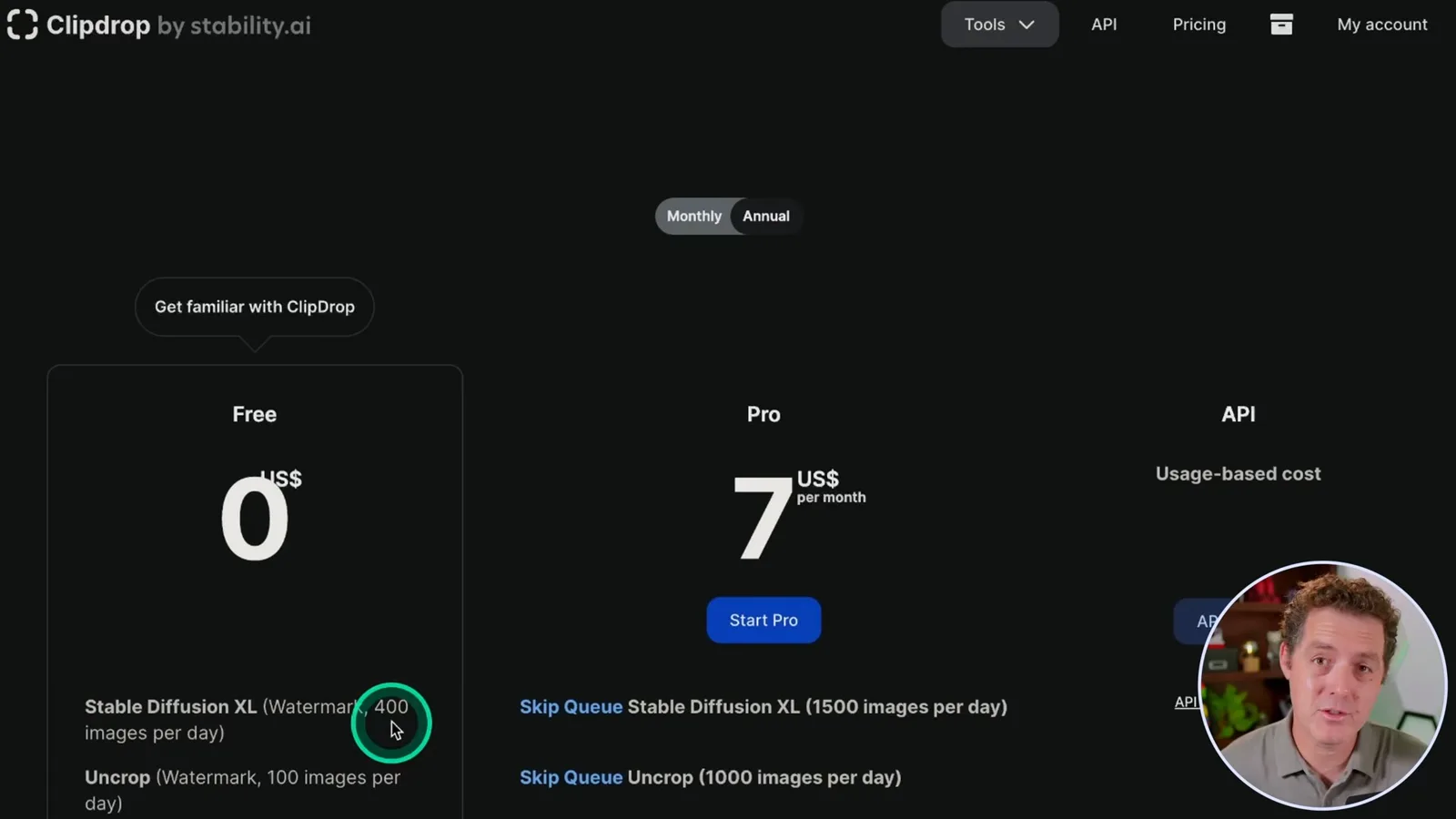
- 4Historical Clipdrop planThe video shows a free plan with a watermarked 400-image daily limit; quotas and pricing may have changed.
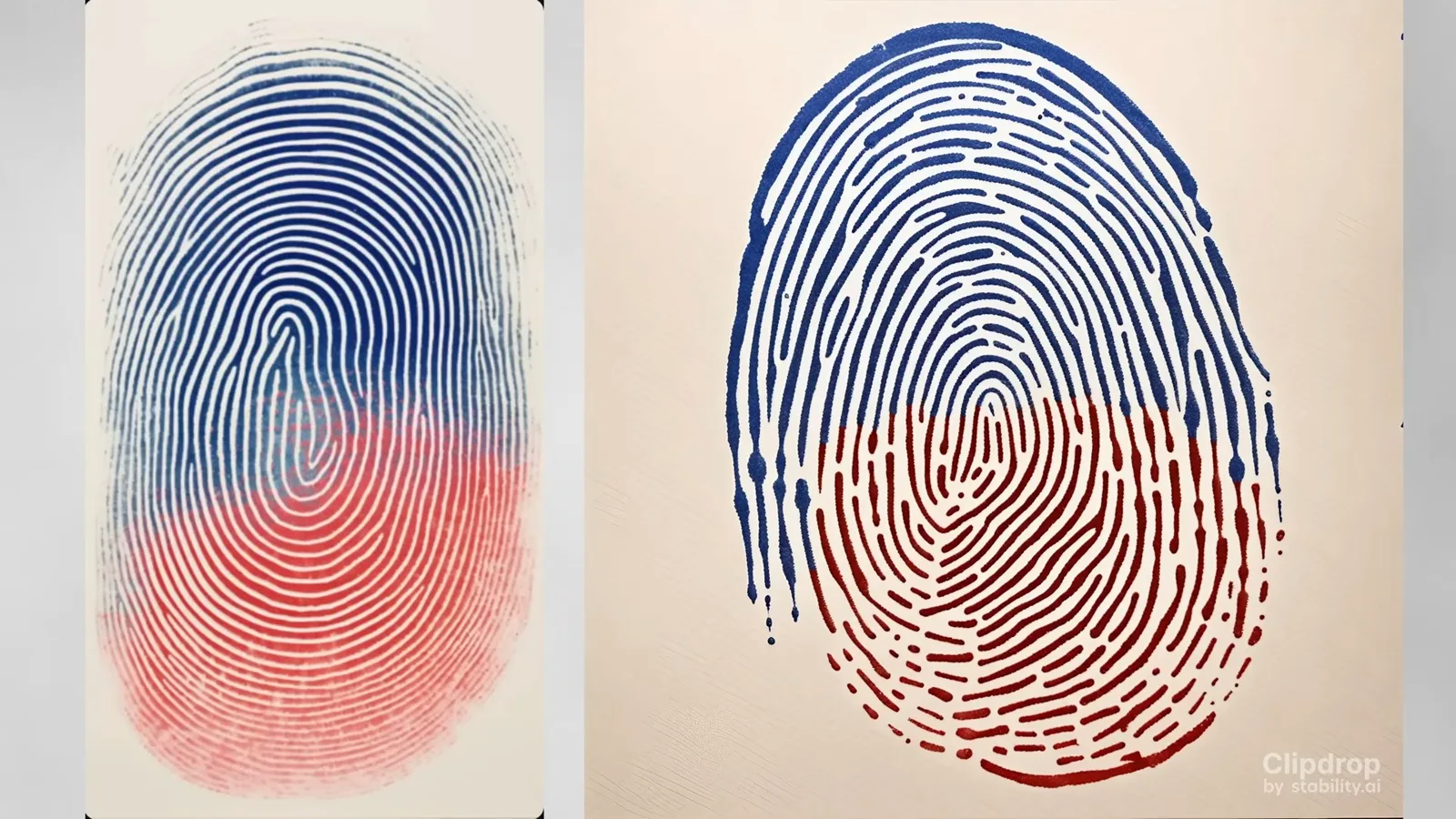
- 5Prompt comparisonsBerman compares a few generated artworks, fingerprints and a lion with Midjourney examples, offering personal judgments rather than a controlled benchmark.
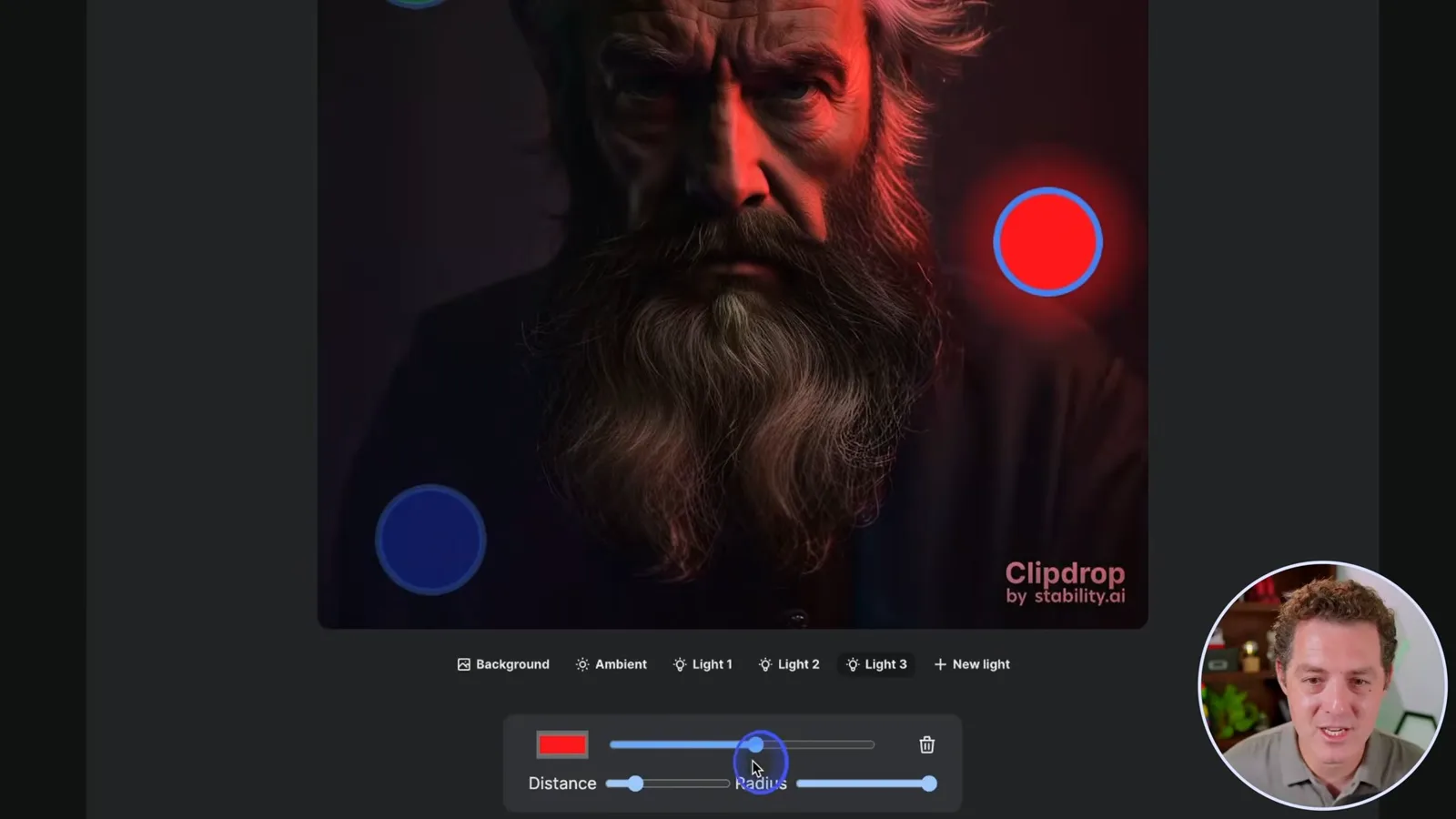
- 6Relighting demoHe moves colored lights around a generated portrait and adjusts their intensity, radius and distance.
Takeaways
- SDXL 0.9 produced notably different results from its earlier beta in Stability AI’s selected examples.
- Berman’s small, subjective prompt comparisons do not establish equal quality across models or solve image-generation errors.
- The 0.9 research license permitted non-commercial research under specified terms; published code and model-weight permissions should not be conflated.
- The video’s Clipdrop 400-images-per-day free allowance and other prices reflect June 2023, not a current offer.
- Clipdrop’s relighting tool lets users move colored lights and adjust intensity, radius and distance.
Read the edited text by chapter
What changed in SDXL 0.9
Berman examines Stability AI’s side-by-side examples and describes editing capabilities and model architecture. He finds the newer images more detailed.
In June 2023, I take a look at Stability AI’s SDXL 0.9 preview and compare a few of its outputs with Midjourney. I am impressed by the apparent detail and composition, though my selections and judgments are informal rather than a controlled test.
Stability AI describes 0.9 as an improvement over its April beta. The company shows the same prompts side by side: an alien scene has more detail and color in the newer example, and a wolf in Yosemite looks sharper to me, down to its fur and eyes. These are selected demonstrations, not a measurement of typical performance.

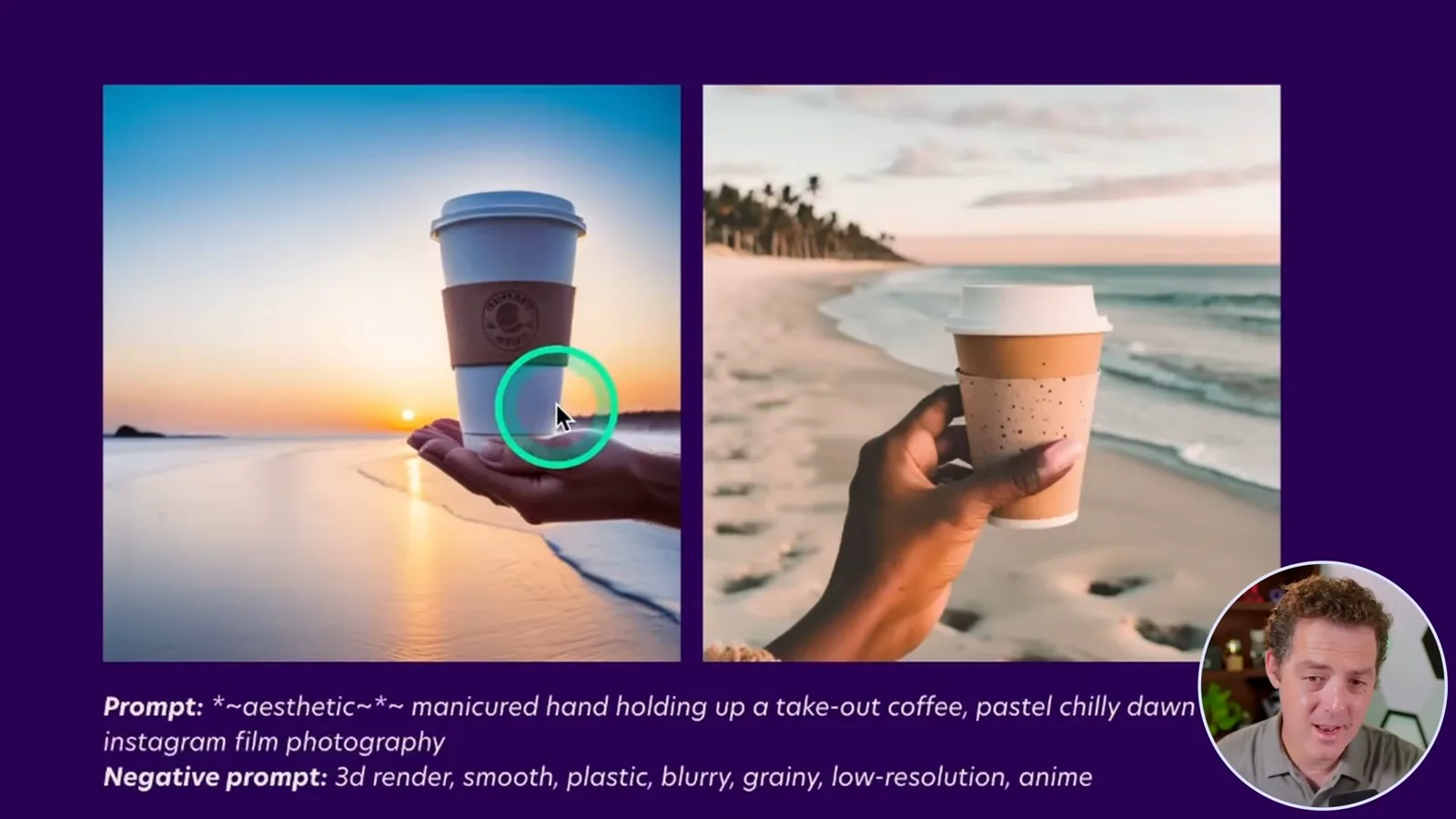
Another comparison shows a hand holding takeaway coffee. I point out extra fingers in the earlier result and praise the newer example. A good-looking hand in one image does not mean either SDXL or Midjourney has solved hand anatomy for all prompts.
I discuss the SDXL family’s image-to-image prompting, inpainting to replace portions of an image and outpainting to extend its boundaries. Availability depends on the particular implementation and service; not every feature is demonstrated as part of the base model itself.
Stability AI reports a 3.5-billion-parameter base model and a 6.6-billion-parameter ensemble pipeline, compared with 3.1 billion for the beta. It describes two text encoders and a base-and-refiner approach, with output up to 1024 × 1024. Parameter counts alone do not establish output quality ([Stability AI](https://stability.ai/news-updates/sdxl-09-stable-diffusion)).
Hardware, access and pricing
The video discusses historical hardware requirements, research access and the expected 1.0 release. It then shows the Clipdrop plans available at the time.
The 2023 guidance I read lists Windows 10 or 11 or Linux, 16 GB of system RAM and an Nvidia RTX 20-series GPU with 8 GB of VRAM. These are historical vendor recommendations, not a promise that every configuration or workflow will run identically; optimizations and model options can change memory requirements.
At the time, SDXL 0.9 was available through Clipdrop and the Stability API, with research access ahead of a planned 1.0 release. Although I call it open source, access to the 0.9 weights had specific limits: the [SDXL 0.9 Research License](https://huggingface.co/stabilityai/stable-diffusion-xl-base-0.9) grants use for non-commercial research subject to its terms. Availability of code does not automatically make those weights unrestricted.
Clipdrop displays examples across anime, realistic and stylized imagery. I consider several comparable in appearance to Midjourney. The page in the video shows a free tier with 400 watermarked SDXL images per day and a paid option; those quotas, watermarks and prices describe June 2023 and should not be assumed current.
Comparing prompts with Midjourney
Berman tries surreal art, fingerprints and a lion. These are subjective examples rather than a systematic quality evaluation.
For an informal comparison, I take a surreal “pill head” prompt from Midjourney and try it in Clipdrop. The images differ, as expected from different models and generation conditions. I find the results artistic, but a handful of selected outputs cannot establish which model is generally better.
I next try a fingerprint prompt. The first results are black and white, so I add blue and red to better match the example I am comparing. I like the new images and show one next to the Midjourney result; changing a prompt is useful experimentation, but it also means the comparison is not a fixed-condition benchmark.
For a lion prompt, an initial result looks more artistic than the realism I wanted. A subsequent set gives me the detailed, realistic appearance I was looking for. Different generations can vary even when the general subject is the same.
Relighting and conclusion
He demonstrates adjusting virtual colored lights on a portrait. He closes with enthusiasm about the model and local generation.
Clipdrop also offers tools such as background removal, cleanup, relighting, upscaling and uncropping. I demonstrate Relight on a generated portrait: I move red, blue and green lights, change their intensity, radius and distance, and watch shadows and illumination update before downloading the image.
I am excited by the apparent progress and the prospect of running models locally. Local generation avoids a hosted daily quota but still depends on hardware, software and applicable license terms; it is not literally without resource limits. My enthusiasm for the comparison reflects these examples, not an exhaustive evaluation.
More from this channel
 34:21EN
 Matthew Berman· Oct 27, 2026Matthew Berman Examines Anthropic’s IPO Filing, AI Growth and GovernanceMatthew Berman, Sam Altman · Forward FutureThe presenter reviews the S-1’s financial metrics, compute strategy and voting structure while questioning the tension between rapid AI development and safety.
 0:26ENMatthew Berman· Oct 25, 2026Sam Altman on Human Values and Problem-Solving in an AI WorldSam Altman · OpenAIIn a short interview excerpt, Altman considers the enjoyment of solving hard problems and the human role in interpreting results.
 0:36ENMatthew Berman· Oct 25, 2026Kimi K3.1 and a Rubik’s Cube Solver DemonstrationMatthew Berman · Forward FutureMatthew Berman shows a scrambled virtual cube being solved and gives the Kimi K3.1 test a favorable assessment.
 0:21ENMatthew Berman· Oct 24, 2026An AI-Generated Kimi Benchmark Chart Used Invented ScoresMatthew Berman · Forward FutureMatthew Berman asks for a graph of Kimi K3.1 Pro benchmarks, then discovers that the displayed figures are illustrative placeholders.
 25:50ENMatthew Berman· Oct 24, 2026Kimi K3.1 Pro Tested: Strong 3D Demos, Uneven Results and Competitive PricingMatthew Berman · Forward FutureMatthew Berman tests the open-weight model on coding, 3D rendering and visual explanations, then compares benchmark results and prices.
 32:20ENMatthew Berman· Oct 23, 2026Who Is Local AI For? The Costs, Trade-offs and a Hybrid FutureMatthew Berman · Forward FutureMatthew Berman weighs data control and independence against hardware cost, setup complexity and inference speed.