In 30 seconds
In this short demonstration, Matthew Berman asks Mistral Large 4 to build a Rubik’s Cube simulation. The first version looks convincing but does not scramble; a revised version rotates its sides while losing colors. He suspects an interaction between the model and its harness, though the clip does not establish the cause.
- 1A cube that looks rightThe generated cube can be spun and looks convincing, but the scramble button does nothing.
- 2An imperfect revisionAfter another iteration, the sides rotate but colors disappear.
- 3An uncertain causeBerman suspects the interaction of the model and harness rather than attributing the result solely to the model.
Takeaways
- A convincing visual appearance does not establish that interactive controls work.
- The first simulation did not respond to the scramble control in this test.
- After revision, cube sides rotated but colors disappeared.
- Berman suspects the model–harness interaction, but the short demonstration does not isolate the fault.
Read the edited text by chapter
The first simulation
Berman tests a generated Rubik’s Cube. Its appearance is good, but scrambling does not work.
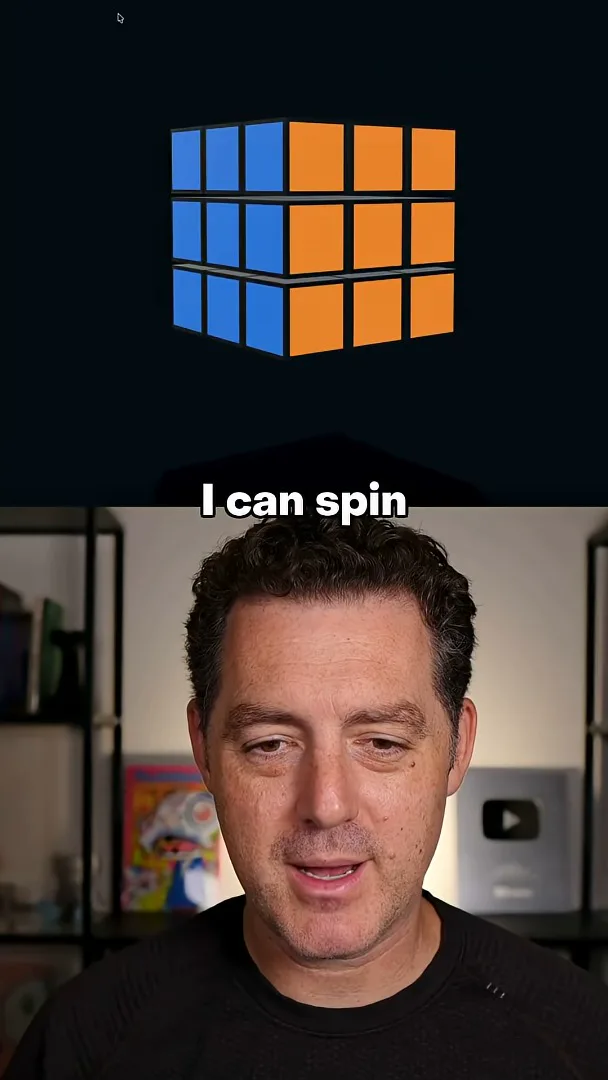
I consider this a failure. I gave Mistral Large 4 my standard prompt to build a Rubik’s Cube simulation. The cube looks good and I can spin it, but clicking scramble does nothing. A convincing appearance is not enough if the controls do not work.
Iteration and diagnosis
The revised cube rotates but loses colors. He offers a tentative explanation involving the model and harness.
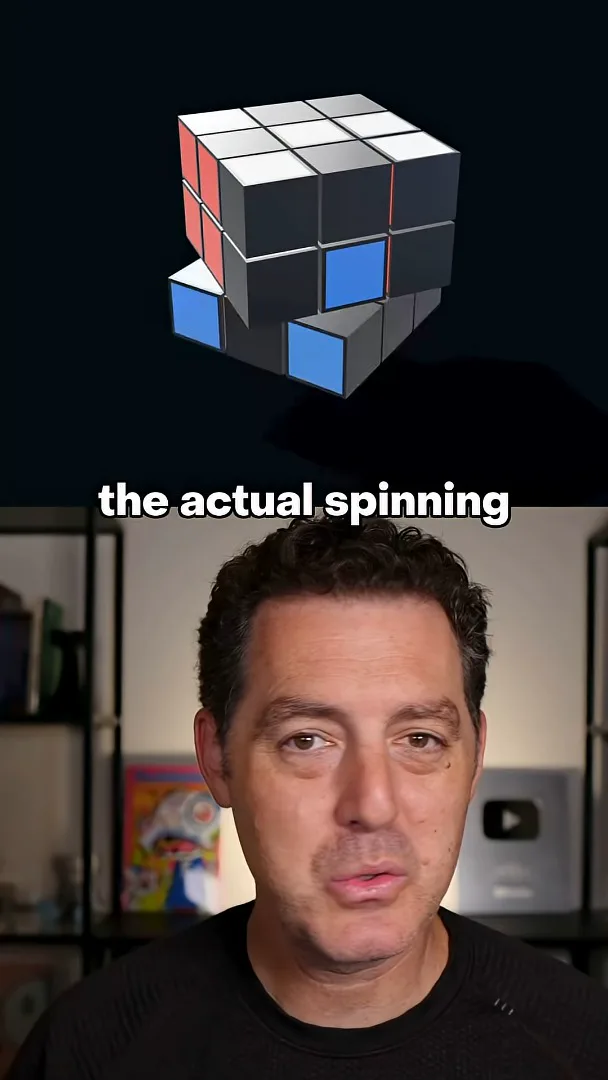
I go back and iterate. The next version turns the sides correctly, but the colors disappear. I do not blame the model alone; I suspect the interaction between the model and the harness. This brief test shows the behavior, but it does not establish which component caused it.
More from this channel
 34:21EN
 Matthew Berman· Oct 27, 2026Matthew Berman Examines Anthropic’s IPO Filing, AI Growth and GovernanceMatthew Berman, Sam Altman · Forward FutureThe presenter reviews the S-1’s financial metrics, compute strategy and voting structure while questioning the tension between rapid AI development and safety.
 0:26ENMatthew Berman· Oct 25, 2026Sam Altman on Human Values and Problem-Solving in an AI WorldSam Altman · OpenAIIn a short interview excerpt, Altman considers the enjoyment of solving hard problems and the human role in interpreting results.
 0:36ENMatthew Berman· Oct 25, 2026Kimi K3.1 and a Rubik’s Cube Solver DemonstrationMatthew Berman · Forward FutureMatthew Berman shows a scrambled virtual cube being solved and gives the Kimi K3.1 test a favorable assessment.
 0:21ENMatthew Berman· Oct 24, 2026An AI-Generated Kimi Benchmark Chart Used Invented ScoresMatthew Berman · Forward FutureMatthew Berman asks for a graph of Kimi K3.1 Pro benchmarks, then discovers that the displayed figures are illustrative placeholders.
 25:50ENMatthew Berman· Oct 24, 2026Kimi K3.1 Pro Tested: Strong 3D Demos, Uneven Results and Competitive PricingMatthew Berman · Forward FutureMatthew Berman tests the open-weight model on coding, 3D rendering and visual explanations, then compares benchmark results and prices.
 32:20ENMatthew Berman· Oct 23, 2026Who Is Local AI For? The Costs, Trade-offs and a Hybrid FutureMatthew Berman · Forward FutureMatthew Berman weighs data control and independence against hardware cost, setup complexity and inference speed.