30 秒でわかる
Peter Yang compares two model setups on a travel site, game, video workflow, mobile prototype, advice and repository review. He prefers GPT as his daily driver and gives Claude a slight edge in one game example, while acknowledging that app interfaces, shared skills and prior context affect the comparison.
- 1Travel sites are closeBoth produce interactive itinerary pages with different visual choices and some clipping.
- 2A subjective game preferenceYang gives Claude's generated shooter a slight edge in one example.
- 3Publishing test stopped earlyBoth systems begin browser workflows, but the live demonstration ends before the full sequence finishes.
- 4Shared context shapes the prototypeBoth mobile examples use the same planning skill and design system.
- 5A personal daily driverYang favors GPT for his workflow and usage experience while recognizing different strengths.
ポイント
- Yang considers the travel site and local-data mobile prototypes broadly comparable.
- He prefers Claude's game in one subjective example and GPT/Codex for his browser workflow.
- The live publishing demonstration was stopped before all platform steps completed.
- Shared skills, design assets and application interfaces influence the results.
- Pricing and usage limits are time-sensitive, and six examples do not establish a universal winner.
チャプターごとに整えた全文を読む
Travel and game examples
Yang compares two generated websites and retro shooters.
Peter Yang compares GPT-5.6 and Claude Fable 5 across six examples: a travel site, a retro game, video publishing, a mobile feature, personal advice and a repository review. His conclusions are personal observations from a small set of tasks, not a controlled benchmark.
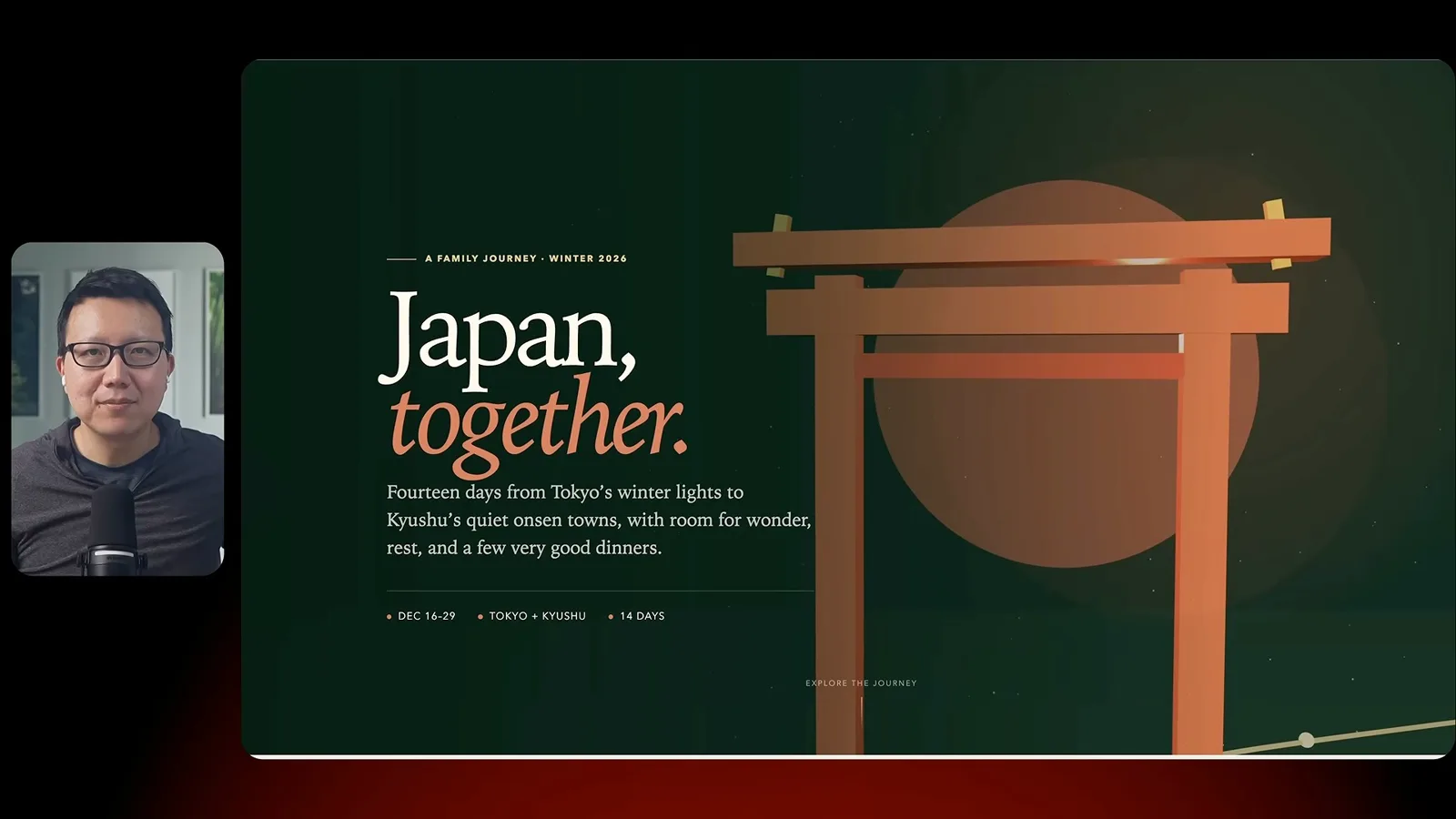
Both models turn a Japan itinerary into an interactive travel catalog. Yang likes the GPT version's 3D gate and relevant images and the Claude version's snow and multiple images, while noticing clipping. He calls the results broadly comparable.
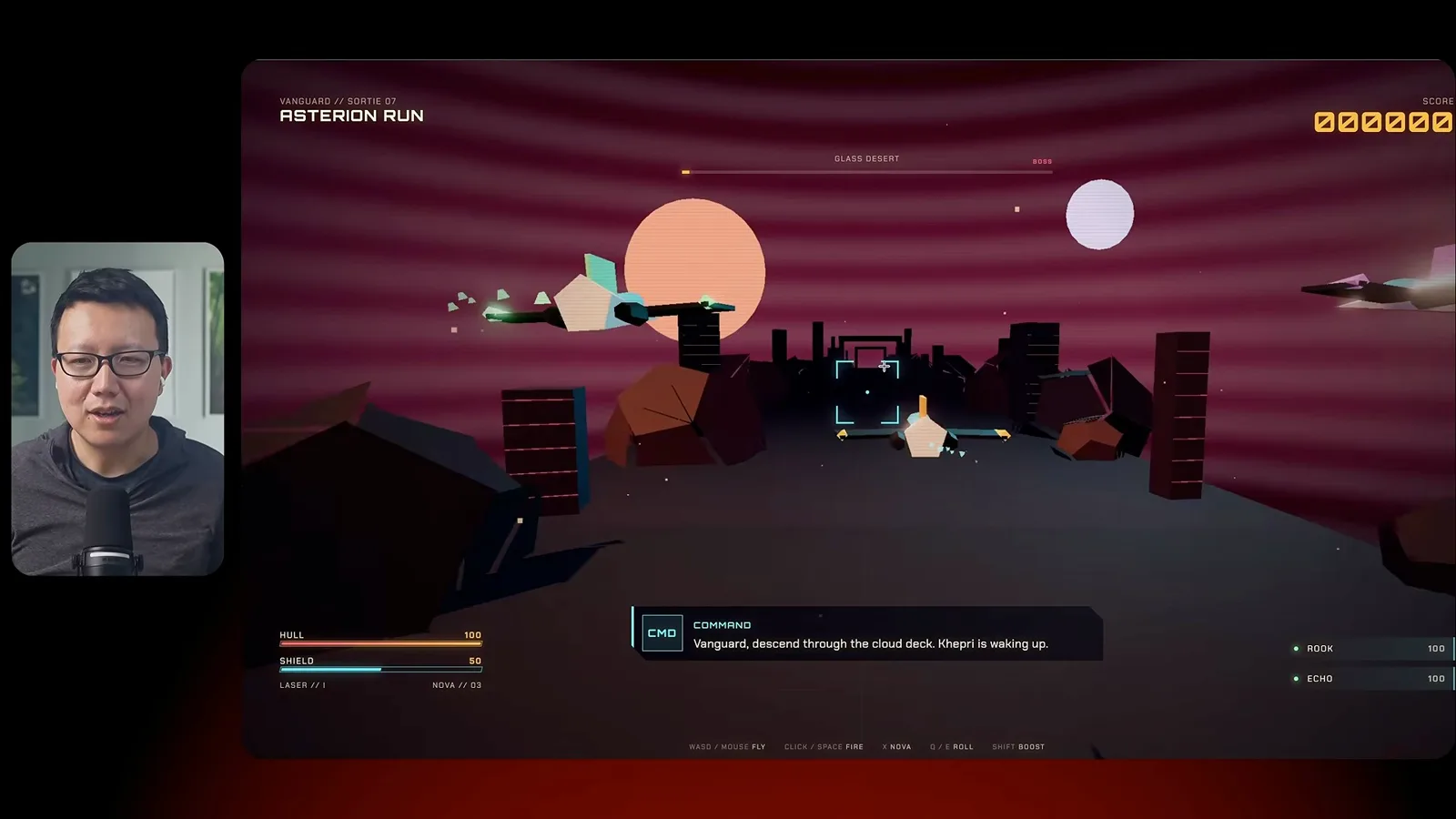
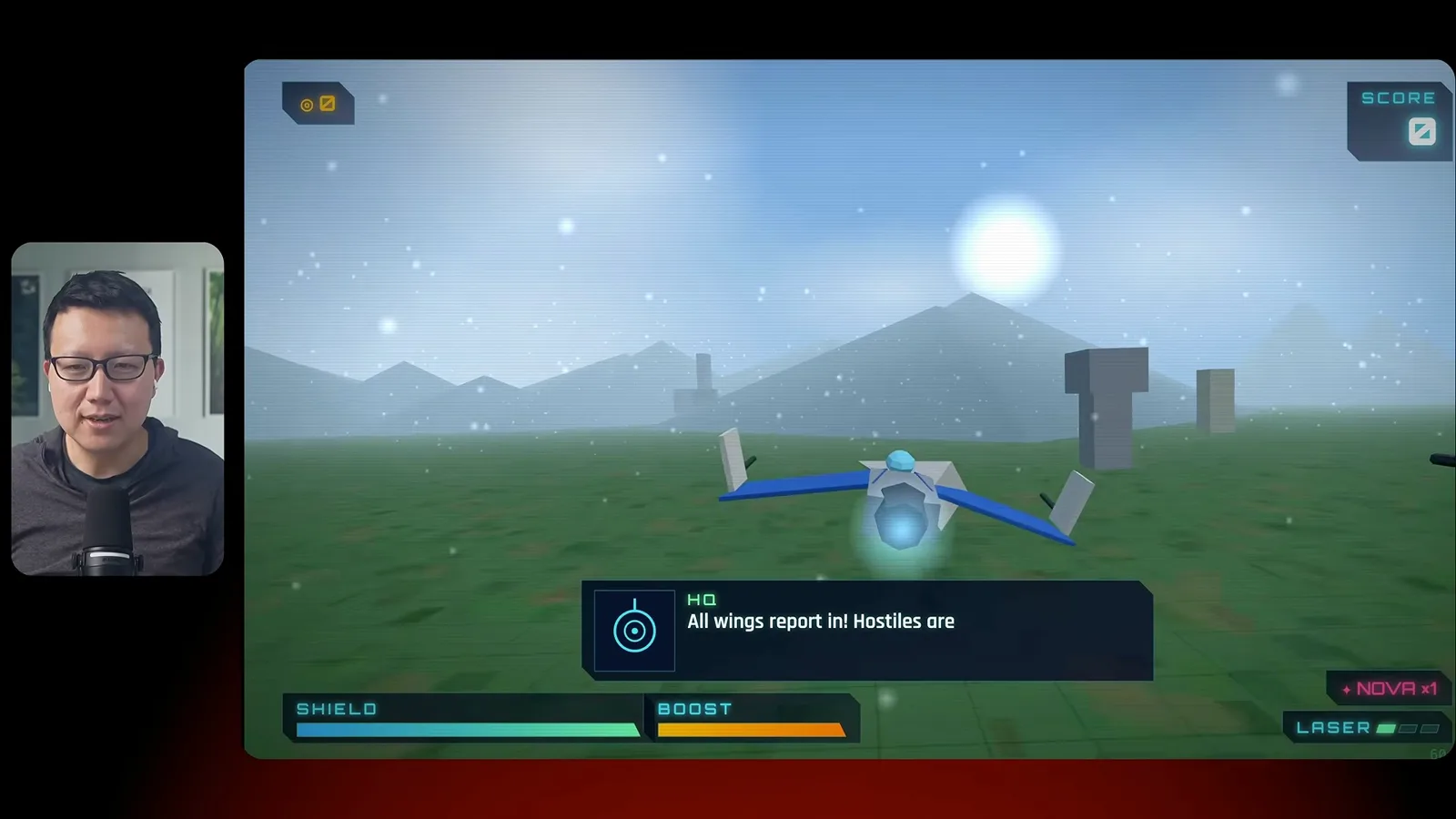
Both produce a playable retro space shooter from a similar request. Yang gives Claude a slight subjective edge because of its wingman behavior and a barrel-roll feature he noticed. These are individual generated examples rather than a general ranking of game development.
Video and mobile workflows
He demonstrates browser publishing and local-data prototypes.
For short-video production, Yang uses a skill to select a transcript excerpt and render clips, then asks each setup to navigate publishing workflows. He stops both live demonstrations before the full multi-platform flow finishes. He prefers the GPT/Codex browser experience based on his own prior use, while noting that the comparison mixes model and app differences.
For a fitness app, both models create plans and local-data prototypes for a nutrition tab. Yang finds them similar and calls the category a tie. Both use a shared planning skill, design guidance and component library, which influence the results and make this a comparison of workflows as well as models.
Advice and repository review
The models provide suggestions based on Yang's own context.
For personal and business advice, both read his planning material. Yang likes the organization of one answer and an insight in the other, but treats the results as close. Advice generated from personal context is a prompt for judgment and follow-up, not a substitute for validating the underlying information.
A repository review asks each system to suggest improvements and consolidate overlapping skills. Yang prefers a numbered list so he can approve selected changes. He sees useful suggestions from both and does not declare a winner.
The personal verdict
Yang discusses his preferences and time-sensitive cost tradeoffs.
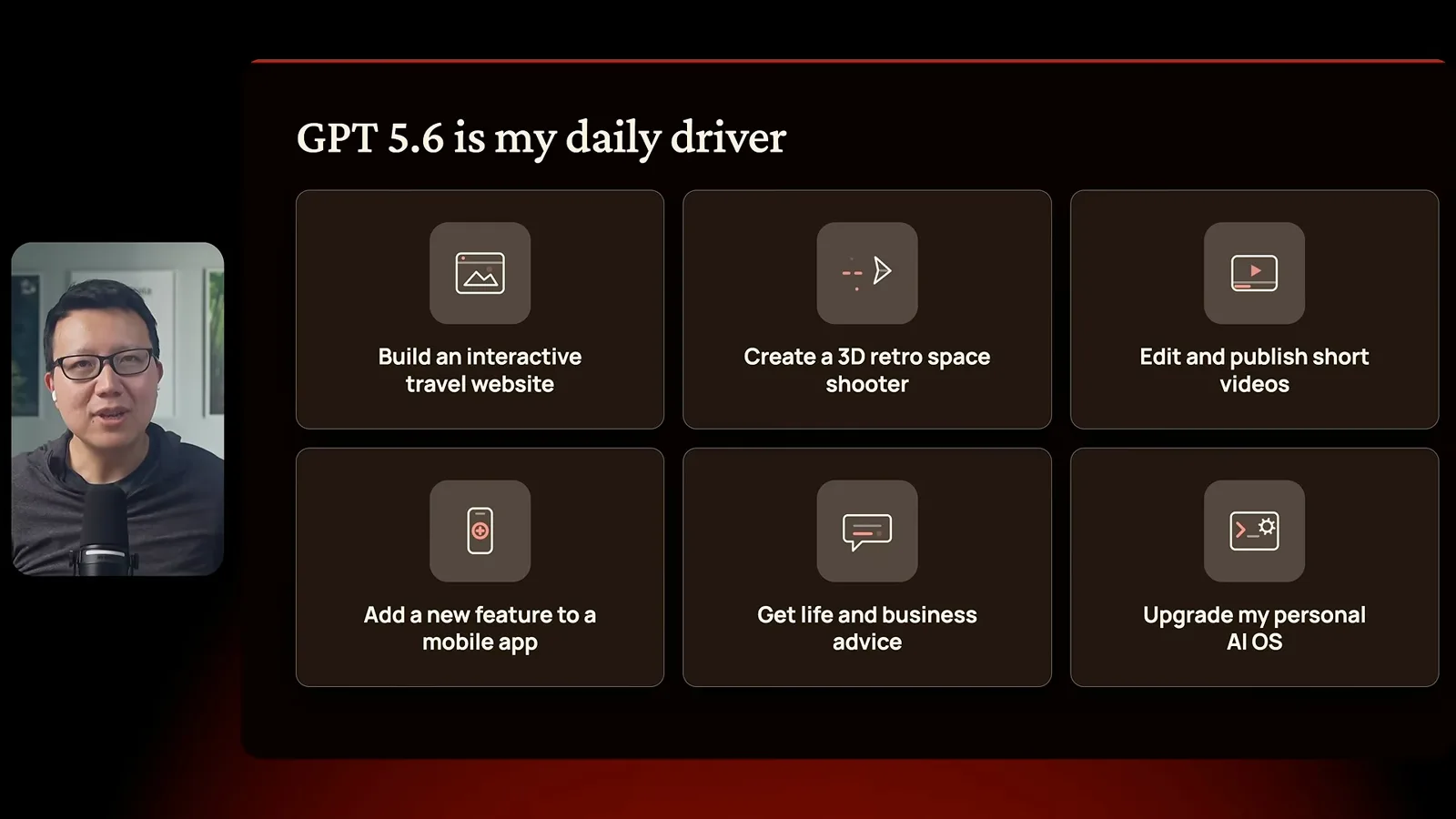
Yang favors GPT-5.6 as his daily driver because of his experience with the surrounding tools, speed and usage limits, while considering Claude useful for planning and design. His price and subscription comparisons reflect the time of recording and can change; the video does not establish a permanent or universal winner.
同じチャンネルの記事
 46:40EN
 Peter Yang· 2026年11月8日ポッドキャスト · 2 人Ashley Alexander: How AI Helps Me Care for My Parents With Cancerゲスト Ashley Alexander · ホスト Peter YangA caregiver uses AI to prepare for appointments, organize records and ask better questions—while keeping doctors at the center of treatment.
 17:50ENPeter Yang· 2026年11月4日ポッドキャストPeter Yang’s Five Steps for Using AI to Help Care for His MotherYang uses a shared care brief and organized records to navigate appointments, while making time for family.
 15:03ENPeter Yang· 2026年11月3日ポッドキャストHow Peter Yang Used an AI Phone Agent to Negotiate His Internet BillAn AI call negotiated a lower price and faster service, but Yang still had to approve the change himself.
 33:09ENPeter Yang· 2026年11月1日ポッドキャスト · 2 人Jaclyn Konzelmann: When AI Can Build More, Choose What Deserves to Existゲスト Jaclyn Konzelmann · ホスト Peter YangGoogle Labs pairs short strategy documents with prototypes, user co-creation and lessons from experiments that end.
 13:05ENPeter Yang· 2026年10月28日ポッドキャストPeter Yang Tests Genie 4: Convincing Worlds, Unfinished GameplayFive live demonstrations show scenes that respond to prompts and sound, alongside inconsistent actions and limited game mechanics.
 1:06ENPeter Yang· 2026年10月26日ポッドキャストPeter Yang on Setting Up Payroll for a One-Person BusinessIn a paid partnership, Yang describes the paperwork he encountered and a payroll product integrated with a business account.