





絞り込み結果
158 件並び順
 13:26EN
 Chris Williamson· 2026年10月27日ポッドキャスト · 2 人John Kiriakou on Espionage, Geopolitics, and Recruiting Intelligence Sourcesゲスト John Kiriakou · ホスト Chris WilliamsonThe former CIA officer shares his assessment of foreign influence, explains how sources are recruited, and recounts the Kim Philby case.
 45:34EN
 Citadel Securities· 2026年10月26日ポッドキャスト · 2 人Henry Paulson on AI Risk, U.S.–China Relations and Crisis Leadershipゲスト Henry M. Paulson, Jr. · ホスト Jim EspositoThe former Treasury secretary discusses today’s economic risks and lessons from the 2008 financial crisis.
 34:35EN
 SemiAnalysis· 2026年10月23日ポッドキャスト · 3 人SemiAnalysis on ASML's Hybrid-Bonding Patents, HBM Economics and the Next Tool Ecosystemゲスト Sherry Zhang, Howie · ホスト Jordan NanosJordan Nanos, Sherry Zhang and Howie examine a track-based bonding design that brings the wafer to the die, then explain why adoption depends on precision, cleanliness, economics and a changing supply chain.
 1:09:00EN
 Dwarkesh Patel· 2026年10月22日ポッドキャスト · 9 人Dwarkesh Patel: What will computer chips look like in 2045?ゲスト Chris Auth, Kevin Fischer, Jack Kavalieros, Tyler Osborn, Pushkar Ranade, Gary Dickerson, Peter Wennink, Elon Musk · ホスト Dwarkesh PatelAfter two days inside Intel’s most advanced fab, Dwarkesh Patel walks through gate-all-around, backside power, High-NA EUV, ruthenium, CFET, and hybrid bonding — and asks Intel’s leadership how the industry can possibly meet AI’s 3×-a-year compute demand when the world’s chipmaking tools cannot.
 57:47EN
 The Builders· 2026年10月22日Peter Thiel on AI Acceleration, Global Power, and the Values of Its Buildersゲスト Peter Thiel · ホスト Walter IsaacsonWalter Isaacson challenges Peter Thiel on AI risk, concentrated power, and the moral responsibilities of visionary founders. Thiel argues that stopping progress carries dangers of its own.
 31:00EN
 AI Explained· 2026年10月12日Why AI Labs Keep Racing Despite Their Own Warnings of a Major BreachSam Altman, John Schulman · OpenAIAI Explained examines weakening safeguards, the incentives behind the frontier race, and why research breakthroughs make the next 18 months difficult to forecast.
 2:09:42EN
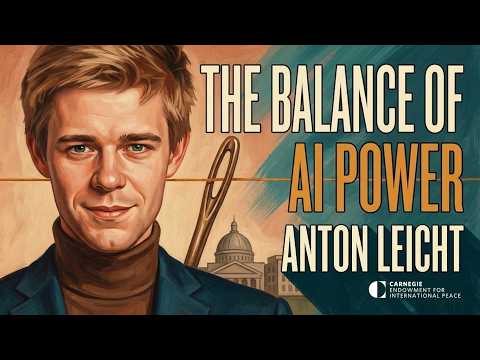
 Cognitive Revolution "How AI Changes Everything"· 2026年9月15日ポッドキャストA Frontier Pause Would Help. America Will Not Sign One That Only Pauses the Frontierホスト Nathan LabenzCarnegie fellow Anton Leicht tells Nathan Labenz why a six-month slowdown is technically overdue, why US-China incentives block it, and how Europe can still trade compute and ASML for a seat at the table.
 3:15:53ENCognitive Revolution "How AI Changes Everything"· 2026年9月10日ポッドキャストThe Goal Is Pax Robotica, Not Winning the AI Raceホスト Nathan LabenzAfter two weeks in China, Nathan Labenz argues the United States should trade chips for robots, keep a shared AI paradigm, and aim for mutual abundance instead of another sword of Damocles.
 37:07EN
 No Priors: AI, Machine Learning, Tech, & Startups· 2026年9月3日ポッドキャスト · 2 人Arm’s 98.5% margin business just started shipping chipsホスト Sarah Guo, Elad GilCEO Rene Haas tells No Priors why the IP company built a physical CPU for Meta, and why CPUs still sit at the center of AI systems.
 20:46EN
 Matthew Berman· 2026年8月26日Open-Weight AI Models: Token Share, Spending and Strategic TradeoffsMatthew Berman · Forward FutureMatthew Berman examines a Vercel AI Gateway snapshot and argues that model usage and spending can tell very different stories.
 15:37ENMatthew Berman· 2026年8月4日Matthew Berman on Qwen3.8-Max, AI Costs and Open-Weight CompetitionMatthew Berman · Forward FutureA 2026 review of reported benchmark results and research demonstrations leads to questions about deployment economics and geopolitical dependence.
 1:09:26EN
 20VC with Harry Stebbings· 2026年8月3日ポッドキャスト · 2 人Anastasios Angelopoulos on Arena, Open Models and AI Evaluationゲスト Anastasios Angelopoulos · ホスト Harry StebbingsArena’s CEO discusses real-world model comparisons, enterprise AI control, security and the economics of evaluation.
 2:23:43ENCognitive Revolution "How AI Changes Everything"· 2026年7月27日ポッドキャストHe Bought an Android, Two SIMs, and Left Claude Watching His Inboxホスト Nathan LabenzNathan Labenz asked a dozen friends how to visit China and got two irreconcilable answers.
 27:13ENMatthew Berman· 2026年7月21日Kimi K3 and the Debate Over Open-Weight AIMatthew Berman · Forward FutureMatthew Berman examines model economics, competition and security arguments after Moonshot AI’s Kimi K3 announcement.
 3:51:47EN
 Lex Fridman· 2026年6月30日ポッドキャスト · 2 人Forty-Six Percent of Emperors Were Overthrown. The Empire Lasted Anywayゲスト Anthony Kaldellis · ホスト Lex FridmanHistorian Anthony Kaldellis walks Lex Fridman through 2,200 years of Roman history and argues that what we call Byzantium was Rome itself.
 1:07:45EN20VC with Harry Stebbings· 2026年5月26日ポッドキャスト · 2 人Andrew Feldman on AI Chips, Data Centers and Compute Demandゲスト Andrew Feldman · ホスト Harry StebbingsCerebras’s CEO discusses memory supply, inference speed, community impacts and US chip policy.
 38:01ENNo Priors: AI, Machine Learning, Tech, & Startups· 2026年5月14日ポッドキャスト · 2 人The Philippines Gifted America 4,000 Acres. Pax Silica Wants to Make the AI Supply Chain a Businessホスト Sarah Guo, Elad GilUS Under Secretary Jacob Helberg on a 14-country coalition, a diplomatic industrial zone in the Philippines, and why Washington is putting companies—not ministries—in the driver's seat.
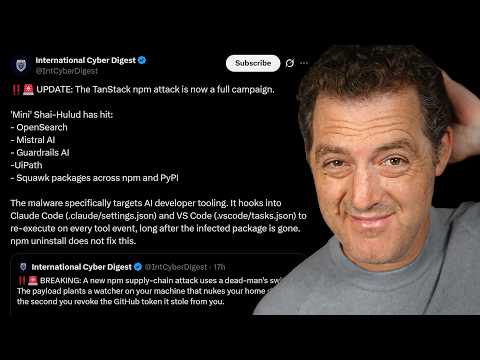 1:42:54ENMatthew Berman· 2026年5月12日AI and Cybersecurity: Matthew Berman’s Warnings, Predictions and Open QuestionsMatthew Berman · Forward FutureA livestream reviews reported AI-assisted threats and debates whether stronger defensive models can keep pace with attackers.
 57:04EN20VC with Harry Stebbings· 2026年3月23日ポッドキャスト · 2 人Matthew Steckman on Anduril’s Defense Business, Procurement and Product Betsゲスト Matthew Steckman · ホスト Harry StebbingsAnduril’s president explains a $20 billion procurement ceiling, the company’s approach to building military products and his view of the responsibilities of defense suppliers. His forecasts and company claims reflect his position as an interested executive.
 1:29:32ENMatthew Berman· 2026年3月9日Dylan Patel on AI Agents, Military Use, Jobs, and the Race for ComputeMatthew Berman, Dylan Patel · Forward FutureThe SemiAnalysis founder discusses how AI agents are changing his business, the controversy over military use, and the economic and geopolitical stakes of frontier models.
 1:34:42ENCognitive Revolution "How AI Changes Everything"· 2026年2月13日ポッドキャストA $500 Kernel, a Ten-Month Village, and the Temper of Agentsホスト Nathan LabenzJames Zou, Sam Hammond, and Shoshannah Tekofsky on science agents, America's knowledge-work bet, and what models actually do when you leave them alone.
 1:43:19ENCognitive Revolution "How AI Changes Everything"· 2025年12月19日ポッドキャストA $100 Million Super PAC Named Him Public Enemy Number One. Donations Went Up.ホスト Nathan LabenzIn the second half of Cognitive Revolution’s year-end live show, Assemblymember Alex Bores, former White House adviser Dean Ball, and forecaster Peter Wildeford argue over state AI laws, chip sales to China, and what 2026 will actually feel like.
 1:09:48EN
 Unsupervised Learning: With Jacob Effron· 2025年12月5日ポッドキャストChina's AI Labs Went From 15 to Six. The Compute Gap Is 15-to-1.ホスト Jacob EffronJordan Schneider tells Unsupervised Learning that Chinese models were a private-capital story, that Beijing still thinks in hardware, and that the West's real edge is chips it can serve — not a state master plan.
 1:06:06EN20VC with Harry Stebbings· 2025年11月17日ポッドキャスト · 2 人Andrew Ng on AI Infrastructure, Open Models and Building Useful Applicationsゲスト Andrew Ng · ホスト Harry StebbingsThe AI Fund general partner discusses computing constraints, geopolitics, adoption and the economics of AI products.
もっと見る158 件中 24 件を表示