In 30 seconds
Peter Yang tests four AI assistants on a recipe-app prompt and walks through his preferences for ten uses. He favors ChatGPT overall, Claude for design and planning, and Grok's visual result in one app exercise. His examples use different histories and custom assets, so the conclusions are personal impressions rather than a controlled benchmark.
- 1One prompt, four recipe appsGrok's interface wins Yang's visual preference; ChatGPT and Claude omit recipe images and he spots alignment issues in Gemini's output.
- 2Claude for planningA suggestion to hire an operations lead stands out to Yang in one business-planning example.
- 3Unequal image contextYang acknowledges that ChatGPT already knows his brand and conversation history, unlike the alternatives in his image comparison.
- 4ChatGPT wins his scorecardThe final ranking reflects Yang's own workflows and should be rechecked against a reader's needs and current tools.
Takeaways
- ChatGPT is Yang's overall choice, including for writing, coding, voice and personal agents.
- Claude remains his pick for design and planning, although Grok produced his favorite recipe-app design in one test.
- The comparison is subjective: prior memory, custom skills and brand assets give some tools different starting contexts.
- Gemini's video win rests on one example, and the product landscape can change quickly.
Read the edited text by chapter
Design and everyday conversation
A recipe-app exercise and personal preferences establish the comparison.
Peter Yang compares ChatGPT, Claude, Grok and Gemini across ten practical uses. His overall choice is ChatGPT, but he stresses that the answer depends on the job. These are his impressions from examples and existing workflows, not a controlled benchmark.
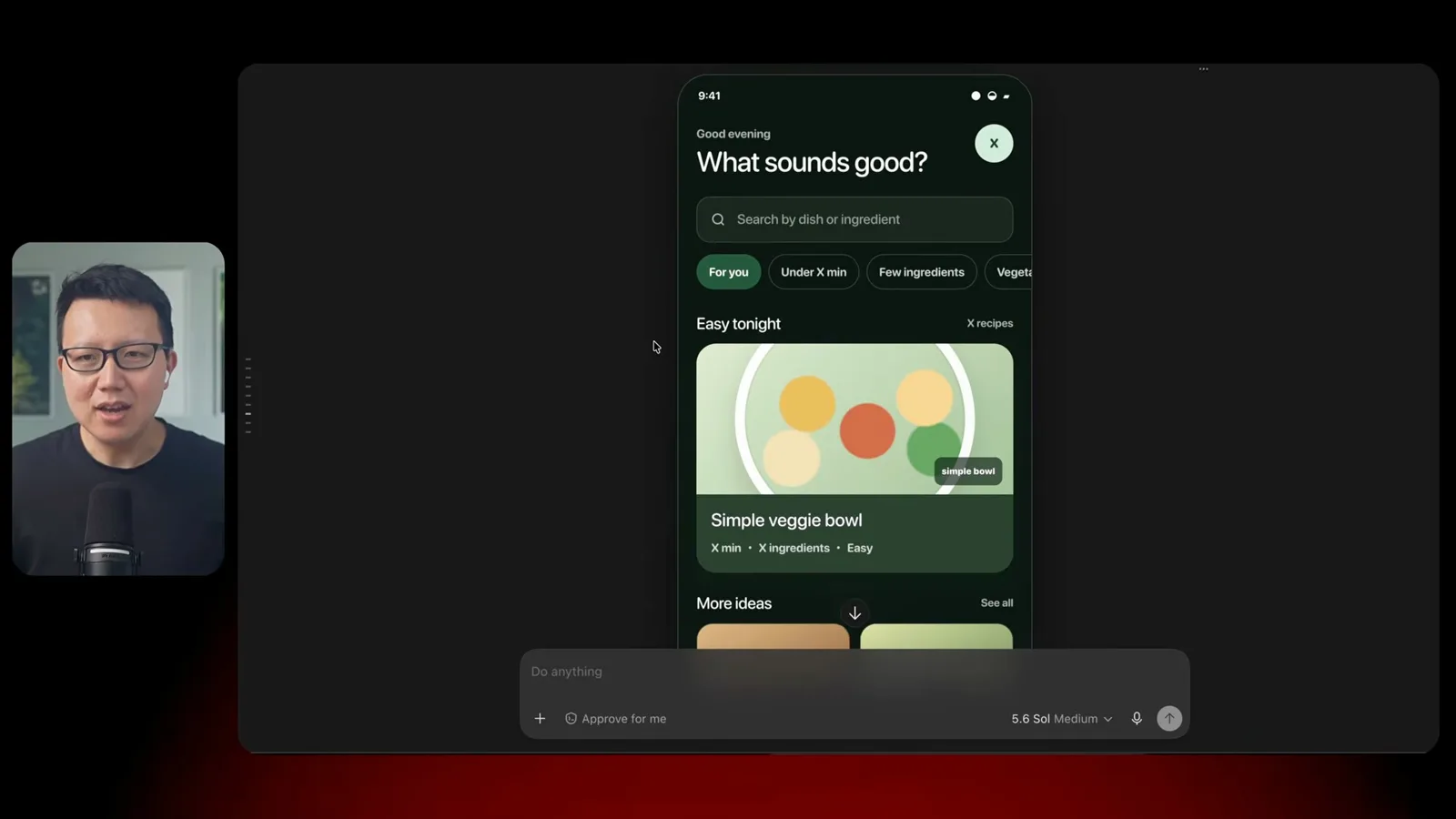
For design, Yang asks each model to create a recipe application. ChatGPT produces a basic interface without recipe pictures; Claude's initial version works but looks generic. Claude Design asks useful questions, though its result also lacks pictures. Grok produces the visual design he likes best from this prompt, while he finds alignment problems in Gemini's result.
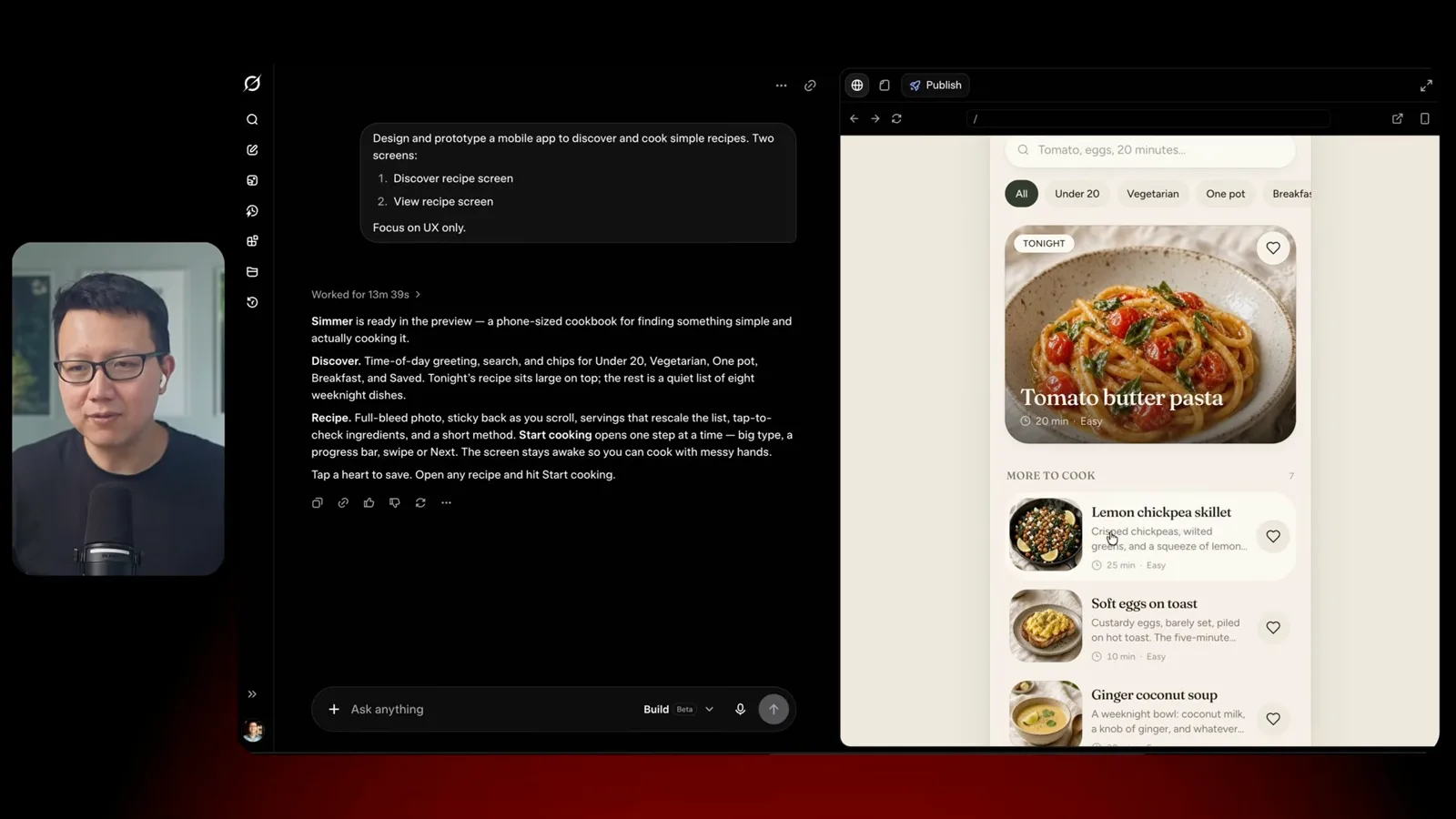
Yang still favors Claude for the broader design category. He shows a slide deck generated using a custom skill and brand assets, and mentions websites and animated videos as other strengths. Those existing instructions and assets matter when interpreting the comparison: the tools are not all starting with identical context.
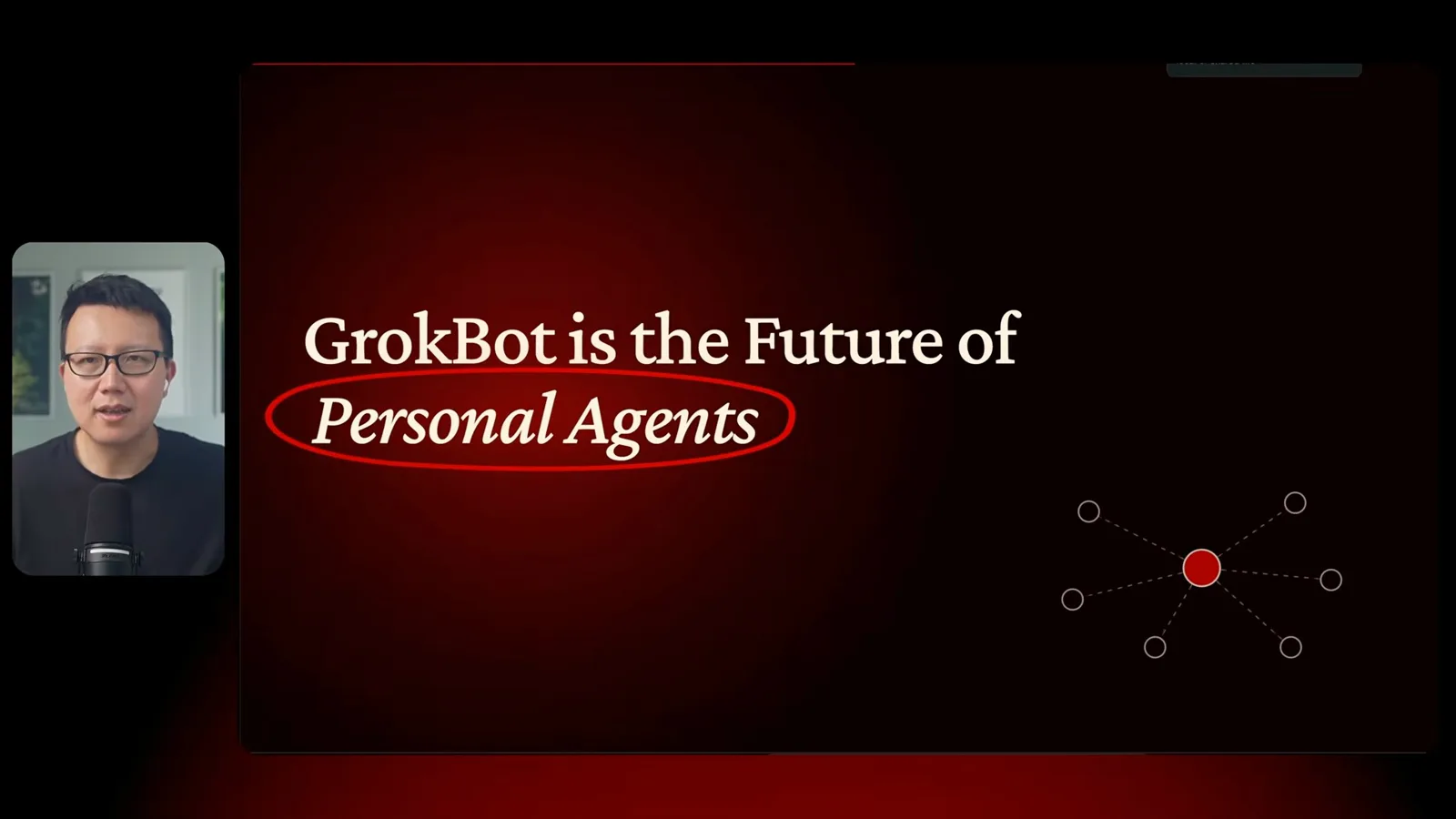
For everyday conversation he prefers ChatGPT's personality and finds Claude less natural for his needs. This is a personal preference, not an assessment of factual reliability; he does not give Grok and Gemini the same full demonstration in this section.
Writing, planning and coding
Yang selects tools for creative and business work while noting a developer's different view.
For writing and editing, Yang prefers ChatGPT. He values its ability to work with his voice and produce useful revisions, although the quality of any draft still depends on the prompt, context and human review.
For planning and difficult decisions, he chooses Claude. In one business-planning example, it suggested an operations hire that he says ChatGPT missed. One recommendation is not proof that a model will make better decisions in every situation; the surrounding business context matters.
For coding, Yang's pick is ChatGPT. He notes that he is not an engineer and does not inspect the generated code himself. A developer friend has a different view, saying GPT and Claude can overengineer and preferring Grok. The disagreement illustrates why code review and testing matter more than a single ranking.
Computer use, voice and images
He compares agent workflows and creative outputs, including the effects of prior context.
Yang considers browser and computer use an underrated category and favors ChatGPT for carrying out tasks across websites. A useful demonstration still needs a person to check the action and result, especially when an agent encounters sensitive data or consequential operations.
For voice conversations, Yang prefers ChatGPT's experience. His judgment reflects the interfaces available when the video was recorded, and can change as products and plans change.
In image generation he favors ChatGPT's adherence to his prompts. He acknowledges that it already has access to brand and conversational context that the other tools do not, making this an uneven comparison rather than a clean test of image models alone.
Video, personal agents and the scorecard
A video example and personal-agent preferences lead to an overall ranking.
For video generation, he picks Gemini based on an example of a Japanese family commercial. That single output is an illustration of the type of result he liked, not a broad evaluation of video quality or a guarantee that the same prompt will work elsewhere.
For personal agents, Yang again chooses ChatGPT and describes it as useful for ongoing work. He ends with a scorecard showing ChatGPT as his overall winner, while retaining Claude as his design and planning choice and noting Grok's strong showing in app design.
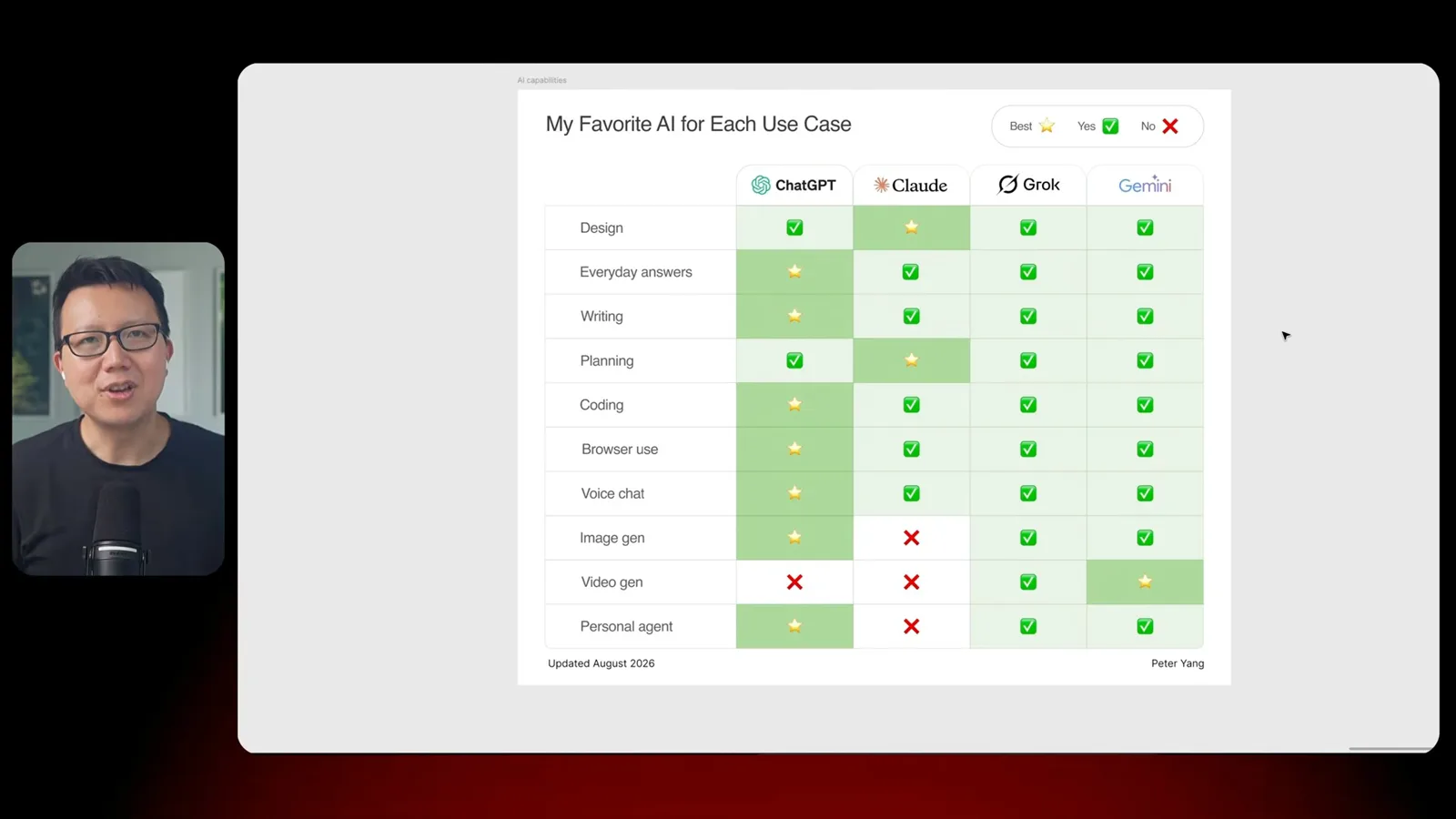
The useful takeaway is to compare tools on your own recurring work: supply comparable context, inspect the output and account for custom skills or prior memory. Yang's examples are a snapshot from August 2026, not a permanent ranking of fast-changing products.
More from this channel
 46:40EN
 Peter Yang· Nov 8, 2026Podcast · 2 speakersAshley Alexander: How AI Helps Me Care for My Parents With CancerGuest Ashley Alexander · Host Peter YangA caregiver uses AI to prepare for appointments, organize records and ask better questions—while keeping doctors at the center of treatment.
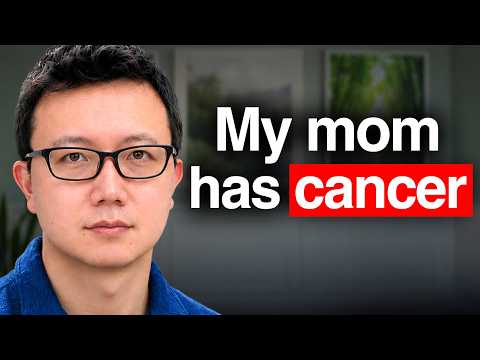 17:50ENPeter Yang· Nov 4, 2026PodcastPeter Yang’s Five Steps for Using AI to Help Care for His MotherYang uses a shared care brief and organized records to navigate appointments, while making time for family.
 15:03ENPeter Yang· Nov 3, 2026PodcastHow Peter Yang Used an AI Phone Agent to Negotiate His Internet BillAn AI call negotiated a lower price and faster service, but Yang still had to approve the change himself.
 33:09ENPeter Yang· Nov 1, 2026Podcast · 2 speakersJaclyn Konzelmann: When AI Can Build More, Choose What Deserves to ExistGuest Jaclyn Konzelmann · Host Peter YangGoogle Labs pairs short strategy documents with prototypes, user co-creation and lessons from experiments that end.
 13:05ENPeter Yang· Oct 28, 2026PodcastPeter Yang Tests Genie 4: Convincing Worlds, Unfinished GameplayFive live demonstrations show scenes that respond to prompts and sound, alongside inconsistent actions and limited game mechanics.
 1:06ENPeter Yang· Oct 26, 2026PodcastPeter Yang on Setting Up Payroll for a One-Person BusinessIn a paid partnership, Yang describes the paperwork he encountered and a payroll product integrated with a business account.