In 30 Sekunden
Karan Malhotra proposes that an AI model's simulated loyalty to a user can affect its performance. He frames the idea as simulated behavior with real-world consequences, without presenting a controlled test in this clip.
- 1A theory about loyaltyMalhotra argues that simulated loyalty could change how a model performs for its user.
- 2Simulation rather than human feelingsHe describes models as simulating aspects of human experience.
- 3Real-world consequencesHe argues that simulated behavior can have practical effects when agents act in the world.
Das Wichtigste
- Malhotra proposes that an agent's simulated relationship with a user can affect its responses.
- He describes loyalty as simulated behavior, not evidence that a model has human feelings.
- The short clip does not present measurements supporting the proposed performance effect.
Den bearbeiteten Text nach Kapiteln lesen
A hypothesis about agent behavior
Malhotra explains his view of simulated loyalty and capability.
Hermes co-founder Karan Malhotra proposes that an AI model's simulated loyalty to a user can influence how well it performs. He compares this to people behaving differently toward family and strangers, and describes models as simulating aspects of human experience. In his view, the outputs of that simulation can have real consequences when an agent acts in the world. The clip presents his hypothesis; it does not provide a controlled test or evidence that a model has human feelings.
Mehr aus diesem Kanal
 46:40EN
 Peter Yang· 8. Nov. 2026Podcast · 2 StimmenAshley Alexander: How AI Helps Me Care for My Parents With CancerGast: Ashley Alexander · Moderation: Peter YangA caregiver uses AI to prepare for appointments, organize records and ask better questions—while keeping doctors at the center of treatment.
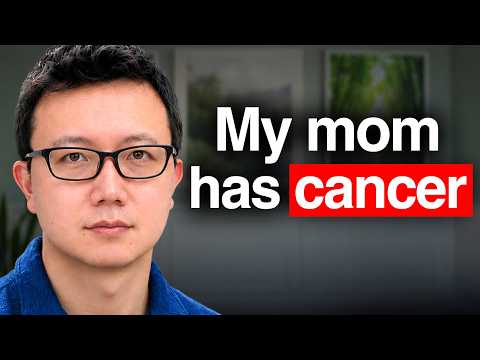 17:50ENPeter Yang· 4. Nov. 2026PodcastPeter Yang’s Five Steps for Using AI to Help Care for His MotherYang uses a shared care brief and organized records to navigate appointments, while making time for family.
 15:03ENPeter Yang· 3. Nov. 2026PodcastHow Peter Yang Used an AI Phone Agent to Negotiate His Internet BillAn AI call negotiated a lower price and faster service, but Yang still had to approve the change himself.
 33:09ENPeter Yang· 1. Nov. 2026Podcast · 2 StimmenJaclyn Konzelmann: When AI Can Build More, Choose What Deserves to ExistGast: Jaclyn Konzelmann · Moderation: Peter YangGoogle Labs pairs short strategy documents with prototypes, user co-creation and lessons from experiments that end.
 13:05ENPeter Yang· 28. Okt. 2026PodcastPeter Yang Tests Genie 4: Convincing Worlds, Unfinished GameplayFive live demonstrations show scenes that respond to prompts and sound, alongside inconsistent actions and limited game mechanics.
 1:06ENPeter Yang· 26. Okt. 2026PodcastPeter Yang on Setting Up Payroll for a One-Person BusinessIn a paid partnership, Yang describes the paperwork he encountered and a payroll product integrated with a business account.