30초 요약
Rohan Varma describes using Codex to gather project context, organize feedback, explore design options and manage recurring work. In a demonstration environment, he shows how a manual process can become an automation and emphasizes refining workflows through feedback.
- 1Synthesize informationVarma uses connected tools to gather customer feedback and project context.
- 2From manual process to automationA demonstration workflow collects feedback and organizes it for later review.
- 3Prototype visual optionsHe uses an existing screenshot to explore several interface directions.
- 4Delegate with checkpointsHe checks parallel work between meetings and asks for a report when review is needed.
핵심 정리
- Use connected sources to gather context and synthesize customer feedback.
- Explore product ideas with concrete prototypes before deciding what to ship.
- Practice a recurring task manually before turning it into an automation or skill.
- Give parallel work clear outcomes and review the results at useful checkpoints.
- Varma's productivity estimates and product descriptions reflect his own experience at OpenAI.
챕터별로 다듬은 전문 읽기
A product manager's changing work
Varma discusses context, team roles and fast prototypes.
OpenAI Codex product manager Rohan Varma discusses how he uses agents for product work with Peter Yang. He describes his own team's practices and uses a dummy environment for demonstrations. The episode is sponsored by Oceans.
Varma says Codex helps him synthesize customer feedback and gather context when he joins a project. He also sees a change in team roles: engineers can build and iterate quickly while product managers focus on key decisions, customer conversations and bringing work to market.
He describes short planning horizons and rapid prototypes. One example is an engineer's early in-app browser prototype, which gave the team something concrete to discuss. Varma's account reflects the Codex team's particular environment and does not imply that every product should skip planning.
He believes many users have not explored the full range of tasks they can delegate. As an example of tool use, he recounts asking an agent to turn a document into a site; when an integration did not provide images, the agent used a browser to retrieve them.
Feedback and design workflows
He demonstrates a recurring feedback process and explores visual options.
In the demonstration environment, he describes collecting feedback from chat, summarizing it and adding it to a task board. After practicing the process, he creates a recurring automation and specifies what should happen on completion. These examples describe his setup and the capabilities available at the time.
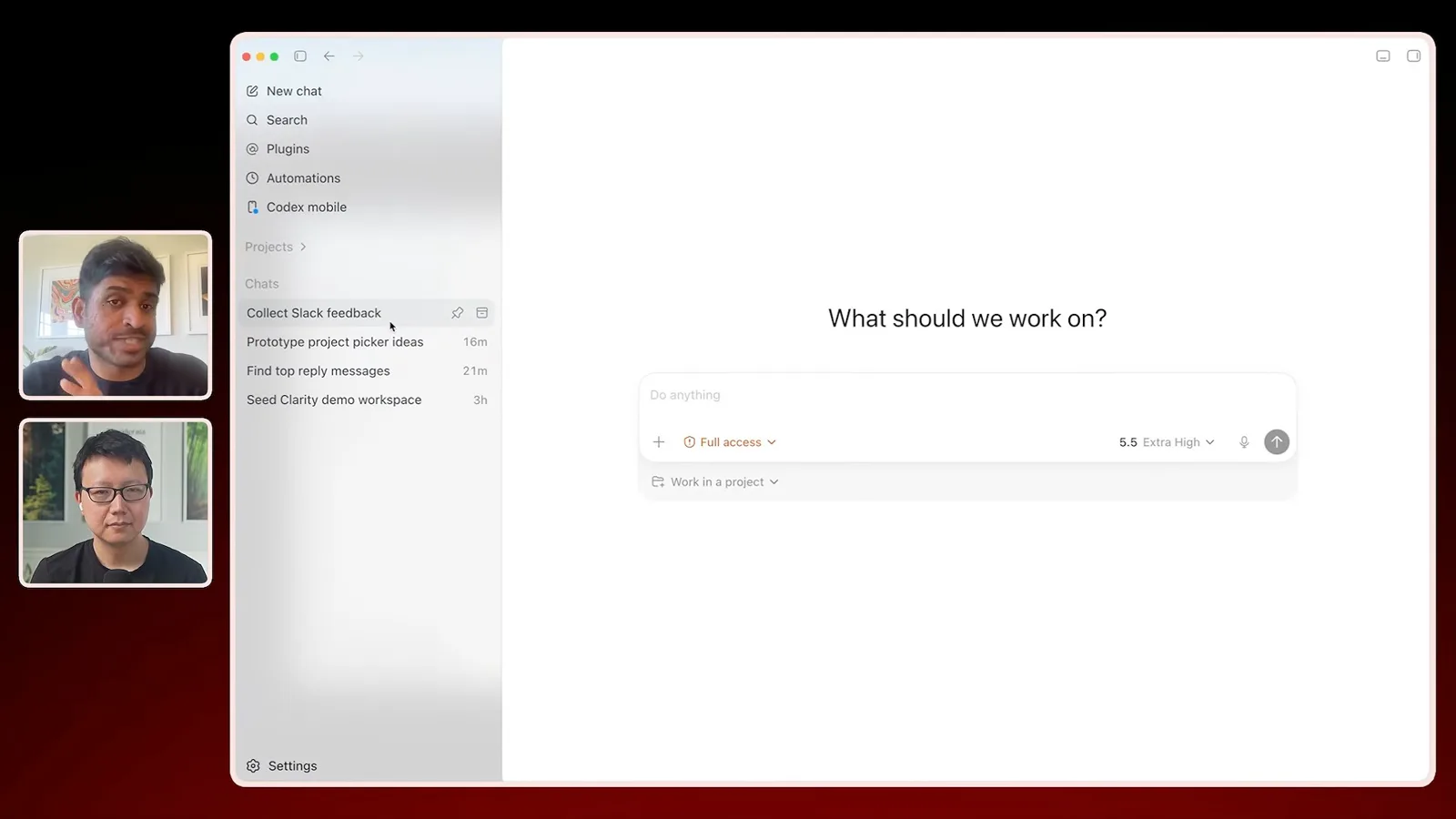
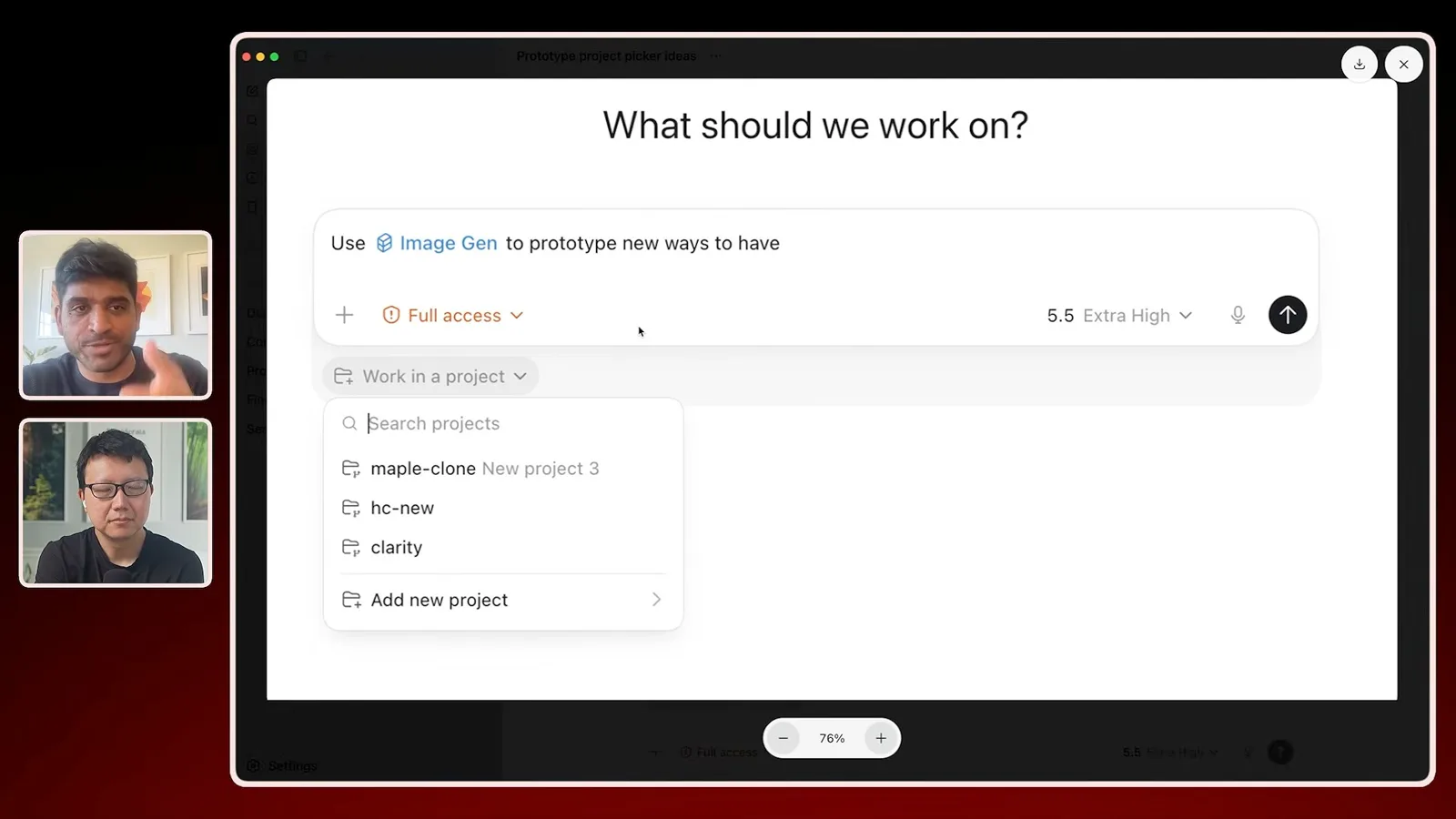
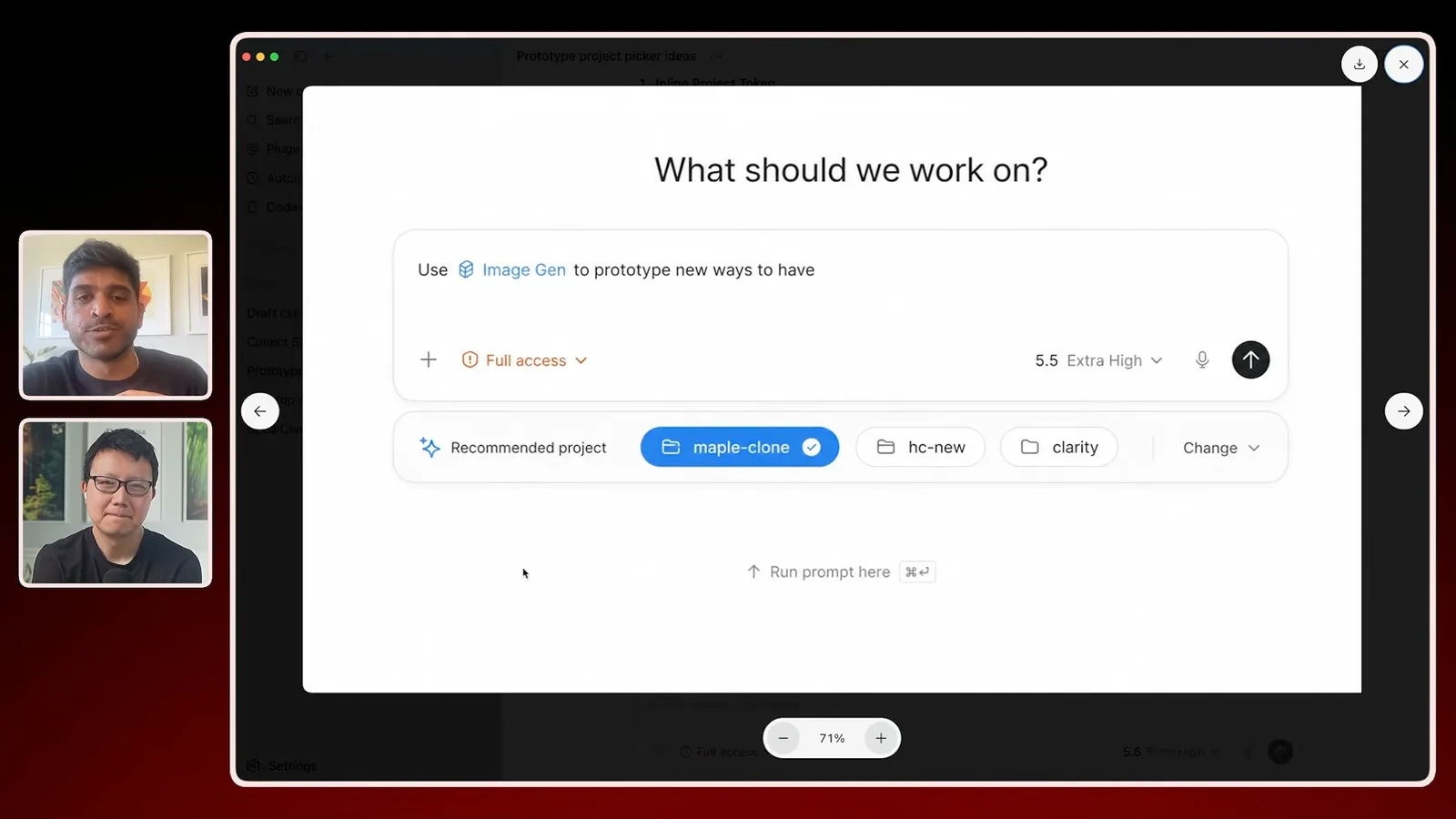
Varma uses image generation to explore interface ideas from a screenshot. He asks for several project-picker variations, then can take a promising direction into a shareable prototype. He also discusses using design guidance and testing skills after updates rather than assuming they remain correct.
Custom tools and focus time
Small apps, calendar review and delegation support his daily work.
For his own workload, he describes generating a small local app that ranks messages requiring a response. If a tool proves useful repeatedly, he may arrange for its data to be refreshed. He also summarizes long conversations and asks for a list of commitments.
Varma says he has many customer meetings and often builds in the evening. He asks an agent to review the week's calendar for meetings that could be consolidated or replaced by a message, creating more focus time.
He describes running several tasks in parallel but checking their results between meetings rather than monitoring every step. One example is asking an agent to watch a pull request, address checks and report when it is ready for human review. The exact permissions and workflow depend on the setup.
Living context and reusable workflows
Varma discusses project updates, skills and iterative improvement.
He also describes maintaining project overview pages from channel updates so a team can find recent context. His aim is to make information easier to keep current, while the contents still require judgment and verification.
Varma says he uses relatively few personal skills, preferring to see what the base system can do. When he repeats a process, he may turn the successful workflow into a skill or automation. He recommends asking what context was missing when a task fails and then refining the workflow.
Varma estimates that the tools increase his own throughput and argues for trying ambitious tasks. Those are personal observations, not measured productivity guarantees. He closes by describing a shift toward deciding what is worth building and spending time with customers.
같은 채널의 다른 글
 46:40EN
 Peter Yang· 2026년 11월 8일팟캐스트 · 2명Ashley Alexander: How AI Helps Me Care for My Parents With Cancer게스트 Ashley Alexander · 진행자 Peter YangA caregiver uses AI to prepare for appointments, organize records and ask better questions—while keeping doctors at the center of treatment.
 17:50ENPeter Yang· 2026년 11월 4일팟캐스트Peter Yang’s Five Steps for Using AI to Help Care for His MotherYang uses a shared care brief and organized records to navigate appointments, while making time for family.
 15:03ENPeter Yang· 2026년 11월 3일팟캐스트How Peter Yang Used an AI Phone Agent to Negotiate His Internet BillAn AI call negotiated a lower price and faster service, but Yang still had to approve the change himself.
 33:09ENPeter Yang· 2026년 11월 1일팟캐스트 · 2명Jaclyn Konzelmann: When AI Can Build More, Choose What Deserves to Exist게스트 Jaclyn Konzelmann · 진행자 Peter YangGoogle Labs pairs short strategy documents with prototypes, user co-creation and lessons from experiments that end.
 13:05ENPeter Yang· 2026년 10월 28일팟캐스트Peter Yang Tests Genie 4: Convincing Worlds, Unfinished GameplayFive live demonstrations show scenes that respond to prompts and sound, alongside inconsistent actions and limited game mechanics.
 1:06ENPeter Yang· 2026년 10월 26일팟캐스트Peter Yang on Setting Up Payroll for a One-Person BusinessIn a paid partnership, Yang describes the paperwork he encountered and a payroll product integrated with a business account.