









필터 결과
27개정렬
 1:59:52EN
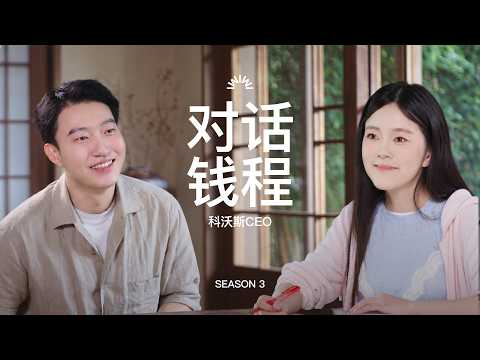
 Zhang Xiaojun Podcast· 2026년 10월 21일팟캐스트 · 2명David Qian on Succession, Robotics, and Finding His Own Ambition게스트 David Qian (Qian Cheng) · 진행자 张小珺Ecovacs CEO David Qian reflects on inheriting a founder-built company, learning to lead through mistakes, and choosing a patient path in robotics. His account treats succession as an ongoing effort to build the company for a new era, not a finish line.
 2:51:18ENZhang Xiaojun Podcast· 2026년 10월 15일팟캐스트 · 2명Lindon Gao on Building Dyna Robotics and Finding a Path Through the Fog게스트 Lindon Gao · 진행자 张小珺Dyna Robotics CEO Lindon Gao explains why his company builds intelligence through real workflows, how hardware and research must evolve together, and how a founder can find clarity by letting go of the need to be right.
 2:34:18ENZhang Xiaojun Podcast· 2026년 9월 3일팟캐스트 · 2명Zeng Ming on AI’s New Era: Why Great Companies and New Organizations Emerge게스트 Zeng Ming · 진행자 张小珺Zeng Ming argues that AI is changing the foundations of business: models will become infrastructure, while new Agent-native applications and organizations create the next wave of value. His advice to founders is to embrace uncertainty, rethink strategy continuously, and build around meaningful work rather than inherited structures.
 2:34:18ZHZhang Xiaojun Podcast· 2026년 9월 3일팟캐스트 · 2명曾鸣:AI 产业化的三阶段与公司组织的消亡게스트 曾鸣 · 진행자 张小珺战略学者曾鸣以互联网、工业革命和电气化的历史周期为参照,提出 AI 正从基础设施走向 Agent 应用,并最终进入原生应用阶段。他认为,旧公司的科层制难以穿越范式转型,下一代组织将围绕任务、创造力和人机协同重构。
 3:36:13ENZhang Xiaojun Podcast· 2026년 8월 13일팟캐스트 · 2명NVIDIA’s Ming-Yu Liu on Cosmos, Physical AI, and Creating New Markets게스트 Ming-Yu Liu · 진행자 张小珺NVIDIA research VP Ming-Yu Liu explains how a decade of generative-model research led to Cosmos 3, a world foundation model for Physical AI. He also shares what he learned from Jensen Huang about long-term bets, teamwork, and building markets instead of fighting over existing ones.
 2:59:03ENZhang Xiaojun Podcast· 2026년 7월 28일팟캐스트 · 2명You Kaichao on How vLLM Grew from Open-Source Project to AI Infrastructure Company게스트 You Kaichao · 진행자 张小珺Inferact co-founder You Kaichao traces vLLM’s path from Berkeley research to a company, then explains why model, inference, hardware and agent design increasingly have to move together.
 3:46:12ENZhang Xiaojun Podcast· 2026년 7월 16일팟캐스트 · 2명Kay Ke on Physical Intelligence, Robot Learning, and the Future of Robotics게스트 Kay Ke · 진행자 张小珺Physical Intelligence researcher Kay Ke traces the field's research lineages and explains Pi's progression from π₀ to π*₀.₆. She also reflects on education, fiction, ambition, and what it means to build robots that work beyond a demo.
 46:26ZHZhang Xiaojun Podcast· 2025년 12월 9일팟캐스트 · 2명朱啸虎:三年内看不到泡沫,共识太集中就错开十五度게스트 朱啸虎 · 진행자 张小珺2025 年底,金沙江创投朱啸虎第三次坐到张小珺对面:AGI 不谈了,入口之争开始了。他不投人形机器人,把支票开给洗船和按摩这类「干活」的公司。
 2:06:16ZHZhang Xiaojun Podcast· 2025년 11월 28일팟캐스트 · 2명谭捷:机器人通用智能的瓶颈在数据,通用形态仍需时间게스트 谭捷 · 진행자 张小珺Google DeepMind 机器人研究科学家谭捷回顾了从计算机图形学到机器人、从强化学习到 Gemini Robotics 的研究路径。他认为机器人基础模型尚未成为独立学科,数据规模与覆盖度、跨本体迁移、实时推理和安全仍是走向真实应用的关键。
 1:48:46ZHZhang Xiaojun Podcast· 2025년 11월 18일팟캐스트 · 2명刘先明:拆掉语言,让物理 AI 回到数据与动作게스트 刘先明 · 진행자 张小珺小鹏自动驾驶中心负责人刘先明解释,为什么 VLA 训练中间的语言监督会成为效率瓶颈,以及他如何推动小鹏从自动驾驶团队转向物理 AI。访谈也谈到规模化数据、组织变革、量产安全与自动驾驶的下一阶段。
 1:09:11ZHZhang Xiaojun Podcast· 2025년 8월 18일팟캐스트 · 2명广密谈大模型分化、AI 产品与创业窗口게스트 广密 · 진행자 张小珺广密复盘模型公司的战略分化、ChatGPT 的消费品牌壁垒,以及 Claude Code 等产品带来的新机会。他认为 AI 创业窗口正在缩短,但产品体验、团队判断和非共识创新仍能打开空间。
 2:57:07ZHZhang Xiaojun Podcast· 2025년 7월 7일팟캐스트 · 2명余凯:从人工智能研究到地平线的创业十年게스트 余凯 · 진행자 张小珺地平线创始人余凯回顾三十年的研究与创业经历,讲述如何选择技术方向、聚焦汽车市场,以及他对人工智能未来的判断。
 1:32:16ZHZhang Xiaojun Podcast· 2025년 6월 20일팟캐스트 · 2명王忻谈奔驰中国研发:在转型中重划豪华与安全게스트 王忻 · 진행자 张小珺奔驰中国研发负责人王忻回顾中国汽车产业二十年的技术周期,也讲述中国团队如何从测试支持走向产品研发。面对智能化竞争,他认为速度、数据和本地化必须建立在安全与用户体验之上。
 34:07ENZhang Xiaojun Podcast· 2025년 4월 26일팟캐스트 · 3명Ola Källenius on Mercedes-Benz’s Next Transformation: EVs, AI, and Modern Luxury게스트 Ola Källenius · 진행자 张小珺Mercedes-Benz CEO Ola Källenius describes a century-scale shift driven by zero-emission powertrains, software, and AI. He explains why the company is expanding electric models while protecting the craftsmanship, safety, and desirability that define its luxury position.
 2:29:41ZHZhang Xiaojun Podcast· 2025년 4월 7일팟캐스트 · 4명陈建宇:机器人基座模型如何走向通用 VLA게스트 陈建宇 · 진행자 张小珺从 SayCan、RT-2 到 Diffusion Policy,清华助理教授、星动纪元创始人陈建宇梳理机器人模型从借用语言模型到端到端 VLA 的路线。关键难题仍是多样化数据、跨本体泛化和高频动作控制。
 2:36:13ZHZhang Xiaojun Podcast· 2025년 2월 24일팟캐스트 · 2명松琳解读 DeepSeek、Kimi 与 MiniMax 的注意力新论文게스트 Songlin Yang(松琳) · 진행자 张小珺从动态稀疏注意力到线性注意力混合架构:三条长上下文路线如何兼顾训练、推理与硬件效率
 53:07ZHZhang Xiaojun Podcast· 2025년 2월 17일팟캐스트 · 2명张亚勤:信息智能、物理智能与生物智能的 AGI 路线图게스트 张亚勤 · 진행자 张小珺张亚勤把 AGI 的发展分为信息、物理和生物三类智能:信息智能可能在五年内接近人类,通用机器人约需十年,生物智能则可能在二十年后扩展人的记忆与健康。他也讨论大模型如何为自动驾驶和机器人补上数据、常识与行动能力。
 2:49:35ZHZhang Xiaojun Podcast· 2025년 2월 4일팟캐스트 · 2명潘嘉怡解读 R1、o1 与 Kimi K1.5:强化学习如何教模型学会推理게스트 潘嘉怡 · 진행자 张小珺伯克利博士生潘嘉怡带读 DeepSeek、OpenAI 与 Kimi 的推理模型报告,拆解长思维链、GRPO、奖励设计与蒸馏。R1-Zero 的“顿悟时刻”展示了推理策略如何在强化学习中涌现。
 1:27:13ZHZhang Xiaojun Podcast· 2024년 12월 29일팟캐스트 · 2명李想:汽车将从交通工具进化为空间机器人게스트 李想 · 진행자 张小珺理想汽车 CEO 李想谈公司为何从造车走向人工智能:基座模型是 AI 时代的操作系统,汽车是进入物理世界的重要载体。对他而言,技术路线最终要落实为更好的用户体验、能力与长期价值。
 1:27:02ZHZhang Xiaojun Podcast· 2024년 9월 5일팟캐스트 · 3명广密:Self-play RL 可能开启 AGI 的新 Scaling Law게스트 广密 · 진행자 张小珺广密认为,纯靠语言预训练扩展模型的边际收益可能正在减弱,self-play 强化学习是更值得押注的新路径。它能否泛化到代码、视频、机器人和更广的领域,将决定下一阶段的 AGI 竞赛。
 55:25ZHZhang Xiaojun Podcast· 2024년 8월 17일팟캐스트 · 3명小 Lin:在经济周期中学习、创业与寻找适合自己的路게스트 小 Lin · 진행자 张小珺财经内容创作者小 Lin 回顾从纽约投行到创业和做视频的经历,分享金融知识、选题方法与面对变化的个人选择。
 1:13:06ZHZhang Xiaojun Podcast· 2024년 8월 17일팟캐스트 · 2명施宏俊:把芒格带到中国,也借芒格重启人生게스트 施宏俊 · 진행자 张小珺《穷查理宝典》在中国售出超过 115 万册,背后是出版人施宏俊对内容、读者和长期主义的判断。他回顾出版黄金年代、行业渠道变迁,以及芒格如何影响他离开管理岗位,创办芒格书院。
 1:08:29ZHZhang Xiaojun Podcast· 2024년 8월 17일팟캐스트 · 2명Colin:企业内斗与内耗,如何从竞争走向消耗게스트 Colin · 진행자 张小珺从战略、制度、组织文化和个人处境出发,Colin 与张小珺讨论竞争何时有益,以及员工如何识别和应对内耗。
 1:33:07ZHZhang Xiaojun Podcast· 2024년 8월 17일팟캐스트 · 2명广密复盘全球大模型这一年:Scaling Law、AGI 豪赌与中美格局게스트 李广密 · 진행자 张小珺拾象创始人李广密从硅谷一线观察出发,回顾 OpenAI、Anthropic、Google 与中国模型公司的竞争。他认为,模型能力与成本共同决定新一轮应用爆发,而巨额投入押注的是智能能否持续扩展以及 AI 对经济和产业的长期重构。
더 보기27개 중 24개 표시