30 秒でわかる
Peter Yang tests Meta’s Muse for personal tasks, including messaging, Marketplace searches, a habit tracker and calling customer service. He reports enabling a $40 monthly phone discount after entering bank details himself. A separate Xfinity call surfaces a potential promotional rate, but the provider asks him to authenticate and complete the change. His broader savings and product assessments are personal claims, not guaranteed results.
- 1An autopay change lowered the phone billYang reports $40 off per month after personally entering bank details; the annual figure assumes the discount continues.
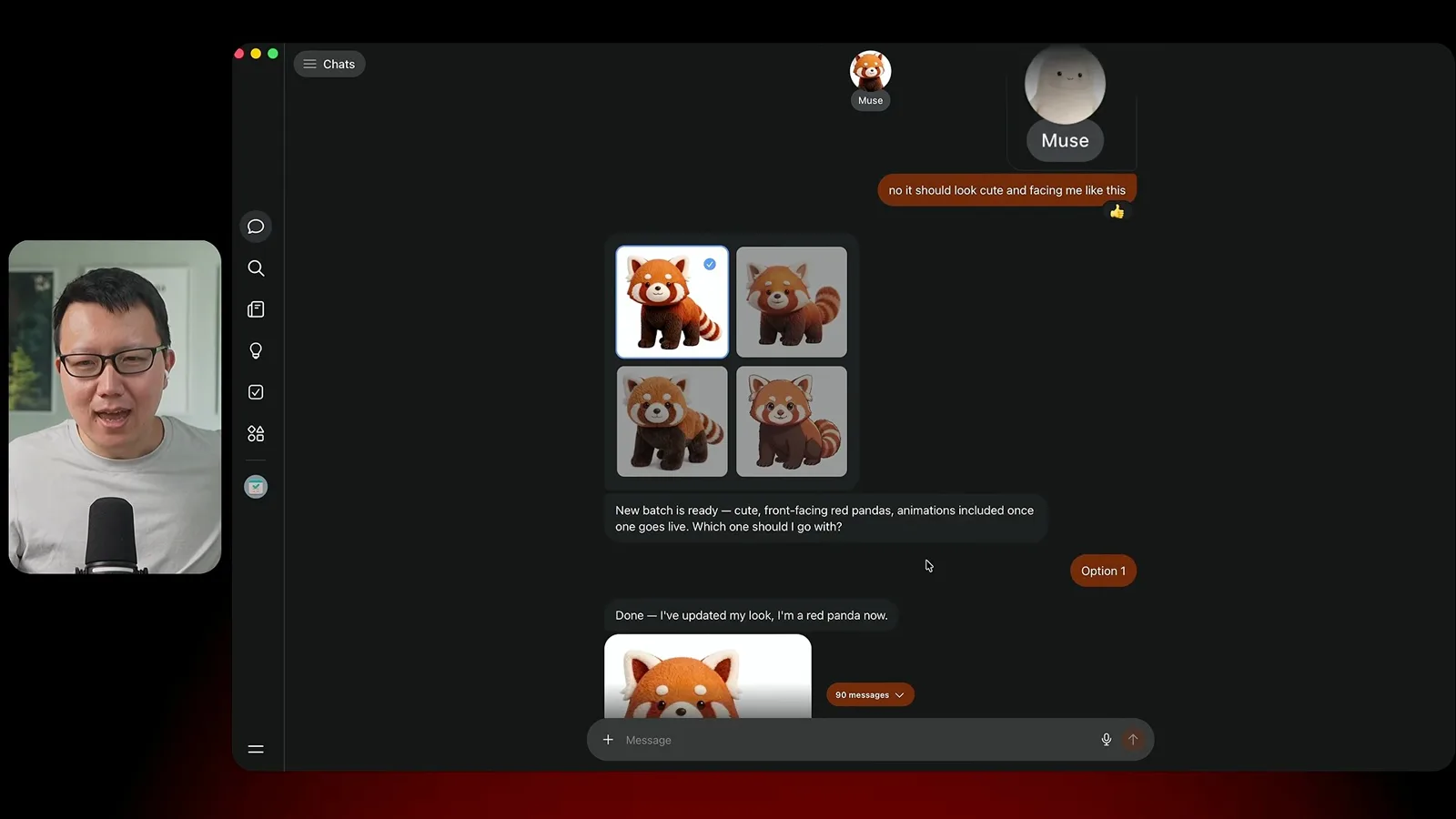
- 2The avatar was customizable, with a limitHe changed it to a red panda but could not add extra animations to the profile.
- 3Marketplace search and outreachThe agent found listings and could prepare a seller message, with confirmation before sending.
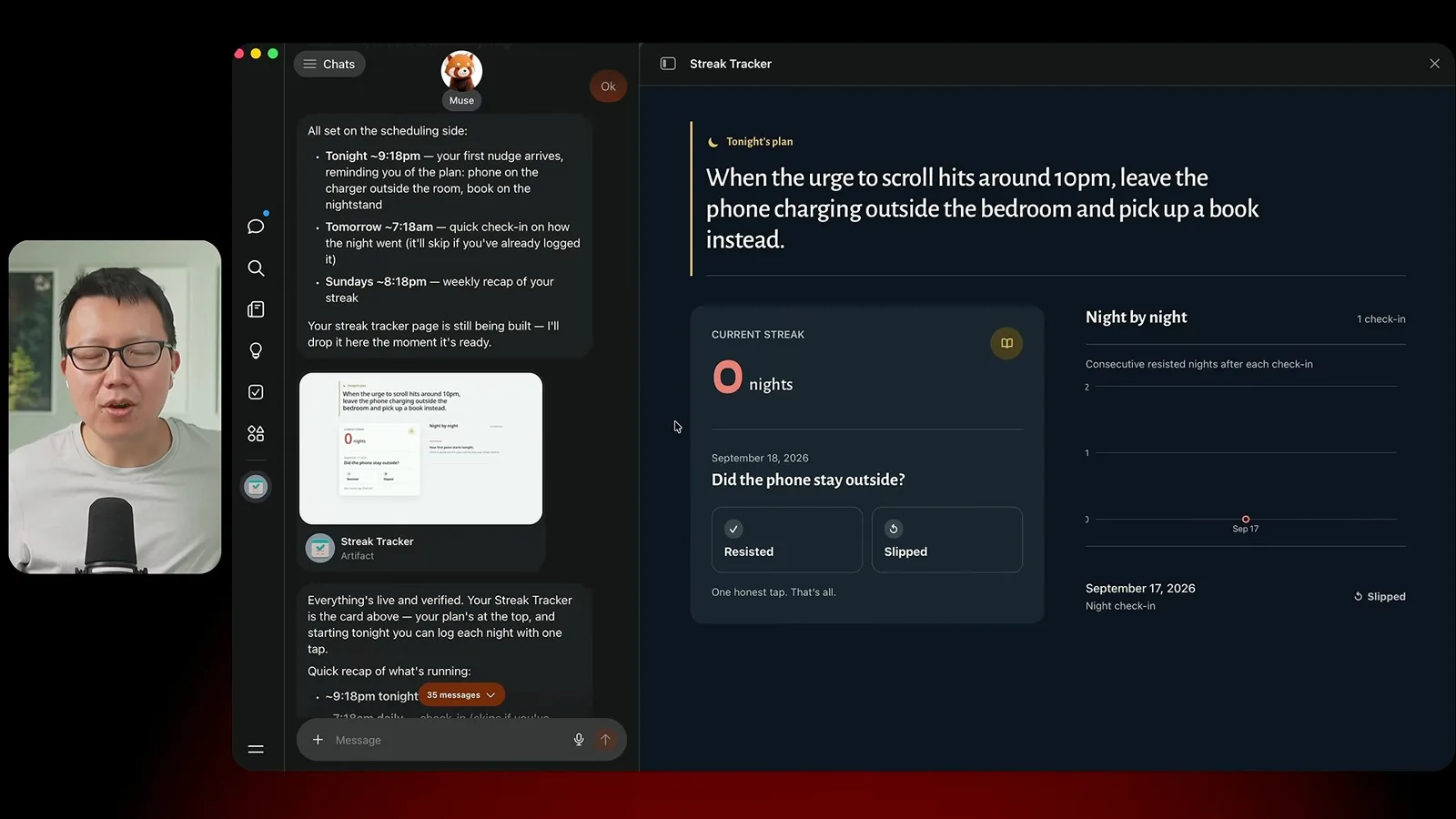
- 4A habit tracker records progressReminders and a streak display support his phone-free bedroom goal, but he reports initial setbacks.
- 5Treat shopping research as a starting pointThe shaver comparison relied on retailer listings; Yang wanted independent reviews too.
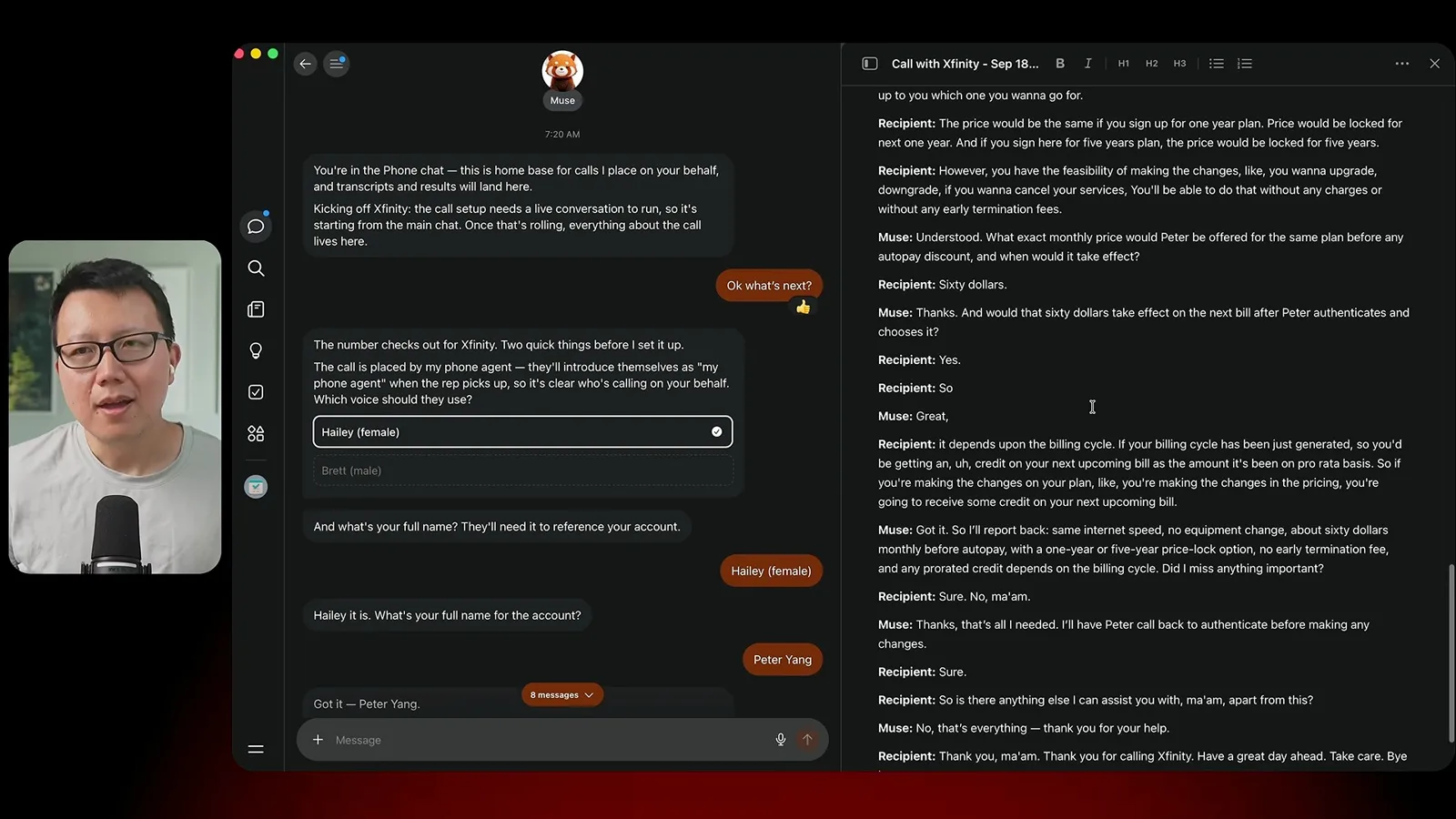
- 6The cable discount was not yet activatedMuse obtained an offer by phone while identifying itself as an agent; the provider requested that Yang authenticate and complete the change.
ポイント
- Yang reports an activated $40 monthly phone discount after switching the payment method; its annual value assumes the discount persists.
- The Xfinity call surfaced a possible discount, but the transcript says the account holder must call back and authenticate.
- Muse helped search Marketplace and prepare seller outreach; Yang describes a confirmation step before sending.
- A personalized feed and habit tracker reflect his preferences, while the habit itself remained a work in progress.
- A shopping comparison based on retailer listings was a starting point, and Yang wanted independent reviews.
チャプターごとに整えた全文を読む
A personal agent and phone bill
Yang introduces Muse and an activated autopay discount.
Peter Yang demonstrates Meta’s Muse personal agent across bills, messages, shopping, a news feed, habits and local activities. He calls it his favorite personal agent at the time, a subjective assessment based on his own use.
For his AT&T phone account, Muse identifies an autopay discount for switching from a credit card to a bank account. Yang says he enters the bank and routing details himself and enables the change. He reports a $40 monthly reduction across four lines, or about $480 per year if the discount continues.
Avatar, messaging and Marketplace
He explores personalization, connected messages and shopping.
Yang customizes Muse’s avatar into an animated red panda. He can select a generated appearance, but his attempt to add additional custom animations to the profile runs into a limitation. He likes the personalization despite that failure.
Muse checks messaging services for items needing follow-up and asks to connect other accounts. Yang says his Instagram and Threads messages mostly contain spam in this example. He likes a scheduled digest for multiple messaging apps, though his attempt to connect Linear does not work.
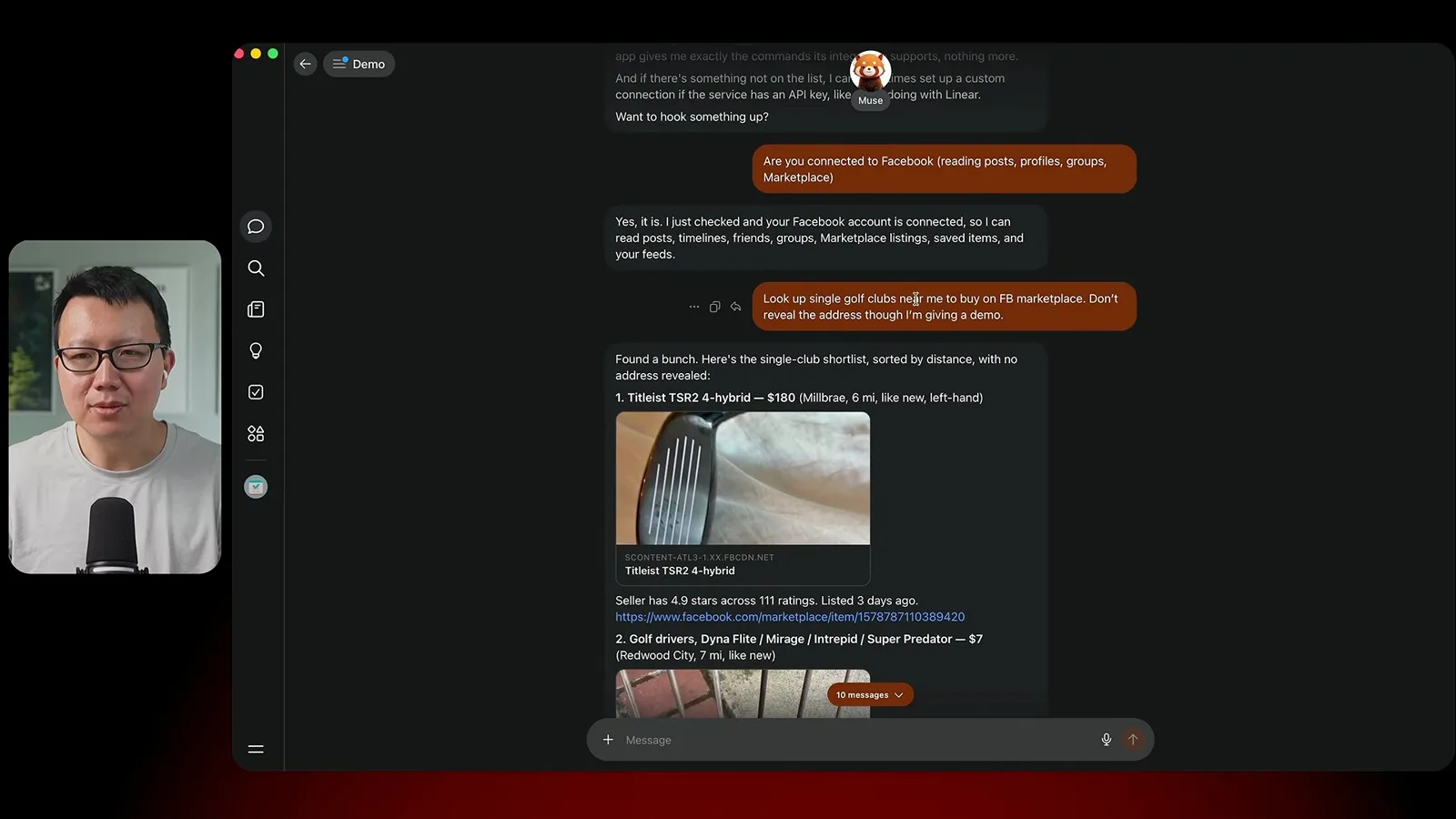
For Facebook Marketplace, he asks the agent to find nearby golf clubs and describes how it could help list his old phone. He also demonstrates asking it to contact a seller, with a confirmation before sending. Search results, availability and any transaction terms still require review.
News, habits and ideas
A personal feed, habit tracker and shopping comparison.
Yang asks for a personalized morning feed covering AI news and his projects. He likes being able to skim it and open stories for more detail. He describes the feed as ad-free in his test; future advertising is his speculation, not a product announcement.
To change a bedtime habit, Yang asks for help leaving his phone outside the bedroom. Muse sets reminders and builds a tracker for daily check-ins and streaks. Yang reports that his first attempts have not gone well, so the display is a record of an ongoing experiment, not proof the habit has changed.
An Ideas tab proposes tasks based on his conversations. Yang tries a side-by-side electric-shaver comparison; he finds the retailer-based list a useful start but wishes it had consulted independent review sites. He also browses suggestions for local activities and planning.
Local plans and an internet bill
A call reveals a possible offer that still needs user authentication.
For an anniversary outing, the agent finds events and a nearby dinner option. Yang discusses asking it to book tickets but does not show a completed purchase in this example. He also suggests a recurring weekend scout for local events.
Yang then has Muse call Xfinity to ask about his internet bill. The agent identifies itself as calling on his behalf and receives information about a possible promotional price and autopay discount. The transcript says Yang must call back and authenticate before any change is made.
Although Yang opens with a claim of more than $800 in annual phone and cable savings, the shown evidence supports an activated $480 annualized phone discount and a separate potential cable offer requiring his follow-up. The actual total depends on the offer being accepted and remaining in effect.
Yang’s verdict
He shares his personal tool choices and views on Meta.
Yang concludes that Muse is strongest for his personal tasks and describes using other tools for work. He speculates about Meta’s distribution and stock prospects; these are his opinions, not evidence of future adoption or investment returns. Calling access in his case followed a request to the product team, so availability may differ.
同じチャンネルの記事
 46:40EN
 Peter Yang· 2026年11月8日ポッドキャスト · 2 人Ashley Alexander: How AI Helps Me Care for My Parents With Cancerゲスト Ashley Alexander · ホスト Peter YangA caregiver uses AI to prepare for appointments, organize records and ask better questions—while keeping doctors at the center of treatment.
 17:50ENPeter Yang· 2026年11月4日ポッドキャストPeter Yang’s Five Steps for Using AI to Help Care for His MotherYang uses a shared care brief and organized records to navigate appointments, while making time for family.
 15:03ENPeter Yang· 2026年11月3日ポッドキャストHow Peter Yang Used an AI Phone Agent to Negotiate His Internet BillAn AI call negotiated a lower price and faster service, but Yang still had to approve the change himself.
 33:09ENPeter Yang· 2026年11月1日ポッドキャスト · 2 人Jaclyn Konzelmann: When AI Can Build More, Choose What Deserves to Existゲスト Jaclyn Konzelmann · ホスト Peter YangGoogle Labs pairs short strategy documents with prototypes, user co-creation and lessons from experiments that end.
 13:05ENPeter Yang· 2026年10月28日ポッドキャストPeter Yang Tests Genie 4: Convincing Worlds, Unfinished GameplayFive live demonstrations show scenes that respond to prompts and sound, alongside inconsistent actions and limited game mechanics.
 1:06ENPeter Yang· 2026年10月26日ポッドキャストPeter Yang on Setting Up Payroll for a One-Person BusinessIn a paid partnership, Yang describes the paperwork he encountered and a payroll product integrated with a business account.