En 30 secondes
Dennis Prager gives his conservative interpretation of the 2026 midterms and urges supporters not to despair. He and the host discuss inflation, political priorities, the Iran conflict and Hispanic voters. The interview includes disputed political claims and broad generalizations that are attributed to the speakers.
- 1Prager’s interpretationHe views the result as a setback for conservative priorities.
- 2Economic explanationsHis claims about inflation and housing are political interpretations of complex issues.
- 3Iran and election costsThe host questions the conflict’s costs; Prager defends US action.
- 4Immigration messagingBoth speakers discuss fear among some Hispanic families.
À retenir
- Prager regards the result as a setback for conservative priorities.
- He praises Trump’s record while acknowledging low approval and other difficulties.
- The host highlights immigration-enforcement messaging and fear among some Hispanic families.
- Both speakers discuss the costs and political impact of the Iran conflict.
- Prager urges supporters to remain politically engaged.
Lire le texte remanié, chapitre par chapitre
A conservative reaction
Prager and the host discuss this aspect of the election and its political implications. The conversation presents their views.
Dennis Prager responds to the 2026 midterm elections in conversation with a PragerU host. He presents a conservative interpretation of the result, discusses the administration’s record and urges listeners not to despair.
Prager opens with a comparison between European unrest and the US election. He characterizes Democratic gains as a threat to the country and argues that socialism has gained influence within the party. These are his political judgments, not established descriptions of every Democratic candidate or voter.
He argues that young voters lack knowledge of the history of socialism and communism. This is his explanation for their voting choices; the interview does not establish a single cause for an entire age group’s behavior.
Inflation, immigration and foreign policy
Prager and the host discuss this aspect of the election and its political implications. The conversation presents their views.
Prager acknowledges what he sees as flaws in Donald Trump while praising the president’s record. He attributes inflation largely to the previous administration and argues that housing affordability has been affected by immigration.
Those economic explanations are contested and incomplete: inflation and housing prices reflect multiple factors, and the interview does not provide evidence for his sweeping claims about monetary expansion or immigrants’ housing purchases.
He praises the administration’s border enforcement and contrasts immigration policy with household concerns about food prices. He argues that voters should also weigh social and cultural issues.
Prager defends US military action against Iran as a way to prevent nuclear proliferation. His characterization of the conflict and its effects is a political argument; the interviewer later questions its costs and electoral consequences.
He argues for an active US international role, saying a retreat from global leadership would leave space for other powers. He also praises the administration’s actions concerning Venezuela.
Voters and ballot measures
Prager and the host discuss this aspect of the election and its political implications. The conversation presents their views.
Prager cites young voters’ support for Democrats and discusses the party’s gains in Texas. The Associated Press reported a substantial shift among Latino voters in the midterms, though individual voters’ motivations differ. Source: https://apnews.com/article/a65181f2be4d2f4b66cb45343f1627c2
On California ballot measures, he supports voter identification and opposes a proposed billionaire tax. He and the host interpret the reported results as evidence of political division; their arguments do not settle the policy debates over access or taxation.
Party direction and political boundaries
Prager and the host discuss this aspect of the election and its political implications. The conversation presents their views.
Prager strongly criticizes Michigan’s Abdul El-Sayed and questions the direction of the Democratic Party. His accusations about the politician’s beliefs and motives are his own claims; the interview does not present El-Sayed’s response.
He invokes conservative writer William F. Buckley Jr. to argue that political coalitions should set boundaries. He questions the meaning of a broad party coalition when its members disagree on fundamental issues.
A case against despair
Prager and the host discuss this aspect of the election and its political implications. The conversation presents their views.
Despite his disappointment, Prager says the election is not the end of the political contest. He notes the historical pattern of a president’s party losing ground in midterms and urges listeners to remain engaged.
Prager describes continuing to speak publicly after a serious accident and recalls the phrase “this too shall pass.” He presents persistence and community as reasons to avoid despair.
He argues that voters should consider party ideas and values, not only a candidate’s personality. He says the Republican Party is closer to his own priorities; the host then asks whether Trump’s actions and approval rating contributed to the outcome.
What contributed to the result?
Prager and the host discuss this aspect of the election and its political implications. The conversation presents their views.
Prager acknowledges low presidential approval and says the Trump family’s cryptocurrency involvement did not help. He also argues that expectations of the president had been unrealistically high.
The interviewer asks whether the Iran conflict’s costs hurt Republicans. Prager says it contributed, but defends the military action and argues that the administration needed to make its case more effectively.
The host suggests that immigration-enforcement messaging was especially consequential among Hispanic voters. She describes fear among some people and families with legal status; Prager agrees that enforcement and its presentation mattered.
Voters, religion and participation
Prager and the host discuss this aspect of the election and its political implications. The conversation presents their views.
Asked about Muslim voters, Prager makes broad claims about Muslims and political intentions. These generalizations are his opinion and do not describe the beliefs or aims of Muslims as a group.
The host raises turnout among conservative Christians, and Prager says he would like to understand why some do not vote. They close by encouraging supporters to stay involved and announcing future PragerU events.
Sur la même chaîne
 18:09EN
 PragerU· 7 nov. 2026Owen Anderson Discusses His ASU Training LawsuitShabbos Kestenbaum, Owen Anderson · PragerUThe professor describes his challenge to diversity training and a separate dispute over his courses; ASU disputes his discrimination allegations.
 10:18ENPragerU· 6 nov. 2026Midterm Results, Data Centers and Manufacturing: The Wrap UpPragerU reviews election results, local data-center concerns, manufacturing indicators and a toddler snack recall.
 1:09:46ENPragerU· 1 nov. 2026Rob McCoy and Shabbos Kestenbaum on the Ten Commandments, Family and FaithShabbos Kestenbaum, Rob McCoy · PragerUA Christian pastor and an Orthodox Jewish host discuss the religious meaning of the commandments and their application to family, community and public life.
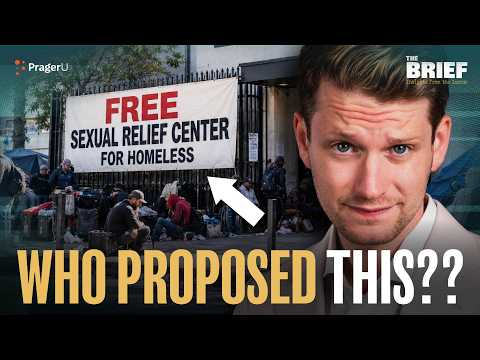 17:42ENPragerU· 31 oct. 2026Tanya Tsikanovsky on Homelessness and Local Politics in West HollywoodShabbos Kestenbaum, Tanya Tsikanovsky · PragerUThe City Council candidate discusses housing, immigration and identity after a public comment at a Los Angeles council meeting.
 11:39ENPragerU· 31 oct. 2026Minnesota Polling Charges, Brazil’s Election and the AI Investment BoomAri · PragerUThe Wrap-Up surveys charges against two activists, Flávio Bolsonaro’s departure from Brazil, technology employment and a Texas school’s tribute.
 36:59ENPragerU· 30 oct. 2026Dennis Prager on Brazil’s Election, Political Conflict and Audience QuestionsMarissa Streit, Dennis Prager · PragerUPrager and Marissa Streit discuss elections, protests and cultural questions, then respond to listeners on family and history.