En 30 secondes
Matthew Berman surveys Meta’s AI releases, new applications and risks, language models using APIs, and Google’s RT-2 robotics research. He closes with excitement about the then-unverified LK-99 superconductivity claim; subsequent research attributed reported anomalies to an impurity rather than superconductivity.
- 1Refusals and open weightsBerman shows examples in which Llama 2 refused benign questions while an uncensored variant answered. These examples illustrate a specific failure mode, not a comprehensive comparison of model quality.
- 2The open-source disputeThe Open Source Initiative challenged Meta’s description of Llama 2 as open source, citing licensing restrictions on very large services.
- 3FraudGPT and synthetic influencersBerman cites a report of a subscription tool marketed for cybercrime and raises concerns about the possible social effects of AI-generated influencers.
- 4Models that use APIsGorilla explores generating API calls and adapting to documentation changes. Berman imagines a general model coordinating specialized systems, a prediction rather than a demonstrated AGI architecture.
- 5RT-2 links language and actionGoogle’s research connects visual and language understanding with robot actions and explores generalization to new tasks.
- 6LK-99 in historical contextBerman presents a 2023 claim of room-temperature superconductivity as exciting but still under review. Subsequent research found that copper sulfide impurities could explain the reported anomalies.
À retenir
- Llama 2 variants illustrated concerns about unnecessary refusals, while its license drew criticism from the Open Source Initiative.
- Audio generation, video summaries and programming answers were among the 2023 AI applications Berman highlighted.
- Berman speculated that general models might orchestrate specialized tools, though tool use does not establish AGI.
- Google’s RT-2 explored translating vision and language into robot actions and generalizing to tasks.
- LK-99 was an unconfirmed claim in the video; later experimental research found an impurity could account for its reported anomalies.
Lire le texte remanié, chapitre par chapitre
Meta chatbots and Llama 2
Berman discusses reported plans for AI personas and examples of Llama 2 refusals. He also explains the debate over whether its license qualifies as open source.
This week’s AI news ranges from Meta’s model releases and robots to new tools and a worrying cybercrime product. I also want to discuss an extraordinary claim about superconductivity, although it was still awaiting verification when this video was made in August 2023.
Meta was reportedly preparing AI chatbots for its social platforms, with different personas such as a surfer offering travel advice or a bot speaking like Abraham Lincoln. The reported goal was to increase engagement across its products.
Several uncensored Llama 2 variants had also appeared. In examples from Ollama, the standard model refused harmless prompts about a movie, spicy mayonnaise, and a hypothetical boxing match, while the modified version answered. I find these refusals frustrating: safety behavior can interfere with ordinary questions, although a handful of examples cannot establish that one model is generally better.
There is also a dispute over calling Llama 2 open source. The Open Source Initiative argued that Meta’s license imposes restrictions inconsistent with the open-source definition. In particular, a separate license is required when the licensee and its affiliates had more than 700 million monthly active users in the preceding month at the time of release.
Meta released AudioCraft for generating audio from text prompts. It presents possible uses such as helping musicians explore compositions and giving independent game developers an affordable way to create sound effects and ambient audio.
AudioCraft, catalysts, and AI products
Meta’s audio generation and materials research are followed by YouTube video summaries and Stack Overflow’s programming tools. Berman distinguishes creator-written descriptions from generated summaries.
Meta was also reported to be working on labels for AI-generated content and message summaries. Its Open Catalyst demo applies AI to simulations of catalyst reactivity, with a claimed thousandfold speedup over existing computational approaches for that research task—not a blanket claim about every materials-science calculation.
YouTube was experimenting with AI-generated video summaries to help viewers decide what to watch. These would not replace creators’ descriptions. I wonder where the balance lies between giving viewers useful information and giving them so much that they no longer watch.
Stack Overflow, meanwhile, was introducing OverflowAI to use its programming knowledge base to provide answers. I have found myself asking ChatGPT about coding errors instead of going first to Stack Overflow, so I am interested to see how a service that has helped developers for years adapts.
FraudGPT and virtual influencers
A reported cybercrime service and AI-generated social media personalities raise different questions about misuse and disclosure. Berman offers his own concerns about the latter’s potential effects.
A report described FraudGPT as a subscription service marketed for offensive purposes, including spear-phishing messages and other cybercrime-related work. The reported price was $200 a month. I am struck that the subscription software business model has reached even this corner of the internet.
AI-generated influencers were also gaining followers and brand deals. I worry that idealized images with no physical limits could intensify the pressures already created by manipulated social media pictures. That is my concern, not a measured mental-health finding; labels for generated content could help people recognize what they are seeing.
Models can increasingly use tools through API calls. I recently reviewed Gorilla, which aims to help a model use APIs and adapt when documentation changes. ChatGPT already had plugins, but the interesting direction is helping models work with tools they were not individually programmed to use.
API tools and a synthetic robot video
Berman considers how models could call tools and coordinate specialized systems. He then shows an edited combat-sports clip in which a robot has been substituted for a person.
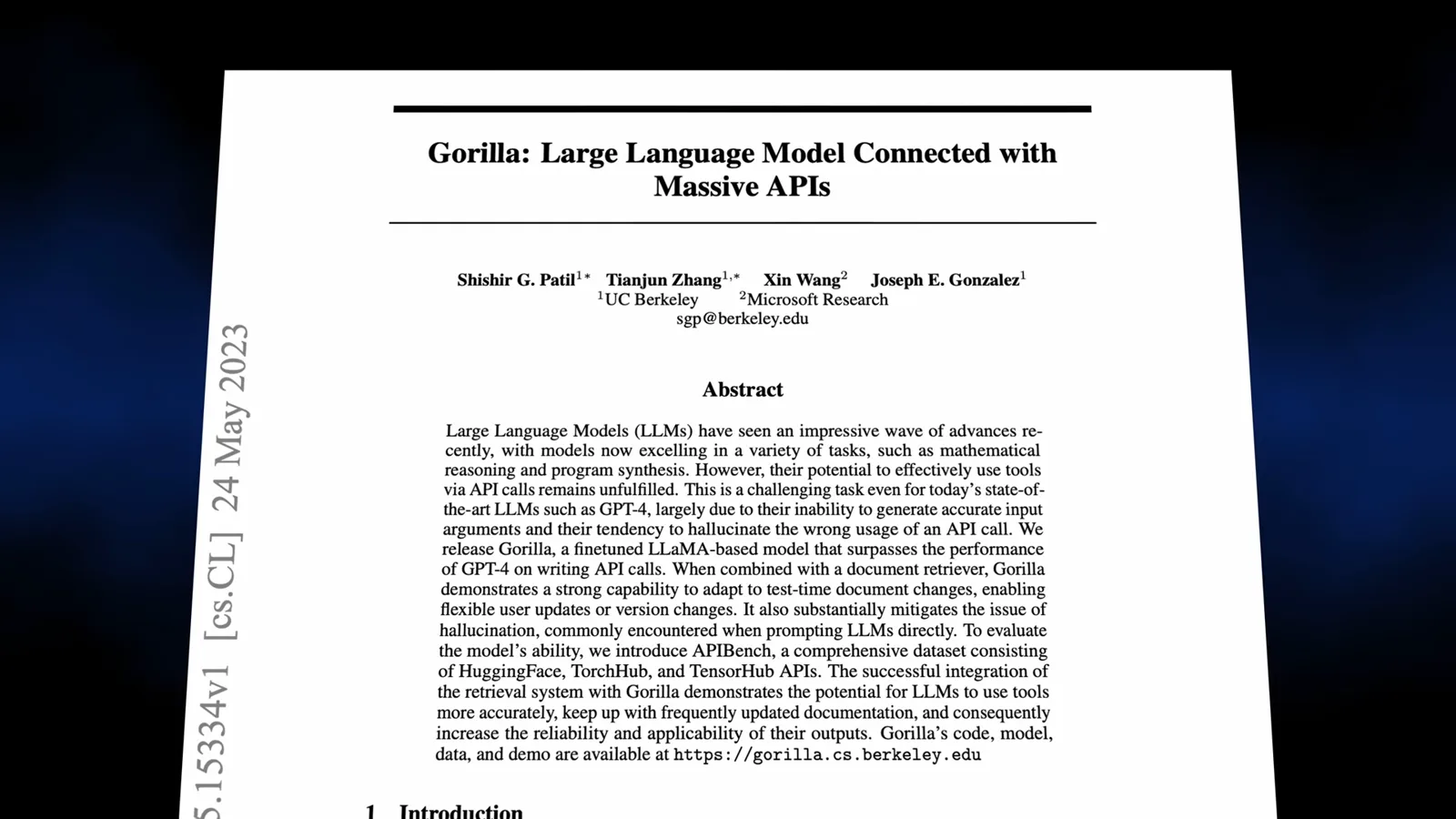
I can imagine a general model orchestrating specialized models and asking each for help on its area of expertise. In my view this could be part of a route toward AGI, though that is a prediction, not evidence that these tools have already achieved it.
My AI-generated video of the week shows what looks like a robot competing in Power Slap. It is not real: someone used Wonder Dynamics to replace a human participant with a robot in existing footage. The result is convincing enough to illustrate how synthetic video can alter a scene.
Google RT-2 and LK-99
RT-2 connects visual and language models to robotic actions. Berman closes with the contemporaneous LK-99 claim, which later evidence did not substantiate.
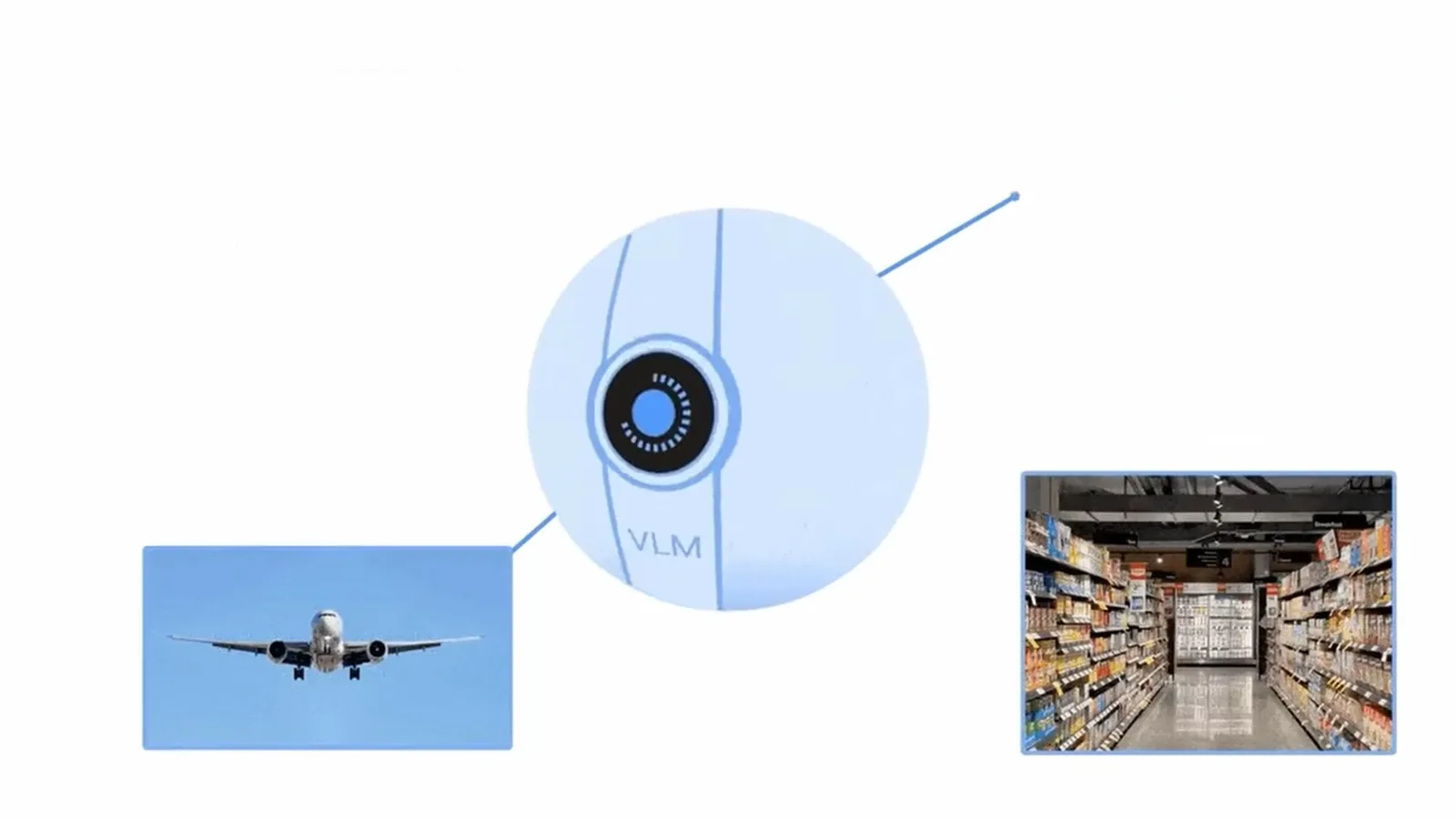
Google’s RT-2 research brings vision and language models into robotics, translating learned concepts into actions in the physical world. Berman highlights its ability to generalize across tasks and use more complex reasoning prompts. These are research demonstrations of particular robotic capabilities, not proof of general intelligence.
The final story is LK-99. In 2023, researchers claimed that the material could superconduct at room temperature and ambient pressure. At the time I found the possibility exciting, while the claim remained under review and required independent verification.
I imagined possible consequences such as longer-lasting batteries, better electric vehicles and cooler chips. A superconductor can carry direct current without electrical resistance under suitable conditions, but that alone would not remove all heat or losses from a complete device, nor guarantee the specific improvements I speculated about.
Later evidence changed the picture: a November 2023 replication study reported that the electrical and magnetic anomalies attributed to LK-99 could arise from a structural transition in copper sulfide impurities, not superconductivity. The original room-temperature superconductivity claim was not established. See the researchers’ [study](https://arxiv.org/abs/2311.03558).
Sur la même chaîne
 34:21EN
 Matthew Berman· 27 oct. 2026Matthew Berman Examines Anthropic’s IPO Filing, AI Growth and GovernanceMatthew Berman, Sam Altman · Forward FutureThe presenter reviews the S-1’s financial metrics, compute strategy and voting structure while questioning the tension between rapid AI development and safety.
 25:50ENMatthew Berman· 24 oct. 2026Kimi K3.1 Pro Tested: Strong 3D Demos, Uneven Results and Competitive PricingMatthew Berman · Forward FutureMatthew Berman tests the open-weight model on coding, 3D rendering and visual explanations, then compares benchmark results and prices.
 32:20ENMatthew Berman· 23 oct. 2026Who Is Local AI For? The Costs, Trade-offs and a Hybrid FutureMatthew Berman · Forward FutureMatthew Berman weighs data control and independence against hardware cost, setup complexity and inference speed.
 1:03:37ENMatthew Berman· 23 oct. 2026Matthew Berman’s Team Tests Kimi K3.1 on Animation, Games, and ChartsMatthew Berman, Alex, Brian · Forward FutureA live team AMA turns into an informal test of Kimi K3.1, from personal-agent workflows to motion graphics, a browser game, and a benchmark chart.
 0:53ENMatthew Berman· 22 oct. 2026Sam Altman on AI and the Discovery of New KnowledgeSam Altman · OpenAIAltman expects progress in mathematical discovery to extend to biology, materials and energy.
 0:22ENMatthew Berman· 21 oct. 2026A Robot Bodyguard Video Shows Dramatic Rescue ScenariosMatthew Berman · Forward FutureMatthew Berman reacts to a short robot demonstration depicting fighting and vehicle-rescue scenarios.