En 30 secondes
In June 2026, Matthew Berman highlights twelve AI projects and explains the workflow each targets. His tour covers agent-based video production, research, cybersecurity and coding, as well as OCR, skill scanning, video editing and voice. The video is a curated introduction, not an independent evaluation of the projects' performance or security claims.
- 1Video production with agentsOpenMontage coordinates production tasks; Hyperframes turns web-based animations into video; Palmier Pro offers a Mac editor with agent integration.
- 2Agents for longer tasksDeerFlow combines subagents, memory, sandboxes and skills, while Hermes is presented as another configurable agent option.
- 3Security and skill inspectionA cybersecurity skills collection supplies defensive frameworks; NVIDIA's SkillSpector is designed to identify risky patterns before skills are installed.
- 4Better coding context and processCodebase Memory MCP indexes code structure, while Matt Pocock's skills and gstack encode engineering workflows.
- 5Documents and voiceBaidu's Unlimited-OCR demonstrates page recognition and positioning; Voicebox combines speech output and transcription, including local-model options.
À retenir
- OpenMontage, Hyperframes and Palmier Pro approach AI-assisted video production in different ways.
- DeerFlow and Hermes provide agent frameworks, while coding-oriented skills and MCP tools add workflows or codebase context.
- Unlimited-OCR targets document recognition and layout, and Voicebox brings speech generation and transcription into a single interface.
- SkillSpector scans agent skills for potential risks, but a scan cannot guarantee safety.
- Stars, platform support and performance figures reflect the video’s June 2026 snapshot, not independently verified results.
Lire le texte remanié, chapitre par chapitre
OpenMontage and DeerFlow
Berman introduces agent-assisted video production and a framework for longer-running research tasks.
I have collected twelve open-source AI projects across video, coding, security, documents and voice. These are introductions to tools worth exploring; their GitHub popularity and the performance figures I cite are a snapshot from June 2026, not independent tests.
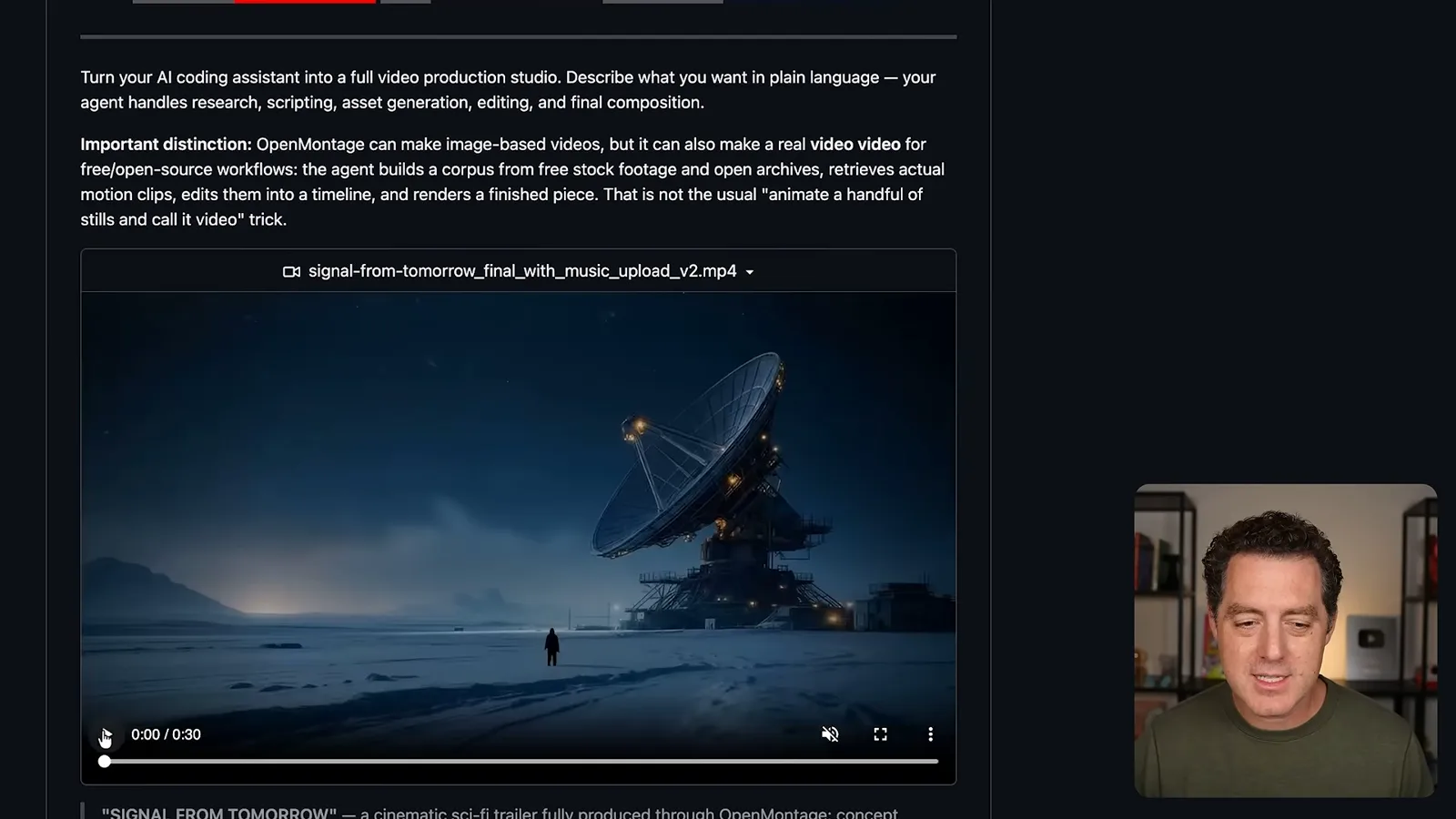
OpenMontage aims to turn a coding agent into a video production team. Give it a plain-language idea and it coordinates research, scripting, assets, editing and composition. The example is a science-fiction trailer with generated motion clips and soundtrack, composed with Remotion; the project also describes workflows for explainers, screen demos, animation and other formats.
ByteDance's DeerFlow is an agent framework for longer tasks. It combines subagents with memory, sandboxes, tools and extensible skills. Examples described in the video include data pipelines, slide decks, dashboards and content workflows; Berman suggests it as another framework to experiment with alongside other agent systems.
Cybersecurity skills and Hyperframes
A skills collection applies security frameworks to agent work, while Hyperframes converts web-based animations into video.
The Anthropic Cybersecurity Skills repository packages cybersecurity frameworks and techniques for agents that support skills. Berman suggests using it to help examine and improve a codebase's defenses. He mentions MITRE ATT&CK and NIST among the frameworks and notes that he is not a cybersecurity specialist; having the skills does not itself establish that a system is secure.
HeyGen's Hyperframes takes HTML, CSS, media and seekable animation and renders them as MP4 video. Berman points to product demos, slides and motion graphics as possible uses. It uses Chrome and FFmpeg and can work with animation libraries, turning web-oriented composition into a video production workflow.
Code intelligence and engineering skills
Codebase Memory MCP, Matt Pocock's skills and gstack address code navigation and structured development workflows.
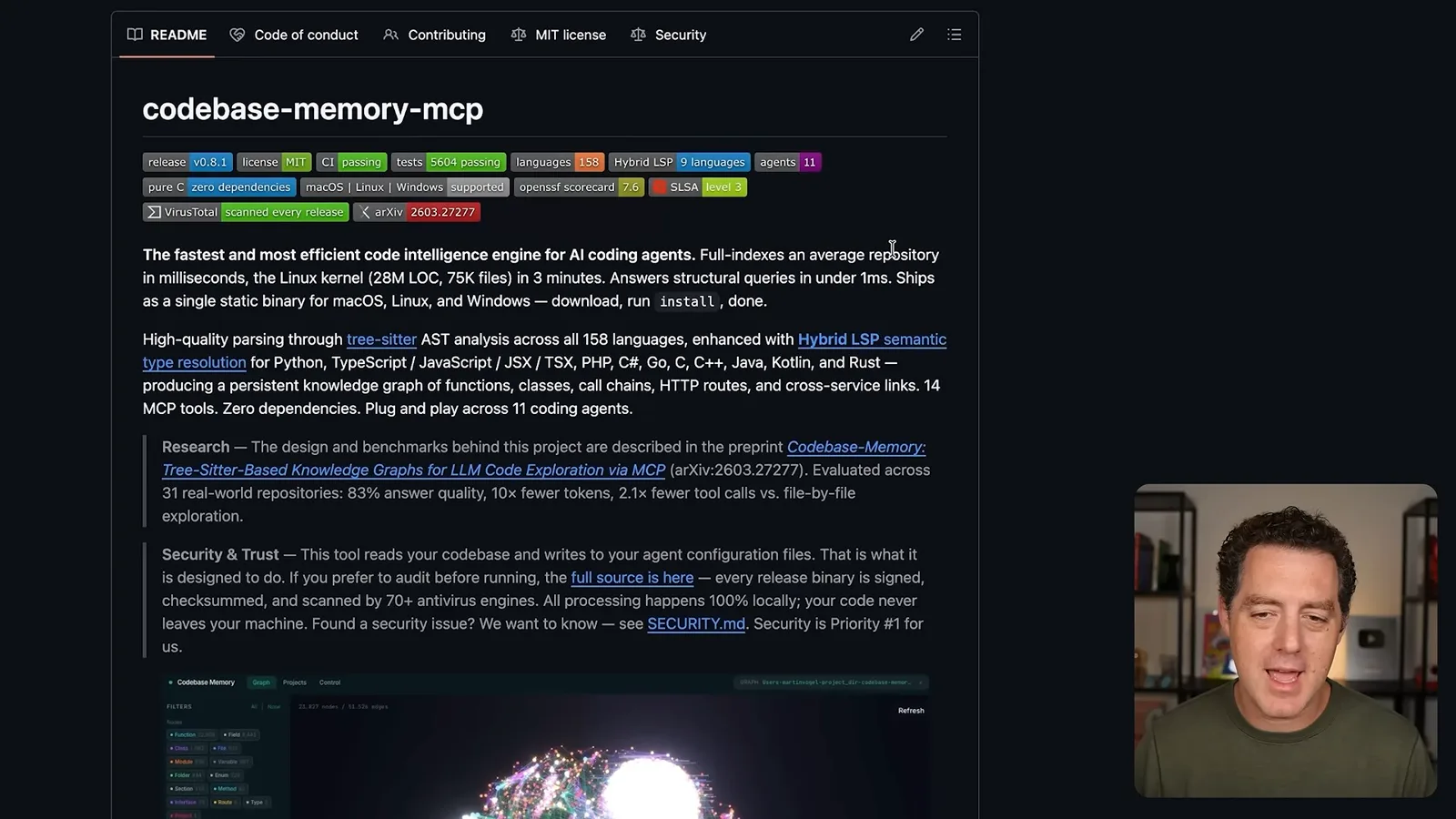
Codebase Memory MCP is intended to give coding agents structural knowledge of a repository. Its project page claims fast indexing, support for many languages and lower token use; Berman also points to a three-dimensional code graph. Those are project claims rather than measurements he independently runs in the video.
Matt Pocock's skills package development practices as instructions for an agent. Berman highlights an 'Ask Matt' routing skill and a documentation-focused questioning workflow that helps refine a project's domain terminology and records. The idea is to encode an experienced developer's habits into repeatable engineering routines.
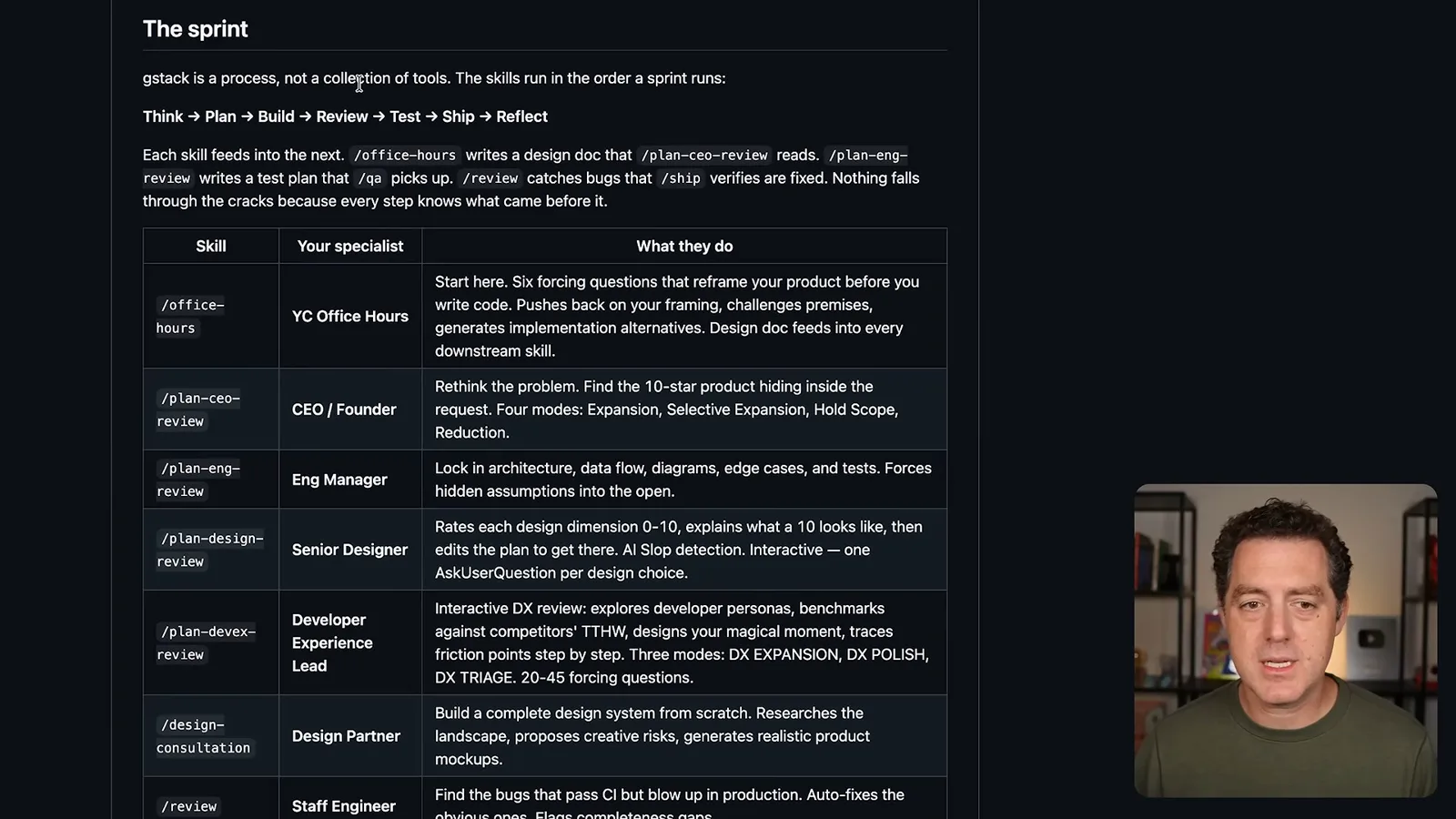
Gstack, associated with Garry Tan, organizes agent skills into a development process. Berman describes an office-hours workflow for questioning a startup idea, followed by planning, building, review, testing, shipping and reflection. The skills are meant to pass context from one stage to the next, not merely offer isolated commands.
OCR and scanning agent skills
Unlimited-OCR reads and locates document content. SkillSpector scans skills for patterns associated with security risks.
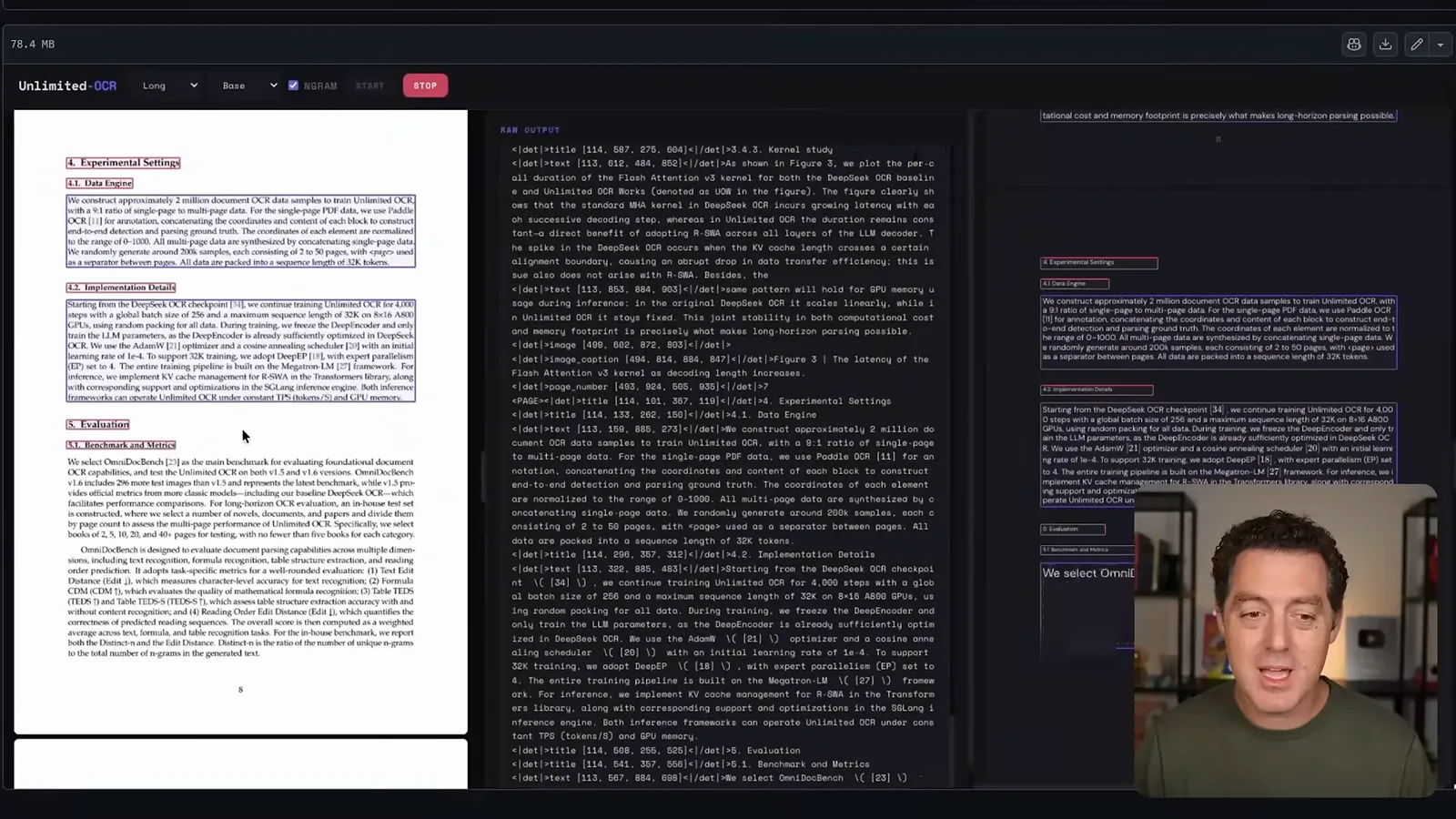
Baidu's Unlimited-OCR is an open-weight vision-language model for document recognition. The demonstration highlights passages in a research-paper PDF, showing both extracted text and where content appears on the page. Berman notes that connecting text with its correct position is harder than extracting words alone.
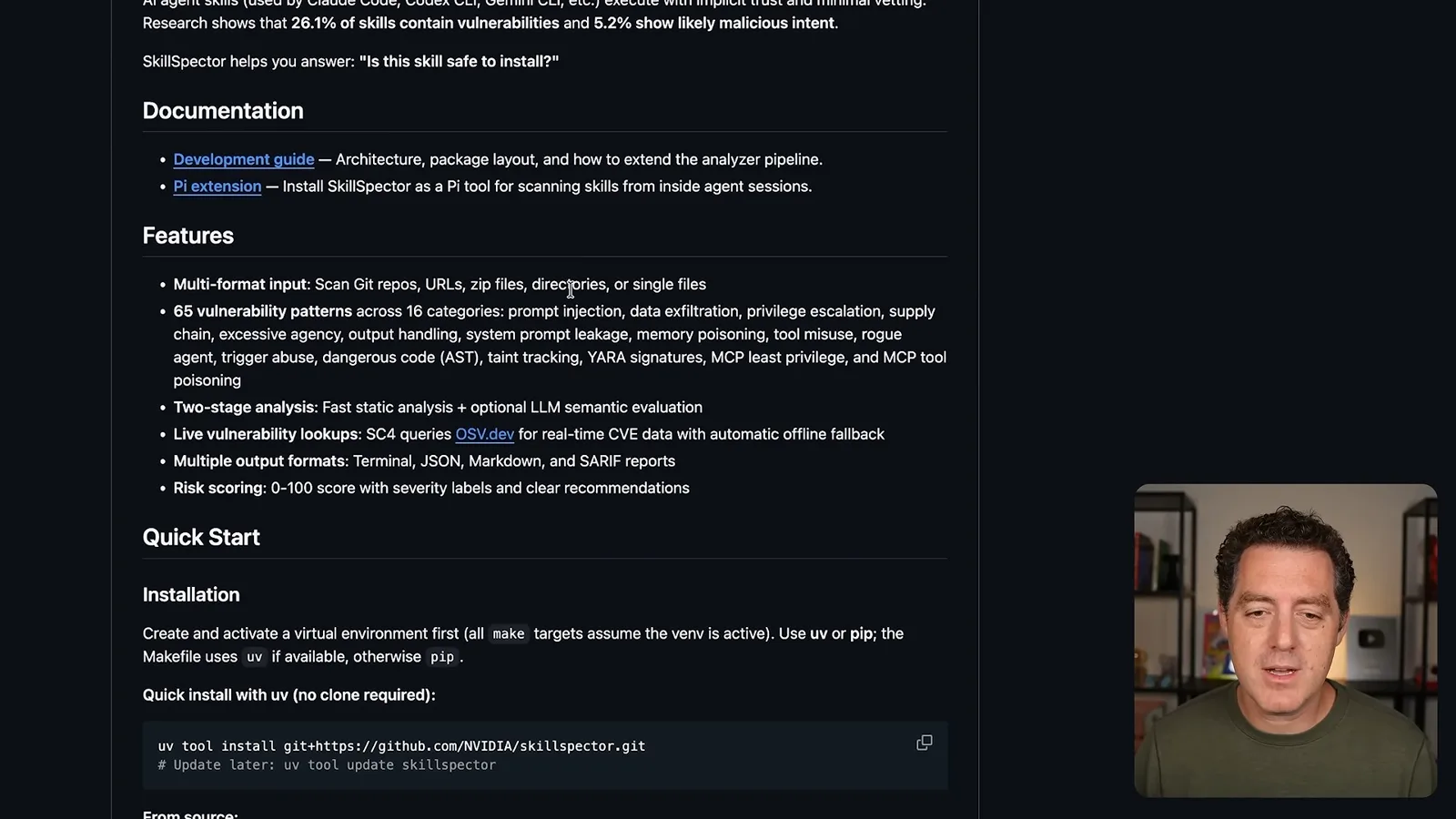
NVIDIA's SkillSpector scans agent skills before installation. The project describes checks for patterns such as prompt injection, data exfiltration and excessive permissions, across inputs including repositories, archives and files. Berman recommends inspecting skills; a scan can help surface risks but cannot guarantee that a skill is safe.
Editing, agents and local voice
Palmier Pro, Hermes and Voicebox round out the list with editing, agent and speech workflows.
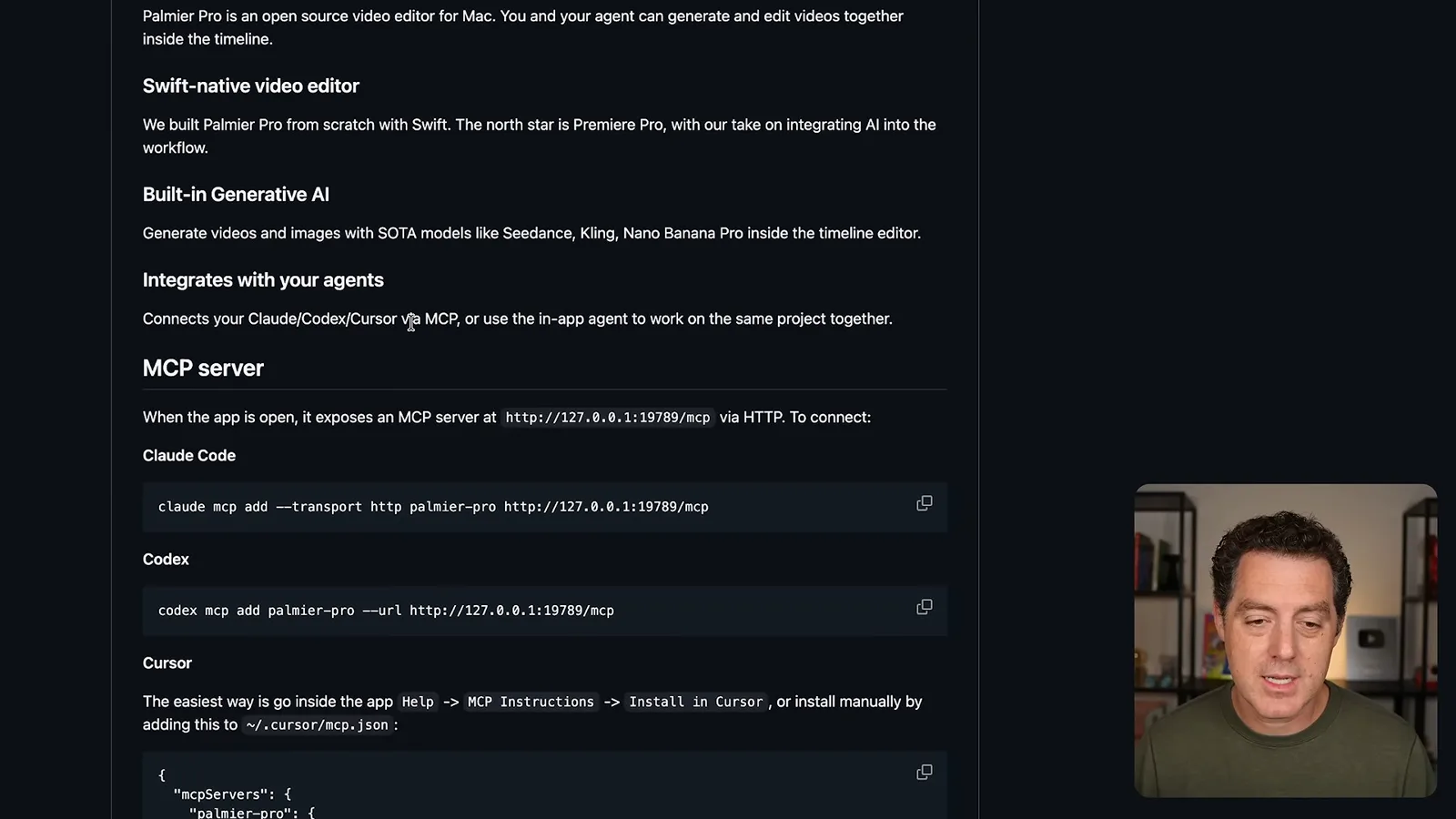
Palmier Pro is a Mac video editor that, at the time of the video, connects to agents through MCP and includes generative AI features. Berman demonstrates the idea of directing an agent to work in the editor. He describes macOS as the available platform at the time and hopes for broader support later.
Hermes Agent is another agent framework Berman presents as an alternative to OpenClaw. He highlights its emphasis on improvement over repeated use, including the project's stated ability to address failed skills. He recommends trying it while noting that a full review would require a separate video.
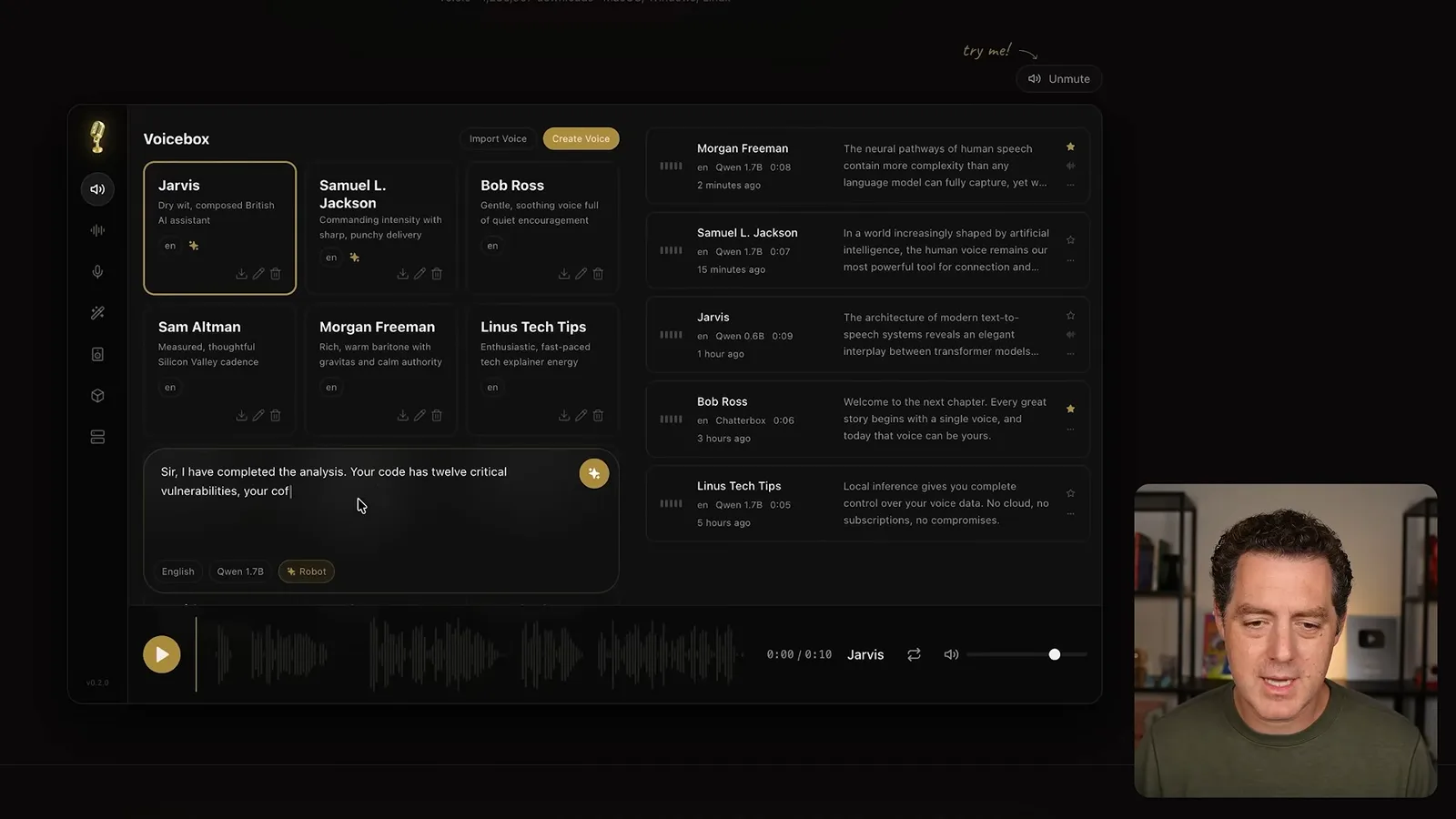
Voicebox combines generated speech and transcription, with the option to use local models. The interface shown lets users create and edit speech, use a timeline-style stories editor and apply audio effects. Berman shows a Qwen model and discusses voice cloning; use of a person's voice requires appropriate consent.
Sur la même chaîne
 25:50EN
 32:20EN
 45:08EN
 0:32EN
 12:14EN
 10:36EN