








筛选结果
7 篇排序
 2:34:20EN → 简体中文
 Lex Fridman· 2020年8月30日播客 · 2 人对谈智能,是你习得未曾准备过的技能的效率嘉宾 François Chollet · 主持 Lex FridmanFrançois Chollet 对 Lex Fridman 说,技能不等于智能,GPT-3 仍然只是在做模式匹配,而一种名为 ARC 的网格谜题,至今仍能把孩子和机器区分开。
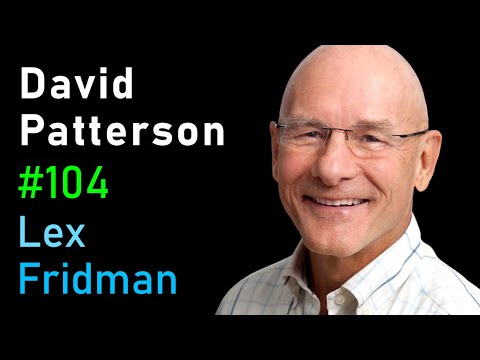 1:49:51EN → 简体中文Lex Fridman· 2020年6月27日播客 · 2 人对谈曾被斥为倒退的设计思路,如今几乎驱动着每一款新芯片嘉宾 David Patterson · 主持 Lex Fridman图灵奖得主 David Patterson 与 Lex Fridman 谈精简指令集(RISC)、RAID、摩尔定律(Moore's Law)、开放硬件,以及没有软件栈的芯片为何难以存活。
 16:03ENLex Fridman· 2020年2月22日播客 · 2 人对谈Quantum Supremacy Is a Well-Defined Speedup, Not a Useful Task嘉宾 Scott Aaronson · 主持 Lex FridmanScott Aaronson explains what Google's 53-qubit experiment actually demonstrated, how it was verified, and why complexity theory can offer evidence but not proof against classical spoofing.
 11:11ENLex Fridman播客 · 2 人对谈Yann LeCun on Benchmarks, Interactive Environments, and Why Human Intelligence Is Not General嘉宾 Yann Lecun · 主持 Lex FridmanIn a 2019 clip, LeCun defends benchmarks as a test of AI claims, explains why interactive environments break the usual train-test protocol, and argues that "general intelligence" is a misnomer.
 14:41ENLex Fridman播客 · 2 人对谈Talking for 20 Minutes: How the Alexa Prize Turns Real Customers into a Testbed for Conversational AI嘉宾 Rohit Prasad · 主持 Lex FridmanRohit Prasad, head scientist of Amazon Alexa, explains the Alexa Prize grand challenge, how it is judged and why true conversation still needs reasoning.
 16:41ENLex Fridman播客AlphaFold 2 and the Protein-Folding Breakthrough: Why Lex Fridman Calls It a Landmark for AI and Biology主持 Lex FridmanA quick explainer on DeepMind's CASP14 result, how protein folding works, how AlphaFold 1 and 2 likely differ, and what the advance could unlock.
 1:00:25ENLex Fridman播客 · 2 人对谈Can Machines Think? A Guided Tour of Turing's Test, Its Critics and Its Successors嘉宾 Turing Test · 主持 Lex FridmanLex Fridman walks through Alan Turing's 1950 paper, the objections to it, and the benchmarks that have tried to replace or extend the imitation game.