









Résultats
33 articlesTrier
 1:20:09EN
 Lex Fridman· 29 nov. 2018Podcast · 2 voixStack Overflow Was Never Designed for BeginnersInvité : Jeff Atwood · Anime : Lex FridmanOn Stack Overflow’s tenth birthday, Jeff Atwood talks with Lex Fridman about puzzles, leadership, Discourse, and why a software team’s health is how fast it can change one word.
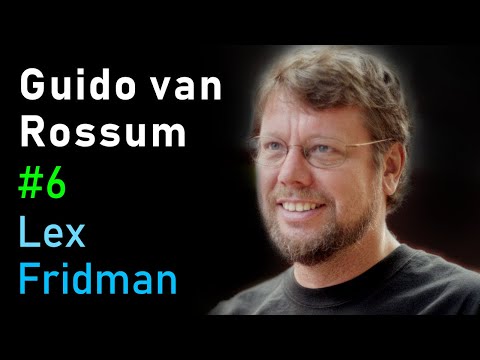 1:26:44ENLex Fridman· 22 nov. 2018Podcast · 2 voixHe raised Python like a child, then set it freeInvité : Guido van Rossum · Anime : Lex FridmanIn a 2018 conversation with Lex Fridman, Guido van Rossum traces Python from electronics kits and Conway's Game of Life to the Thursday morning he resigned as benevolent dictator for life.
 10:20ENLex FridmanPodcast · 2 voixHow C++ Is Standardized: Votes, Consensus and the Move to a Three-Year Release CycleInvité : Bjarne Stroustrup · Anime : Lex FridmanBjarne Stroustrup explains how the ISO committee works, why C++0x slipped to C++11, and how shorter cycles made C++14, C++17 and C++20 arrive on time.
 1:12:15EN
 Unsupervised Learning: With Jacob EffronPodcastThe Open-Model Vibe Check: China, Containment, and the Data MoatAnime : Jacob EffronJacob Effron and guests debate Chinese open-weight models, distillation, containment policy, the OpenAI–Hugging Face incident, and Cursor's data advantage.
 1:34:27EN
 Lenny's PodcastPodcast · 2 voixMatt Mullenweg on Open Source Ideals, the WP Engine Fight and Why Llama Isn't Really OpenInvité : Matt Mullenweg · Anime : Lenny RachitskyThe WordPress co-creator and Automattic CEO gives his side of the WP Engine dispute, explains his open source philosophy, and talks AI, community building and acquisitions with Lenny Rachitsky.
 1:47:58ENLenny's PodcastPodcast · 3 voixBridging the Divide: How Community Notes Built a Trusted Fact-Checking System on DisagreementInvité : Keith Coleman, Jay Baxter · Anime : Lenny RachitskyKeith Coleman and Jay Baxter, the team behind Community Notes, explain how the algorithm works, how a tiny team built it, and why it survived four leaders at Twitter and X.
 11:59ENLex FridmanPodcast · 2 voixFrom a Side Project to TensorFlow's Core: François Chollet on How Keras Came to BeInvité : François Chollet · Anime : Lex FridmanThe creator of Keras recalls why he built it in 2015 around recurrent networks, how it moved onto TensorFlow, and what TensorFlow 2.0 means for its design.