









Resultados
195 artículosOrdenar
 1:51:01EN
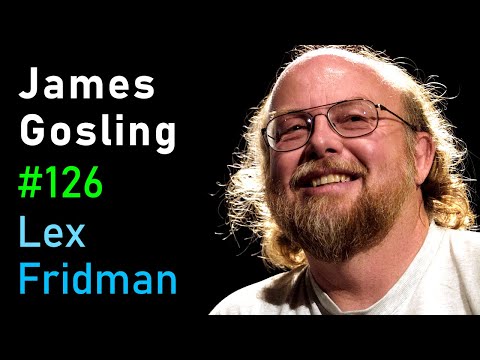
 Lex Fridman· 24 sept 2020Pódcast · 2 vocesJames Gosling Built Java to Make Pointer Bugs Impossible. Chrome Still Has Them.Invitado: James Gosling · Presenta: Lex FridmanIn a 2020 conversation with Lex Fridman, Java’s designer traces a line from a neglected PDP-8 to Emacs, the JVM, and a thirty-year war on memory errors.
 1:02:18EN
 Jane Street· 23 sept 2020Brian Nigito on Multicast and the Architecture of MarketsYaron Minsky, Brian Nigito · Jane StreetWhy exchanges use ordered event streams, multicast and specialized networking to distribute market data quickly and fairly.
 59:26ENJane Street· 17 sept 2020Andy Ray on FPGAs, Hardware Design and HardcamlYaron Minsky, Andy Ray · Jane StreetJane Street’s hardware design lead explains why programmable circuits can improve performance and how software tooling makes them easier to build and test.
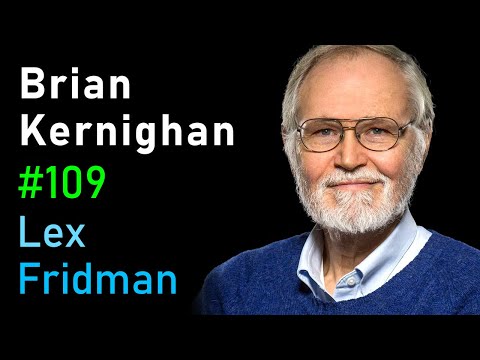 1:43:10ENLex Fridman· 18 jul 2020Pódcast · 2 vocesKen Thompson's Wife Left for Three Weeks. He Wrote Unix.Invitado: Brian Kernighan · Presenta: Lex FridmanBrian Kernighan walks Lex Fridman through Bell Labs, C, AWK, AMPL, and a lifetime of tools that millions of people still run — including all of his mistakes.
 1:05:06ENJane Street· 15 abr 2020Raph Levien: GPU Compute, Functional Design, and a 2D RendererRaph LevienA tour of GPU execution and memory explains why parallel rendering needs more than simply assigning one thread to every pixel.
 58:03ENJane Street· 18 feb 2020Matt Might on an Algorithm for Precision MedicineMatt Might · University of Alabama at BirminghamA computer scientist describes how genetic data, experimental models and logic programming can help clinicians investigate difficult cases.
 1:23:49ENJane Street· 31 ene 2020Steve Lee on PowerShell 7: Compatibility, New Features and the RoadmapSteve Lee · MicrosoftA historical look at the move from Windows PowerShell to cross-platform PowerShell, including demonstrations of the version 7 preview and its compatibility trade-offs.
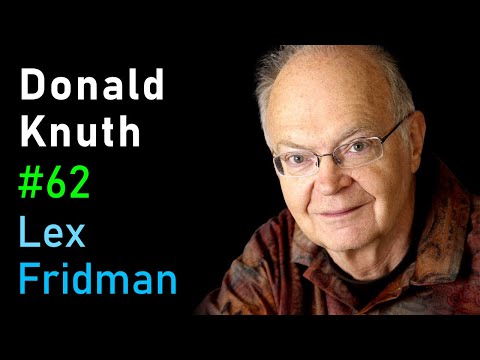 1:45:56ENLex Fridman· 30 dic 2019Pódcast · 2 vocesPoint eight is enough: Donald Knuth on algorithms, TeX, and a life in one chairInvitado: Donald Knuth · Presenta: Lex FridmanLex Fridman visits Donald Knuth at home for a conversation about the IBM 650, geek brains, literate programming, The Art of Computer Programming, TeX, P versus NP, and a happiness budget of 80 percent.
 49:48ENJane Street· 9 dic 2019Michael Sikorski on Reverse Engineering RansomwareMichael Sikorski · FireEyeA malware analyst traces the tools and decisions behind ransomware investigations, from encrypted files to the WannaCry and NotPetya outbreaks.
 1:47:13ENLex Fridman· 7 nov 2019Pódcast · 2 vocesWhen You Hit the Brakes, a Computer Is in the WayInvitado: Bjarne Stroustrup · Presenta: Lex FridmanBjarne Stroustrup on why C++ still sits between the pedal and the pads, and why an abstraction that costs extra has no place in the language.
 47:18ENJane Street· 24 oct 2019Unboxed Types and Memory Layouts for OCamlStephen Dolan · Jane StreetStephen explains a proposed type-system extension for controlling data representation while retaining OCaml’s fast separate compilation.
 1:05:59ENJane Street· 27 sept 2019Derek Dreyer: Proving the Safety of Rust with RustBelt and IrisDerek Dreyer · Max Planck Institute for Software SystemsRust combines safe interfaces with libraries that use unsafe code internally. Derek Dreyer explains how RustBelt verifies those libraries and why its proof needs an expressive logic for concurrency.
 1:33:13ENJane Street· 27 jun 2019Don Jones on PowerShell, Career Growth, and the First FollowerDon Jones · PluralsightPowerShell educator Don Jones reflects on writing small composable tools, building a resilient career, and helping others join a community.
 1:13:06ENLex Fridman· 13 may 2019Pódcast · 2 vocesThe Compiler That Got Apple, Google, and Intel to Share a CodebaseInvitado: Chris Lattner · Presenta: Lex FridmanChris Lattner walks through LLVM, Clang, Swift, TPU numeric formats, and why compiler work is mostly software engineering.
 57:57ENJane Street· 8 may 2019Sebastian Funk on a Fast, Safe and Maintainable Packet ProcessorSebastian Funk · Jane StreetA single-core market-data case study shows how latency targets, allocation control and generated code can coexist with high-level abstractions.
 1:08:44ENJane Street· 8 mar 2019Nathan Linger on Ontology: A Language-Oriented Permissions SystemNathan Linger · Jane StreetHow Jane Street represents permissions as typed declarations and presents them through an English-language interface.
 1:18:13ENJane Street· 11 feb 2019Lindsey Kuper on Abstractions for Correct and Efficient Parallel ComputingLindsey Kuper · University of California, Santa CruzFrom lattice-based shared state to non-invasive parallel languages and neural-network verification, high-level abstractions can make systems both safer and faster.
 1:03:45ENJane Street· 7 dic 2018Jane Street and the OCaml CompilerYaron Minsky · Jane StreetRon Minsky traces an accidental language adoption into a long-term commitment to compiler engineering and a shared open-source ecosystem.
 1:20:09ENLex Fridman· 29 nov 2018Pódcast · 2 vocesStack Overflow Was Never Designed for BeginnersInvitado: Jeff Atwood · Presenta: Lex FridmanOn Stack Overflow’s tenth birthday, Jeff Atwood talks with Lex Fridman about puzzles, leadership, Discourse, and why a software team’s health is how fast it can change one word.
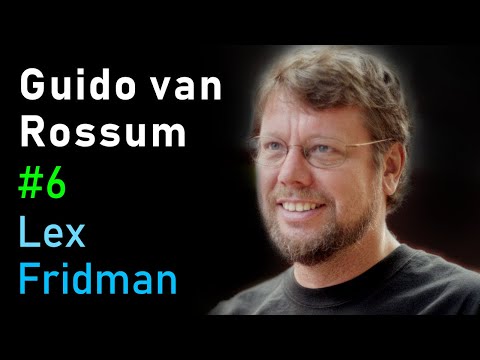 1:26:44ENLex Fridman· 22 nov 2018Pódcast · 2 vocesHe raised Python like a child, then set it freeInvitado: Guido van Rossum · Presenta: Lex FridmanIn a 2018 conversation with Lex Fridman, Guido van Rossum traces Python from electronics kits and Conway's Game of Life to the Thursday morning he resigned as benevolent dictator for life.
 1:06:51ENJane Street· 24 oct 2018Marius Eriksen: Reflow for Incremental Cloud Data ProcessingMarius Eriksen · GRAILA functional language and runtime turn data workflows into typed programs, reuse prior results and provision cloud resources on demand.
 1:14:23ENJane Street· 24 ago 2018Cristina Rosu: Building Dynamic OCaml Web Apps with Incr_domCristina Rosu · Jane StreetA practical introduction to the Elm architecture, virtual DOM and incremental computation, followed by a live counter-app demonstration.
 1:02:34ENJane Street· 10 may 2018Andy Ray on Designing and Running OCaml on FPGAsAndy Ray · Jane StreetHardCaml turns OCaml into a hardware design language. Andy Ray explains FPGA fundamentals, simulation and verification, then demonstrates an OCaml software stack running on a soft CPU.
 1:14:37ENJane Street· 5 abr 2018Adding an Effect System to OCamlLeo White · Jane StreetA prototype brings algebraic effects into OCaml’s type system and explores how to track exceptions, I/O and locally mutable state.
Cargar másMostrando 24 de 195