








Resultados
18 artículosOrdenar
 27:05EN
 Theo - t3․gg· 30 ago 2026OpenAI and Cursor’s Split: What Changes for DevelopersTheo Browne · Ping LabsTheo explains the proposed end of direct OpenAI model access in Cursor, the dispute over usage figures, and alternatives for developers.
 43:14ENTheo - t3․gg· 27 ago 2026Why Theo Uses GLM-5.3-Flash for Coding Agent WorkTheo Browne · Ping LabsThe anonymous Ox Alpha model became GLM-5.3-Flash. Theo tests its pull-request triage, cost, multimodal features and limitations.
 36:35ENTheo - t3․gg· 22 ago 2026Theo’s AI Model Tier List: Capability, Cost and Coding WorkflowsTheo Browne · Ping LabsTheo compares frontier and smaller models using his own development work, benchmark charts and the prices available in August 2026.
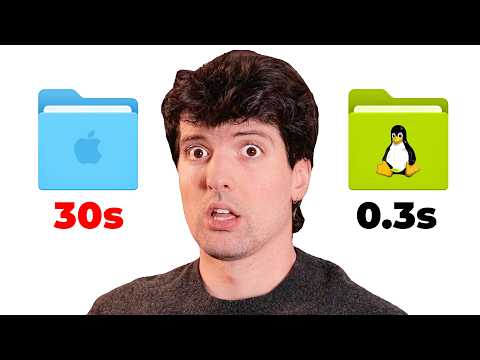 31:48ENTheo - t3․gg· 20 ago 2026Why File Systems Slow Down Coding Agent WorkflowsTheo Browne · t3.ggTheo Browne compares worktree creation, package installs and storage use across Mac and Linux setups, and explains why he moved his agent workflow to XFS with VDO.
 44:42ENTheo - t3․gg· 7 ago 2026Theo Tests Meta’s Muse Code: Fast, Cheap and UnevenTheo Browne · Ping LabsMuse Spark 1.2 handles rapid analysis and pull-request triage at low cost, but Theo’s experiments expose integration failures, hallucinations and rate limits.
 44:29ENTheo - t3․gg· 25 jul 2026Theo’s Opus 5 Review: Coding Style, Cost and Model TradeoffsTheo Browne · Ping LabsAfter a day of coding with Opus 5, Theo compares it with Fable and GPT-5.6 Sol across plans, benchmarks, costs and real work.
 57:39ENTheo - t3․gg· 18 jul 2026Fable 5 vs GPT-5.6 Sol: Theo on Cost, Coding and Model JudgmentTheo Browne · Ping LabsTheo compares two coding models through benchmarks, design work and long-running tasks, explaining why his favorite model is not always the one he uses first.
 41:35ENTheo - t3․gg· 17 jul 2026Kimi K3 in Practice: Coding, Visual Work, Cost and LimitationsTheo Browne · Ping LabsTheo tests Moonshot’s planned open-weight model on long coding tasks, UI design and a 3D game, while examining benchmarks and security concerns.
 28:37ENTheo - t3․gg· 1 jul 2026Theo Tests Sonnet 5 and Explains Fable’s ReturnTheoTheo compares model benchmarks and his own coding tests, finding promise in Sonnet’s subagent orchestration but questioning its task costs.
 31:30ENTheo - t3․gg· 30 jun 2026Why Some AI Models Use Fewer Tokens to Solve a TaskTheoTheo explains input, output, caching and reasoning tokens, then explores a hypothesis about terse internal reasoning.
 30:08ENTheo - t3․gg· 27 jun 2026GPT-5.6’s Limited Preview: Benchmarks, Agent Risks and AccessTheoTheo reviews the launch-era announcement, published evaluations and reported agent incidents, while questioning the balance between safety and broad access.
 44:34ENTheo - t3․gg· 22 jun 2026Theo’s Six Ideas for Better Developer Tools and PlatformsTheoFrom safer package distribution to an open mobile platform and unusual AI benchmarks, Theo shares projects he hopes others will build.
 0:37ENTheo - t3․gg· 16 jun 2026Theo Criticizes Fable 5 Access and Benchmark RestrictionsTheoTheo points to restricted access, fallback models and refusals in one coding benchmark as reasons for concern about Anthropic's Fable release.
 29:32ENTheo - t3․gg· 15 jun 2026Theo on Fable’s Safeguards, Data Retention, and TransparencyTheoTheo examines fallback behavior and an initially undisclosed safeguard, then corrects himself after finding an update and changelog.
 2:30ENTheo - t3․gg· 12 jun 2026Theo’s First Look at Fable 5 and Its BenchmarksTheoTheo discusses the relationship between Fable and Mythos, benchmark refusals and early coding results.
 32:53ENTheo - t3․gg· 11 jun 2026Theo’s Fable 5 Review: Benchmarks, Real Projects, and LimitsTheoTheo tests a newly released model on coding and creative work, highlighting impressive results alongside failures, safeguards and cost.
 32:30ENTheo - t3․gg· 31 may 2026Theo Reviews DeepSWE and the Limits of Coding BenchmarksTheoAn investor in DataCurve examines its coding benchmark, the results shown in the video and their limitations.
 28:02ENTheo - t3․gg· 29 may 2026Theo Tests Claude Opus 4.8 and Claude Code WorkflowsTheoA hands-on look at model behavior, early benchmarks, usage estimates and parallel agent workflows.