









Results
165 articlesSort
 20:36EN
 Lex FridmanPodcastWhy Simple Theories Win: Marcus Hutter on Occam's Razor, Compression and Kolmogorov ComplexityHost Lex FridmanDeepMind researcher Marcus Hutter explains Solomonoff induction, why compression equals understanding, and how a simple universe can still look rich.
 2:18:07EN
 Cognitive Revolution "How AI Changes Everything"PodcastGambling on Trump for the AI Era: Nathan Labenz and Samuel Hammond Argue the StakesHost Nathan LabenzA long, good-natured debate over whether Trump's high-variance, ideas-driven coalition or a stable incrementalist Democratic establishment is the better bet for governing AI, China policy and a possible intelligence explosion.
 1:19:50EN
 Lenny's PodcastPodcastIt's 1997 for AI: Benedict Evans on Why It's a Huge Deal, but Only as Big as the InternetHost Lenny RachitskyAnalyst Benedict Evans explains why he thinks AI is as big as the internet or mobile and no bigger, and what that means for jobs, model companies, distribution and the backlash.
 52:28ENLex FridmanPodcast · 2 speakersRay Kurzweil on Hierarchies, the Neocortex and Merging with AIGuest Ray Kurzweil · Host Lex FridmanIn an MIT AGI course lecture, Kurzweil connects the history of neural networks to his hierarchical theory of the neocortex, language understanding at Google, longevity, jobs and existential risk.
 2:03:00ENCognitive Revolution "How AI Changes Everything"PodcastBan Superintelligence or Build the Rules as We Go? Max Tegmark and Dean Ball Clash Over a Precautionary AI RegimeHost Nathan LabenzIn a Doom Debates crossover, the Future of Life Institute's Max Tegmark and former White House adviser Dean Ball argue over whether superintelligence should be prohibited until it is provably controllable.
 1:00:15ENLex FridmanPodcast · 2 speakersCircuit Search, Hindsight and Self-Play: Ilya Sutskever's Case for Where Learning Is GoingGuest Ilya Sutskever · Host Lex FridmanIn an MIT AGI lecture, OpenAI's co-founder explains why deep learning works, then walks through meta-learning, hindsight experience replay, sim-to-real transfer, self-play and learning goals from human feedback.
 10:17ENLex FridmanPodcastNeither Saints Nor Sinners: Ben Goertzel on the Selfish and Altruistic Human MixHost Lex FridmanAI researcher Ben Goertzel explains why humans are a blend of selfishness and altruism, and how much culture can shift that balance.
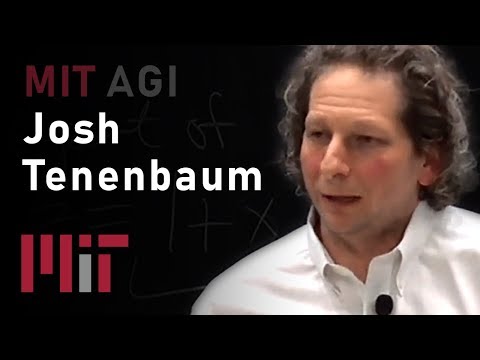 1:35:09ENLex FridmanPodcast · 2 speakersReverse-Engineering the Child: Josh Tenenbaum's Case for Human-Like AIGuest MIT AGI · Host Lex FridmanMIT cognitive scientist Josh Tenenbaum argues that real machine intelligence needs models of the world, built by studying how babies think and learn, not just better pattern recognition.
 26:51ENLex FridmanPodcastA Walking Skeleton in a Beautiful Face: Ben Goertzel on What Sophia Really IsHost Lex FridmanThe former Hanson Robotics chief scientist explains how Sophia works, why she is not AGI, and why he thinks the illusion can still be put to good use.
 11:23ENLex FridmanPodcast · 2 speakersScience Is a Self-Improving System That Isn't Exploding: Chollet on the Limits of an Intelligence ExplosionGuest François Chollet · Host Lex FridmanFrançois Chollet uses the history of science to argue that recursive self-improvement meets exponential friction and yields linear, not explosive, progress.
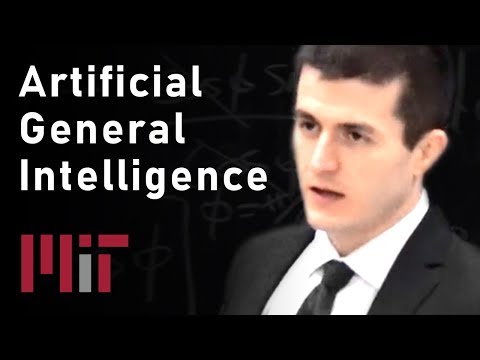 51:18ENLex FridmanPodcast · 2 speakersEngineering Intelligence: Lex Fridman's Opening Lecture for MIT's AGI CourseGuest MIT AGI · Host Lex FridmanLex Fridman lays out an engineering-first approach to artificial general intelligence, previews the course's projects and guest speakers, and frames deep learning's limits.