





Ergebnisse
125 ArtikelSortieren
 34:35EN
 SemiAnalysis· 23. Okt. 2026Podcast · 3 StimmenSemiAnalysis on ASML's Hybrid-Bonding Patents, HBM Economics and the Next Tool EcosystemGast: Sherry Zhang, Howie · Moderation: Jordan NanosJordan Nanos, Sherry Zhang and Howie examine a track-based bonding design that brings the wafer to the die, then explain why adoption depends on precision, cleanliness, economics and a changing supply chain.
 1:09:00EN
 Dwarkesh Patel· 22. Okt. 2026Podcast · 9 StimmenDwarkesh Patel: What will computer chips look like in 2045?Gast: Chris Auth, Kevin Fischer, Jack Kavalieros, Tyler Osborn, Pushkar Ranade, Gary Dickerson, Peter Wennink, Elon Musk · Moderation: Dwarkesh PatelAfter two days inside Intel’s most advanced fab, Dwarkesh Patel walks through gate-all-around, backside power, High-NA EUV, ruthenium, CFET, and hybrid bonding — and asks Intel’s leadership how the industry can possibly meet AI’s 3×-a-year compute demand when the world’s chipmaking tools cannot.
 57:47EN
 The Builders· 22. Okt. 2026Peter Thiel on AI Acceleration, Global Power, and the Values of Its BuildersGast: Peter Thiel · Moderation: Walter IsaacsonWalter Isaacson challenges Peter Thiel on AI risk, concentrated power, and the moral responsibilities of visionary founders. Thiel argues that stopping progress carries dangers of its own.
 31:00EN
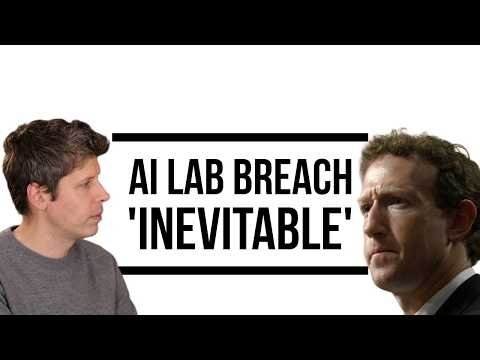
 AI Explained· 12. Okt. 2026Why AI Labs Keep Racing Despite Their Own Warnings of a Major BreachSam Altman, John Schulman · OpenAIAI Explained examines weakening safeguards, the incentives behind the frontier race, and why research breakthroughs make the next 18 months difficult to forecast.
 2:09:42EN
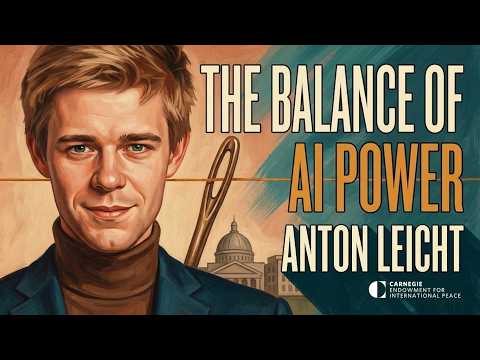
 Cognitive Revolution "How AI Changes Everything"· 15. Sept. 2026PodcastA Frontier Pause Would Help. America Will Not Sign One That Only Pauses the FrontierModeration: Nathan LabenzCarnegie fellow Anton Leicht tells Nathan Labenz why a six-month slowdown is technically overdue, why US-China incentives block it, and how Europe can still trade compute and ASML for a seat at the table.
 3:15:53ENCognitive Revolution "How AI Changes Everything"· 10. Sept. 2026PodcastThe Goal Is Pax Robotica, Not Winning the AI RaceModeration: Nathan LabenzAfter two weeks in China, Nathan Labenz argues the United States should trade chips for robots, keep a shared AI paradigm, and aim for mutual abundance instead of another sword of Damocles.
 37:07EN
 No Priors: AI, Machine Learning, Tech, & Startups· 3. Sept. 2026Podcast · 2 StimmenArm’s 98.5% margin business just started shipping chipsModeration: Sarah Guo, Elad GilCEO Rene Haas tells No Priors why the IP company built a physical CPU for Meta, and why CPUs still sit at the center of AI systems.
 1:09:26EN
 20VC with Harry Stebbings· 3. Aug. 2026Podcast · 2 StimmenAnastasios Angelopoulos on Arena, Open Models and AI EvaluationGast: Anastasios Angelopoulos · Moderation: Harry StebbingsArena’s CEO discusses real-world model comparisons, enterprise AI control, security and the economics of evaluation.
 2:23:43ENCognitive Revolution "How AI Changes Everything"· 27. Juli 2026PodcastHe Bought an Android, Two SIMs, and Left Claude Watching His InboxModeration: Nathan LabenzNathan Labenz asked a dozen friends how to visit China and got two irreconcilable answers.
 3:51:47EN
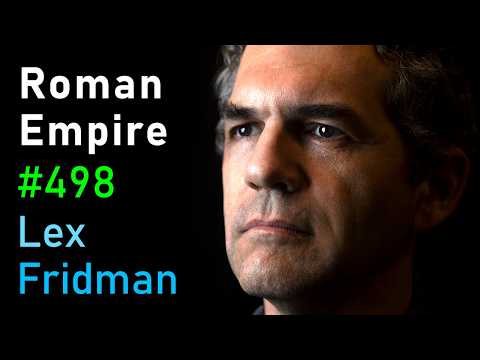
 Lex Fridman· 30. Juni 2026Podcast · 2 StimmenForty-Six Percent of Emperors Were Overthrown. The Empire Lasted AnywayGast: Anthony Kaldellis · Moderation: Lex FridmanHistorian Anthony Kaldellis walks Lex Fridman through 2,200 years of Roman history and argues that what we call Byzantium was Rome itself.
 1:07:45EN20VC with Harry Stebbings· 26. Mai 2026Podcast · 2 StimmenAndrew Feldman on AI Chips, Data Centers and Compute DemandGast: Andrew Feldman · Moderation: Harry StebbingsCerebras’s CEO discusses memory supply, inference speed, community impacts and US chip policy.
 38:01ENNo Priors: AI, Machine Learning, Tech, & Startups· 14. Mai 2026Podcast · 2 StimmenThe Philippines Gifted America 4,000 Acres. Pax Silica Wants to Make the AI Supply Chain a BusinessModeration: Sarah Guo, Elad GilUS Under Secretary Jacob Helberg on a 14-country coalition, a diplomatic industrial zone in the Philippines, and why Washington is putting companies—not ministries—in the driver's seat.
 57:04EN20VC with Harry Stebbings· 23. März 2026Podcast · 2 StimmenMatthew Steckman on Anduril’s Defense Business, Procurement and Product BetsGast: Matthew Steckman · Moderation: Harry StebbingsAnduril’s president explains a $20 billion procurement ceiling, the company’s approach to building military products and his view of the responsibilities of defense suppliers. His forecasts and company claims reflect his position as an interested executive.
 1:34:42ENCognitive Revolution "How AI Changes Everything"· 13. Feb. 2026PodcastA $500 Kernel, a Ten-Month Village, and the Temper of AgentsModeration: Nathan LabenzJames Zou, Sam Hammond, and Shoshannah Tekofsky on science agents, America's knowledge-work bet, and what models actually do when you leave them alone.
 1:43:19ENCognitive Revolution "How AI Changes Everything"· 19. Dez. 2025PodcastA $100 Million Super PAC Named Him Public Enemy Number One. Donations Went Up.Moderation: Nathan LabenzIn the second half of Cognitive Revolution’s year-end live show, Assemblymember Alex Bores, former White House adviser Dean Ball, and forecaster Peter Wildeford argue over state AI laws, chip sales to China, and what 2026 will actually feel like.
 46:26ZH
 Zhang Xiaojun Podcast· 9. Dez. 2025Podcast · 2 Stimmen朱啸虎:三年内看不到泡沫,共识太集中就错开十五度Gast: 朱啸虎 · Moderation: 张小珺2025 年底,金沙江创投朱啸虎第三次坐到张小珺对面:AGI 不谈了,入口之争开始了。他不投人形机器人,把支票开给洗船和按摩这类「干活」的公司。
 1:09:48EN
 Unsupervised Learning: With Jacob Effron· 5. Dez. 2025PodcastChina's AI Labs Went From 15 to Six. The Compute Gap Is 15-to-1.Moderation: Jacob EffronJordan Schneider tells Unsupervised Learning that Chinese models were a private-capital story, that Beijing still thinks in hardware, and that the West's real edge is chips it can serve — not a state master plan.
 2:36:55ENLex Fridman· 17. Nov. 2025Podcast · 2 StimmenOne Second of Fuel: David Kirtley on Fusion Power by 2028Gast: David Kirtley · Moderation: Lex FridmanThe Helion Energy CEO walks Lex Fridman from 1958 theta pinches to a Microsoft contract that wants first electrons on the grid in 2028.
 2:49:12ENCognitive Revolution "How AI Changes Everything"· 18. Okt. 2025PodcastWhy China's Master Plan for AI Never Mentions AGIModeration: Nathan LabenzBeijing-based Concordia AI CEO Brian Tse on China's safety rules, chip strategy, and why the two ecosystems look more alike than Washington assumes.
 4:25:44ENLex Fridman· 19. Sept. 2025Podcast · 2 StimmenThe Wehrmacht's Secret Ingredient Was MethamphetamineGast: Norman Ohler · Moderation: Lex FridmanHistorian Norman Ohler tells Lex Fridman how Pervitin, Hitler's doctor, and LSD change the story of World War II without turning drugs into a single cause.
 58:25ENNo Priors: AI, Machine Learning, Tech, & Startups· 15. Sept. 2025Podcast · 2 StimmenA construction permit that took four months now takes three minutesModeration: Sarah Guo, Elad GilJared Kushner talks with Sarah Guo and Elad Gil about Affinity Partners, the AI firm BrainCo, and how capital, energy, and Middle East diplomacy now run through AI.
 40:54ENNo Priors: AI, Machine Learning, Tech, & Startups· 28. Aug. 2025Podcast · 2 StimmenSeventeen Years of Flat Power, and a Plan to Bring the Factories HomeModeration: Sarah Guo, Elad GilJacob Helberg, the under secretary of state designate for economic growth, energy, and the environment, argues that nuclear power and AI productivity—not cheap labor—are how America reshore its supply chain.
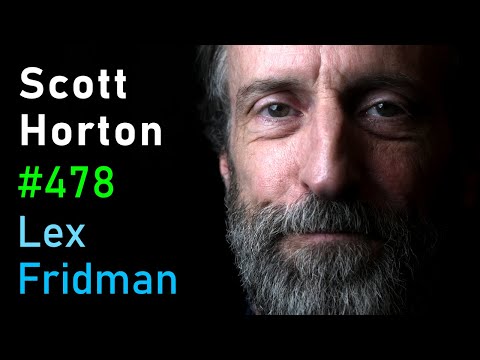 10:26:31ENLex Fridman· 23. Aug. 2025Podcast · 2 StimmenThe War on Terror's Only Gift Was Better Luke Skywalker HandsGast: Scott Horton · Moderation: Lex FridmanScott Horton walks Lex Fridman through fifty years of U.S. wars, from Vietnam Syndrome to Ukraine, and argues the machinery never stops because it is not supposed to.
 2:04:27ENCognitive Revolution "How AI Changes Everything"· 23. Aug. 2025PodcastA 10% Chance of an AI-Enabled Coup in the Next 30 YearsModeration: Nathan LabenzTom Davidson maps three ways superintelligent systems could help a head of state or a lab CEO lock in power—and argues the window for building safeguards is short.
Mehr laden24 von 125 angezeigt